



California Real Estate Probate: Navigating Property Transactions
Selling property through probate in California involves strict court rules, specific timelines, and costs that differ significantly from standard real estate transactions. At Law Offices of Roshni T. Desai, we help estate representatives and heirs understand these requirements so they can move forward with confidence.
This guide covers the probate sale process, common pitfalls, and practical steps to keep your transaction on track.
What Makes Probate Property Sales Different in California
Selling real estate through probate means navigating court oversight at every step. The court must approve your sale before you market the property, during the marketing period, and again before closing. This approval requirement protects heirs and creditors, but it fundamentally changes how transactions work. In a standard sale, you list the property, accept an offer, and close within 30 to 45 days. Probate sales in California operate under Probate Code sections 13050 and 13150-13157, which require you to obtain court authorization before marketing begins. You cannot simply list the property with a real estate agent and hope for the best. Instead, you file a petition with the probate court describing the property, its estimated value, and your proposed sale terms. The court then schedules a hearing, typically 20 to 30 days out, where the judge must approve the sale plan. Only after this approval can marketing begin.
Court Approval Creates Timeline Pressure
The entire probate sale process in Southern California typically takes 6 to 12 months from the time you file for court approval to final closing. A standard real estate sale closes in 30 to 45 days by comparison. The four-month creditor claim window mandates that you cannot close until claims expire, adding another hard deadline. If you need to sell property quickly to cover estate debts or taxes, probate becomes a significant obstacle.
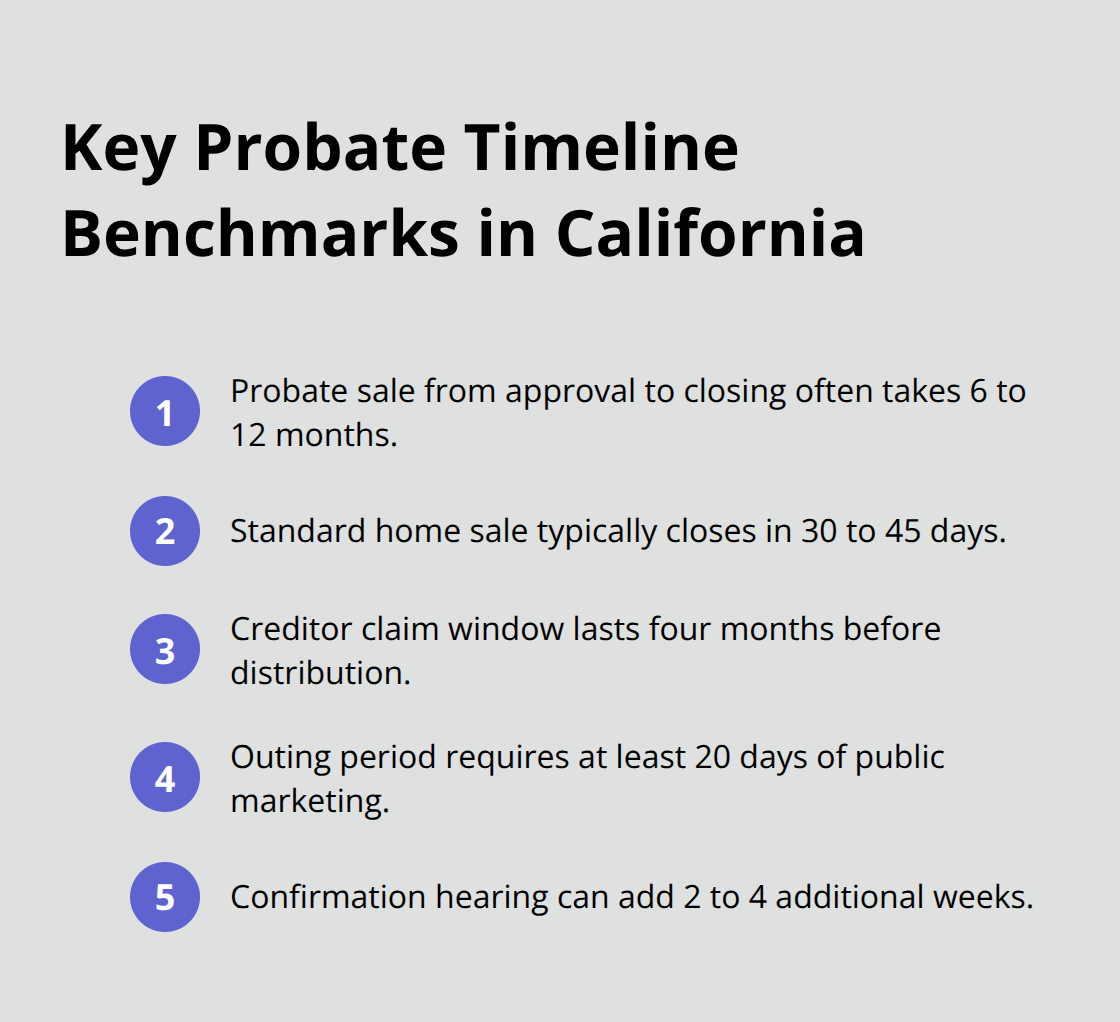
Many estate representatives underestimate this timeline and promise heirs faster distributions than probate allows. The outing period requires you to market the property publicly for at least 20 days. If competing offers arrive, you must attend a confirmation hearing where the court compares bids and approves the highest or best offer. This hearing can occur weeks after the initial sale approval, pushing your closing date further back. Delays mount when court calendars are congested or when creditors file late claims that require resolution before distribution.
Probate Costs Add Significant Expense
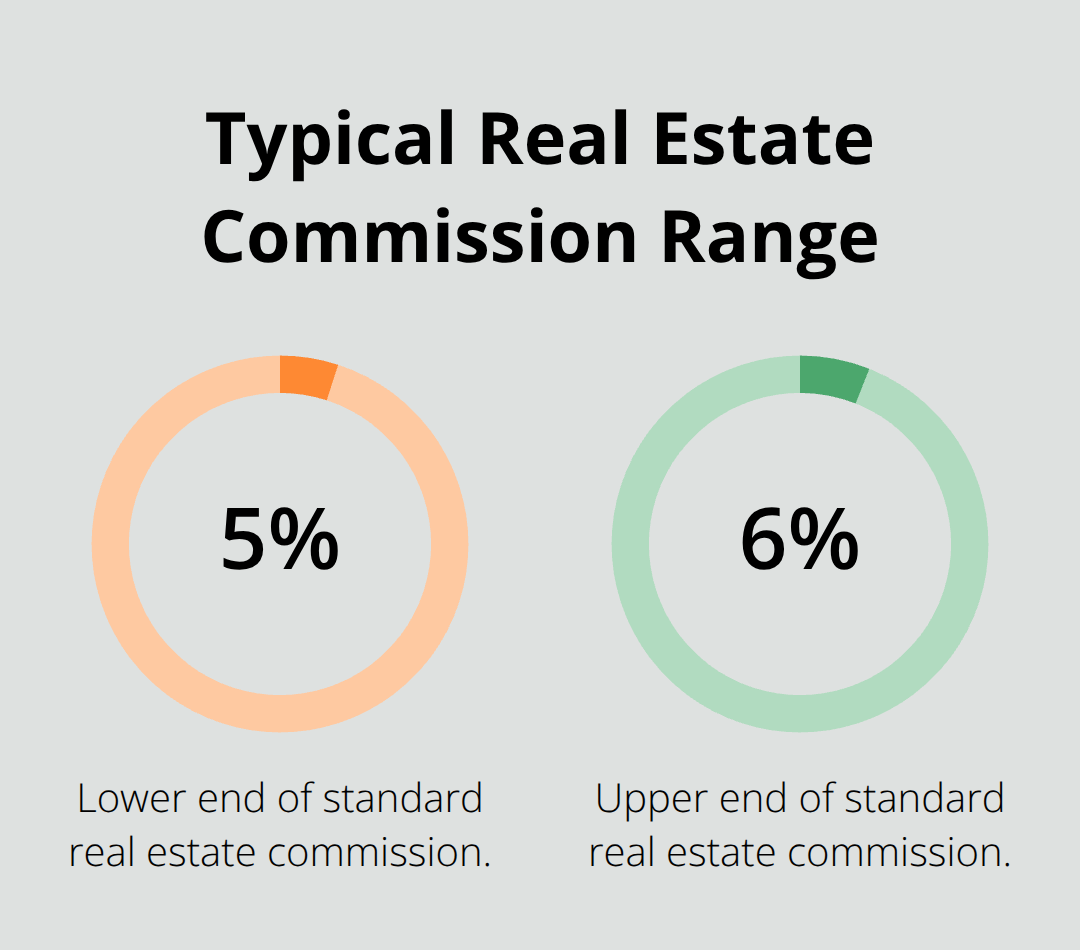
Probate property sales cost substantially more than non-probate sales. Standard real estate commissions apply, typically 5 to 6 percent of the sale price. Probate adds court filing fees, publication costs for required newspaper notices, probate referee fees for property appraisals, and attorney fees that often run $3,000 to $10,000 or more depending on complexity.
If the property requires repairs or improvements to sell at market value, those costs come from the estate as well. For a $500,000 property sale, total probate costs can reach $40,000 to $60,000 when you combine commissions, court costs, and legal fees. Non-probate sales-where property passes through beneficiary designations, joint tenancy, or living trusts-avoid court involvement entirely and cost far less. This cost difference matters enormously to heirs who stand to receive smaller distributions.
How Dual Licensing Reduces Probate Friction
The combination of attorney and real estate licensure streamlines these transactions by handling property sales in-house. This approach reduces communication gaps and redundant fees that typically inflate probate sale costs. When one professional manages both the legal requirements and the real estate transaction, you avoid the delays and miscommunications that occur when separate attorneys and agents work independently. The probate court requires precise deed work and title handling to avoid long-term title defects. An attorney with real estate credentials catches issues early and coordinates directly with the court and title company, protecting beneficiaries from improper sales or liability.
These cost and timeline realities shape how estate representatives decide whether to sell through probate or explore alternatives. Spousal property petitions, small estate procedures, and nonprobate transfers offer faster, cheaper paths for qualifying estates. Understanding which option fits your situation requires examining your assets, debts, and the court’s specific requirements for your county.
How the Probate Sale Process Works in California
Filing Your Petition and Obtaining Initial Court Approval
You must file a petition that describes the property, estimates its market value, and outlines your proposed sale strategy to start a probate property sale. The probate court schedules a hearing typically 20 to 30 days after you file, and the judge must approve your plan before you can list the property publicly. California Probate Code Section 13050 mandates this pre-marketing approval, which differs fundamentally from standard real estate transactions where you list first and negotiate later. Once the court approves your sale plan, you enter the outing period-a mandatory 20-day public marketing window where the property must be actively marketed.
Managing the Outing Period and Competitive Bidding
During the outing period, any interested buyer can submit an offer. If only one offer arrives, the court typically confirms that sale at a second hearing without much scrutiny. However, if competing offers emerge, the probate process shifts into competitive bidding territory, and the court holds a confirmation hearing to compare all offers and approve the highest or best bid. The judge has discretion to reject even the highest offer if it appears undervalued or suspicious. This confirmation hearing adds 2 to 4 weeks to your timeline, pushing closing dates further out.
The court’s role is to protect the estate and heirs from unfair sales, but this protection comes at a cost in time and uncertainty. Many estate representatives struggle with the waiting period because they cannot control when competing bids arrive or how quickly the court schedules confirmation hearings. If your county probate court is backlogged, a confirmation hearing that should occur within 30 days of the outing period may stretch to 45 or 60 days.
Navigating the Confirmation Hearing and Final Closing
After the confirmation hearing concludes and the court approves the sale, you still face a closing process that typically takes 30 to 45 days. The title company must clear any liens or encumbrances, and the court must issue a final order authorizing the deed transfer. Real estate agents and title companies unfamiliar with probate sales sometimes miss these procedural steps, causing delays at closing. The estate must remain solvent throughout this process, meaning you cannot distribute assets to heirs until after closing and all creditor claims have been resolved.
If the property sale is critical to paying estate debts or taxes, delays in the confirmation hearing or closing directly impact when heirs receive their distributions. The cost of this extended timeline includes carrying costs like property taxes and insurance, which accumulate month after month. For properties in desirable markets where multiple offers are likely, the competitive bidding process can work in your favor by driving the sale price higher. However, in slower markets where single offers are typical, the mandatory outing period simply delays an inevitable sale without generating competing bids.
Timing Your Sale Strategy Based on Market Conditions
Understanding your local real estate market and county court speed helps you anticipate whether the probate sale process will genuinely benefit the estate through competitive bidding or simply add months of waiting without upside. Ms. Desai’s dual licensure as an attorney and real estate professional allows her to assess both the legal requirements and the market dynamics of your specific property, helping you make informed decisions about timing and strategy. This combination of credentials streamlines the entire transaction by coordinating directly with the court and title company, reducing the communication gaps and delays that typically occur when separate attorneys and agents work independently.
Costly Mistakes That Derail Probate Property Sales
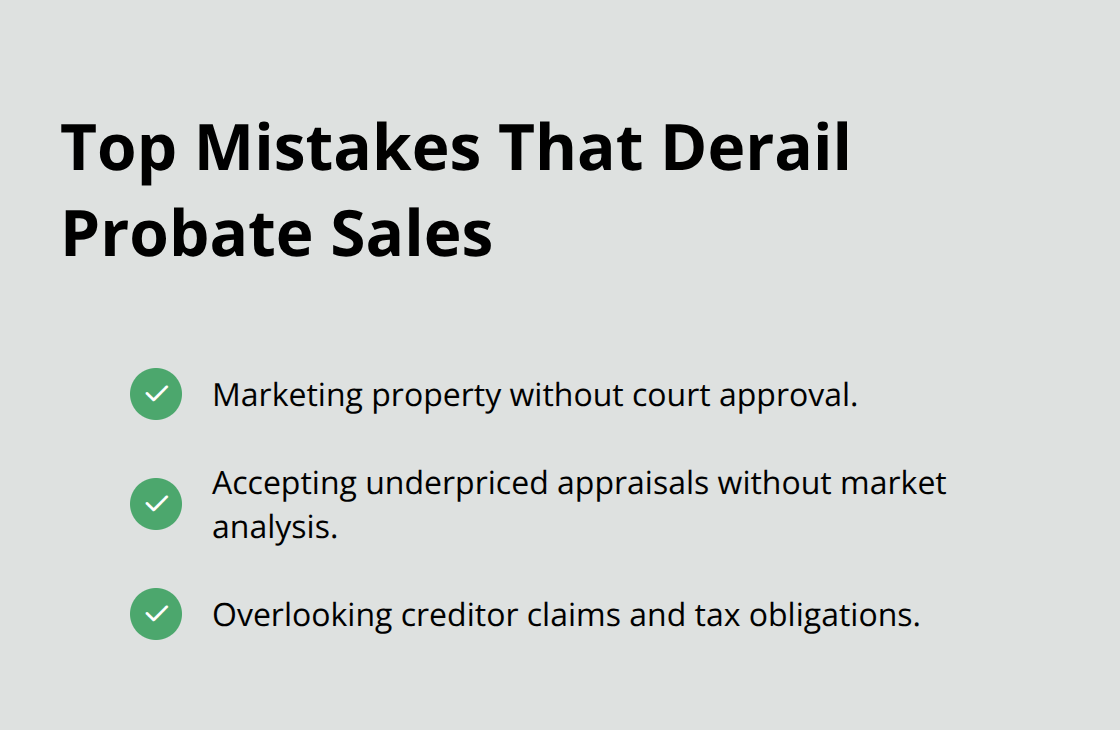
Estate representatives frequently make three critical errors that inflate costs, trigger legal liability, and extend timelines by months.
Marketing Property Without Court Approval
The first mistake is marketing property before you secure court approval. California Probate Code Section 13050 explicitly requires you to obtain a court order authorizing the sale before any marketing activity begins. Some estate representatives or real estate agents skip this step, believing they can list the property and seek approval later. This approach violates probate law and can result in the sale being voided, forcing you to start over and potentially exposing the personal representative to surcharge liability.
The court will not ratify an unauthorized sale, regardless of how favorable the terms appear.
You must file your petition, attend the hearing, and receive written court approval before you place a single sign on the property or publish any marketing materials. Skipping this step creates legal exposure that extends far beyond the initial sale. Once a court voids a sale, you lose time, credibility with potential buyers, and money spent on the failed transaction.
Accepting Underpriced Appraisals Without Market Analysis
The second mistake is underpricing based on insufficient market analysis. Many estate representatives accept the first appraisal they receive without questioning whether it reflects current market conditions. A probate referee’s appraisal, while legally required, may not capture recent comparable sales or market shifts in your specific neighborhood. If you list at or below the appraised value without competitive market research, you leave money on the table that should go to heirs.
The mandatory outing period exists precisely to invite competitive bidding, but only if the initial listing price attracts serious interest. Underpricing kills that opportunity. An attorney with real estate credentials can challenge low appraisals and price properties competitively, helping the estate receive fair market value rather than settling for the first figure presented.
Overlooking Creditor Claims and Tax Obligations
The third mistake is ignoring creditor claims and tax obligations during the sale process. Estate representatives sometimes assume they can close the sale and distribute proceeds to heirs immediately, only to discover unpaid medical bills, credit card debt, or property tax liens that take priority. California law requires you to publish notice to creditors and wait the full four-month creditor claim period before you distribute assets, even if the property sale closes early.
Failure to honor creditor claims can make the personal representative personally liable for unpaid debts. Additionally, the final income tax return must be filed with the IRS before closing, and any estate taxes must be calculated and reserved. If the estate owes federal or state taxes and you close the sale without setting aside funds, you create a tax liability that may exceed available liquid assets. This forces the heirs to wait longer or negotiate payment plans while the estate remains open.
Coordination with your CPA ensures all tax obligations are identified before closing and that sufficient funds are reserved. Proactive communication with the court, creditors, and the title company prevents these errors from derailing your sale and protects both the estate and the personal representative from costly mistakes.
Final Thoughts
Probate property sales in California demand careful attention to court rules, timelines, and financial obligations. The mistakes outlined above-marketing without approval, accepting underpriced appraisals, and overlooking creditor claims-derail transactions and expose personal representatives to personal liability. Avoiding these pitfalls requires understanding that California real estate probate operates under strict procedural requirements that differ fundamentally from standard sales.
The key to smooth transactions is proactive planning and coordination before you file your petition. Gather complete information about the property, estate debts, and tax obligations, then work with professionals who understand both the legal framework and the real estate market in your county. The mandatory outing period, confirmation hearing, and creditor claim window protect heirs and creditors alike, so respecting these timelines prevents costly delays and legal exposure.
Professional guidance streamlines the entire process by handling multiple moving parts simultaneously. We at Law Offices of Roshni T. Desai offer free consultations with flexible scheduling to help you understand your options and move forward with confidence in your California real estate probate transaction. Contact us today to discuss your probate property sale and learn how professional coordination can protect your interests.