



Pet Trust Administration Tips: Protecting Pets Through a Trust
Your pets depend on you for everything-including their future. Most pet owners never plan for what happens to their beloved companions if something unexpected occurs.
We at Law Offices of Roshni T. Desai help families create pet trust administration strategies that guarantee their pets receive proper care and financial support. This guide walks you through the essential steps to protect your pet’s wellbeing through a legally binding trust.
What a Pet Trust Actually Does
A pet trust is a legal arrangement that sets aside money and appoints someone to care for your pet if you die or become incapacitated. Unlike a simple will provision that says your pet goes to a friend, a pet trust creates enforceable obligations backed by funding. The trustee manages the money, the caregiver provides daily care, and the arrangement survives probate delays that could leave your pet in limbo for months. About 67% of U.S. households own pets according to the American Pet Products Association, yet fewer than 5% of pet owners have any formal plan for their care. This gap matters because pets are legally treated as personal property, meaning without explicit instructions in a trust, there’s no legal mechanism forcing anyone to use your estate funds for their care. A pet trust changes that dynamic entirely.
Why a will simply isn’t enough
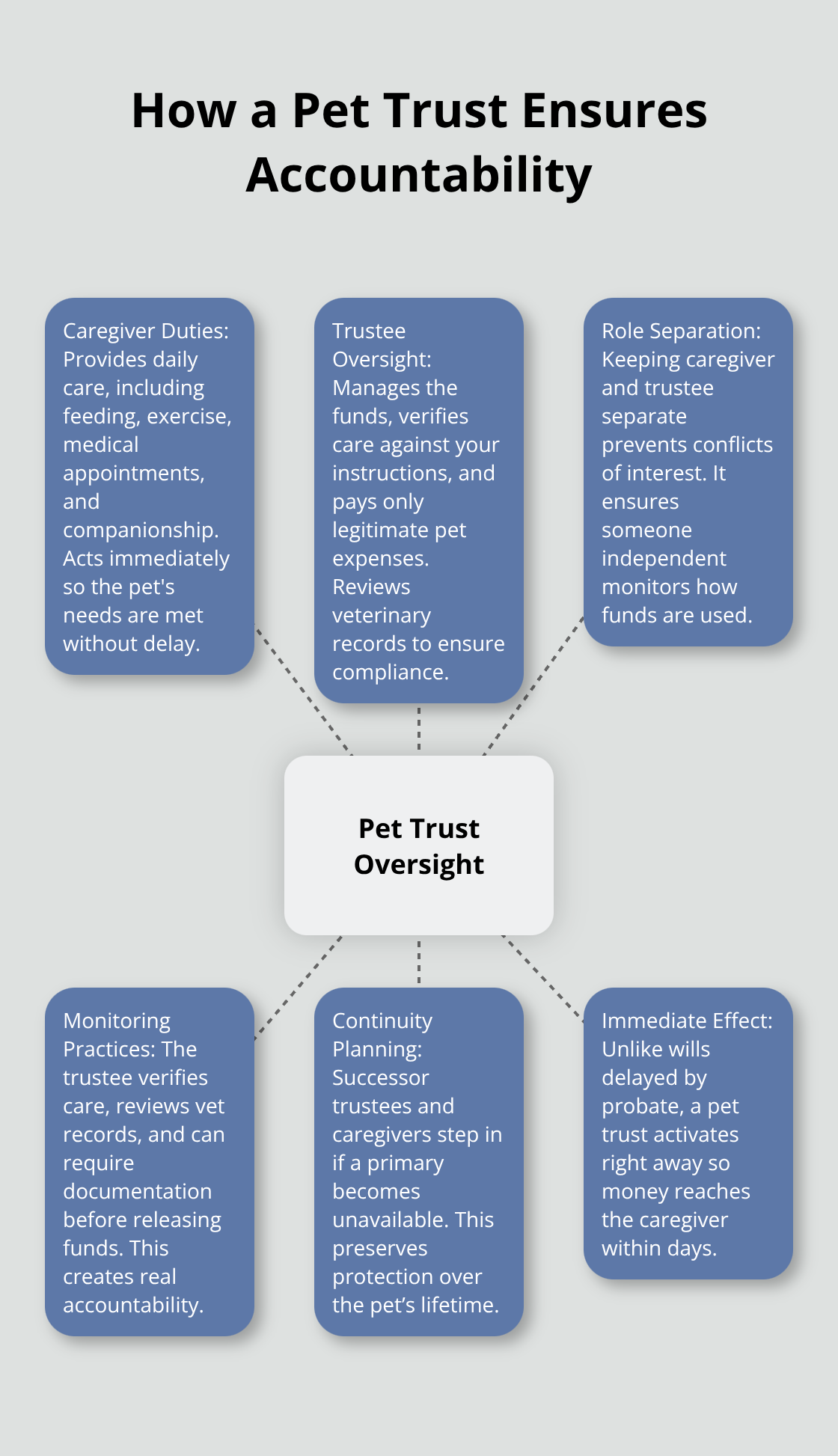
Putting a pet provision in your will creates serious timing problems. Wills go through probate, which takes anywhere from 3 to 12 months depending on your state and the complexity of your estate. Your pet cannot wait that long. A friend may agree to take them temporarily, but without access to funds, they will cover costs out of pocket or the pet ends up in a shelter. A pet trust takes effect immediately upon your death or disability, funding care right away. The caregiver receives money within days, not months. Additionally, a will provision lacks teeth-there is no mechanism to monitor whether the person actually follows your wishes or handles the money responsibly. A pet trust includes a trustee whose job is to verify care, review veterinary records, and make payments only for legitimate pet expenses.
The cost reality and funding approach
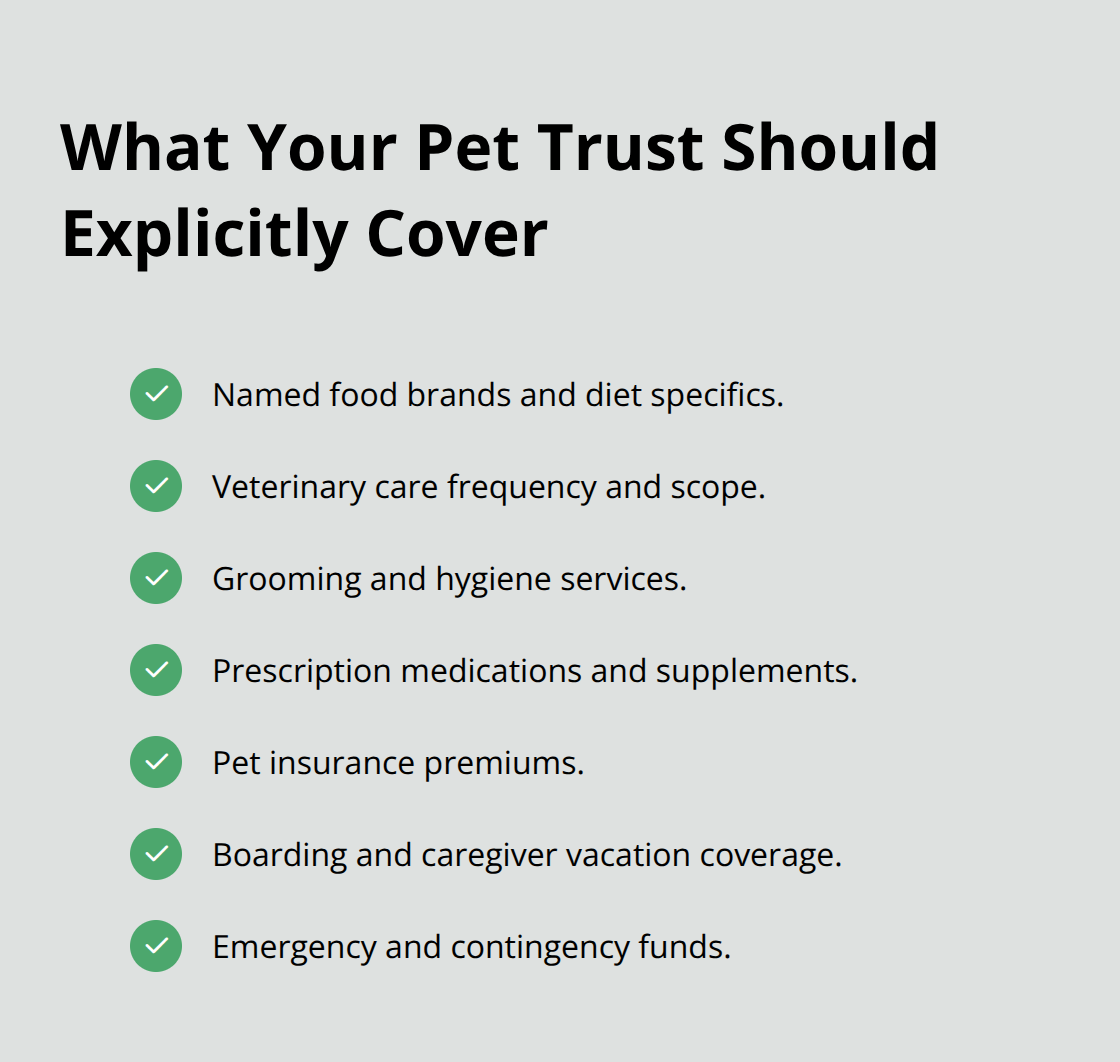
Pet care costs vary dramatically based on the animal’s age, health, and lifespan. A healthy young dog might need $2,000 to $3,000 annually for food, routine vet visits, and preventive care. An elderly cat with diabetes or a large breed prone to health issues could easily exceed $5,000 per year. You should calculate your pet’s expected lifespan and add 20% for inflation and unexpected medical expenses. For a 10-year-old dog with a 7-year life expectancy, setting aside $15,000 to $20,000 is reasonable. For a young pet with 15+ years ahead, $30,000 or more may be appropriate. The trust document should specify exactly what the money covers-food brands, veterinary care frequency, grooming, medications, pet insurance, boarding, and emergency funds. Vague language leads to disputes and potential court challenges. Families often fight over whether trust funds should cover a pet’s relocation or special dietary supplements, so precise spending instructions prevent conflict and protect your pet’s care.
Structuring the trustee and caregiver roles
The trustee and caregiver serve different functions, and naming the right people matters significantly. The caregiver provides hands-on daily care-feeding, exercise, medical appointments, and companionship. The trustee manages finances and verifies that the caregiver actually follows your instructions. These roles should not go to the same person, as this creates a conflict of interest and removes oversight. The trustee should review veterinary records regularly, conduct occasional home visits, and ensure funds go only toward legitimate pet expenses. You must also name successor trustees and caregivers in case your first choices become unavailable or unable to serve. Without backups, your pet trust loses its protection if the primary caregiver dies or moves away.
Documenting care instructions and medical history
Your pet trust document should include detailed care instructions that guide the caregiver through daily routines and medical protocols. Specify preferred food brands, feeding schedules, exercise requirements, grooming needs, and behavioral quirks that affect care. Include your pet’s complete medical history, current medications, vaccination records, and the name and contact information for your veterinarian. A wallet card with essential pet information and emergency contacts helps third parties respond quickly during a crisis. The more specific your instructions, the less room exists for misinterpretation or disputes about how funds should be spent. This documentation also protects the caregiver by making clear what you expect and what resources the trust provides to meet those expectations. With these foundational elements in place, you can move forward to the specific steps required to set up a pet trust that actually works.
How to Set Up Your Pet Trust the Right Way
Separate the trustee and caregiver roles
Choosing the right trustee and caregiver makes or breaks a pet trust. These are two separate roles, and combining them creates a dangerous blind spot in your plan. The caregiver handles the daily work-feeding, exercise, vet appointments, medication administration. The trustee watches the money and verifies the caregiver actually follows your instructions. If you name the same person to both roles, you remove all oversight. No one checks whether funds go toward your pet’s care or toward something else entirely.
The trustee should review veterinary records at least quarterly, conduct occasional home visits, and maintain a paper trail of all payments. This person needs to be detail-oriented and willing to ask tough questions. They also need to live close enough to make visits feasible or have the ability to hire a professional pet sitter for spot checks.
Name successor trustees and caregivers in writing-without backups, your pet trust collapses if your first choice dies, moves away, or becomes unable to serve. Many people assume a family member will step in, but assumptions create chaos. Write it down.
Select a caregiver your pet already knows
For the caregiver role specifically, choose someone your pet already knows and trusts. A veterinarian is not a suitable primary caregiver because they lack time for daily companionship, though they can serve as a resource for the trustee. Consider whether your chosen caregiver has the physical capacity to handle your pet-a frail elderly person may struggle with a large dog’s exercise needs.
Ask potential caregivers directly if they accept the responsibility before naming them, and get their agreement in writing. This conversation prevents surprises and confirms they understand what the role demands.
Calculate realistic funding amounts
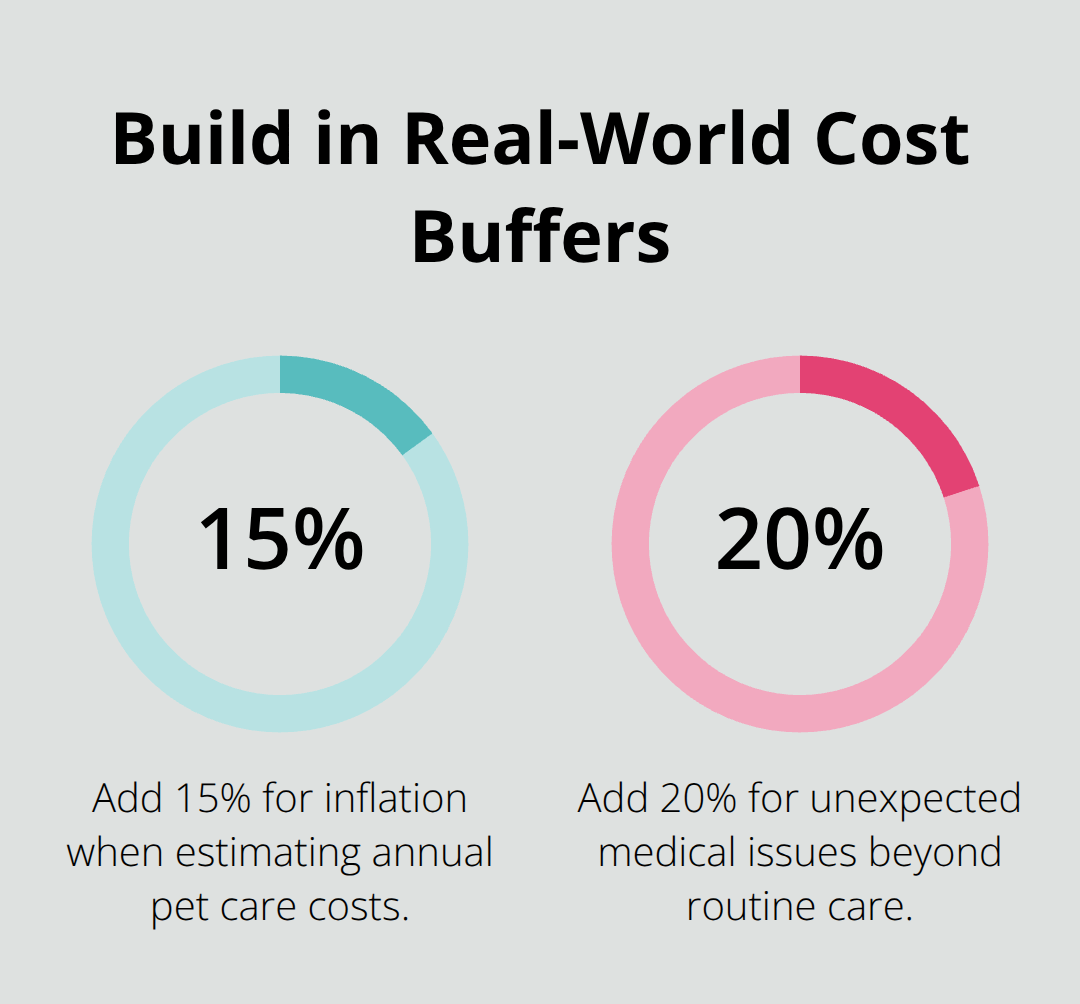
Funding decisions require honest math about your pet’s actual costs, not wishes about what you hope to spend. Calculate annual expenses by reviewing your veterinary bills from the past two years. Add 15% for inflation and another 20% for unexpected medical issues.
If your pet is currently healthy but aging, factor in the likelihood of increased vet visits and medication costs in later years.
A 2023 survey by the American Animal Hospital Association found that owners spent an average of $1,500 to $2,500 annually on routine care for dogs and cats, but this number excludes chronic illness management. Pets with diabetes, kidney disease, or arthritis easily exceed $5,000 per year. Set the funding amount in your trust document with crystal clarity about what it covers. Specify whether it includes pet insurance premiums, boarding costs during your caregiver’s vacations, grooming, specialty food, and emergency reserves.
Many disputes arise because language like “funds for the pet’s care” is too vague. The trustee and potential heirs may argue about whether trust money should cover a new orthopedic bed, a prescription diet, or professional training. Write it down in detail. Include a clause allowing the trustee to adjust spending if veterinary costs rise unexpectedly, but require the trustee to document the reason for any adjustment.
Document medical history and care preferences
The documentation of your pet’s medical history and care preferences should live in a separate binder or digital folder that you update annually. Include vaccination records, microchip numbers, current medications with dosages and administration instructions, dietary restrictions, and the names and phone numbers of your veterinarian and emergency vet clinic. Add behavioral notes-whether your pet is fearful of loud noises, aggressive with other animals, or has separation anxiety.
These details matter because they affect how the caregiver handles the pet and how much the caregiver needs to spend on specialized care or training. A pet with severe anxiety might need a behaviorist or medication adjustments that wouldn’t appear in basic vet records. Create a wallet card with your pet’s photo, microchip number, your trustee’s contact information, and your veterinarian’s emergency line. This card goes in your wallet and your pet’s collar or carrier. In a crisis-if you’re in an accident and hospitalized, or if your pet is found-anyone who finds your pet or accesses your wallet can immediately contact the trustee and your vet.
Share your plan before finalizing the trust
Share your care instructions and medical binder with your trustee, your chosen caregiver, and your attorney before you finalize the trust. Ask them to read it and ask questions. If your caregiver says your pet’s exercise requirements are unrealistic or your funding estimate seems low, listen. These conversations reveal gaps in your plan while you can still fix them. Once you have finalized these core elements, you move into the territory where most pet owners stumble-the mistakes that undermine even well-intentioned plans.
Pet Trust Mistakes That Sabotage Your Plan
The difference between a pet trust that actually works and one that fails often comes down to three critical oversights. Most pet owners make at least one of these mistakes, and many make all three.
Naming only one caregiver leaves your pet vulnerable
The first and most dangerous mistake is naming a single caregiver with no backup plan. Life happens unpredictably. Your chosen caregiver could move across the country, develop a serious illness, or pass away before your pet does. If you have not named a successor caregiver in writing, your pet trust becomes worthless the moment your primary choice cannot serve.
Courts will not automatically assign a new caregiver, and your pet could end up in a shelter while your family argues about who should take over. Write down the names of at least two successor caregivers who have actually agreed to the responsibility, and include their contact information in your trust document. This simple step prevents your entire plan from collapsing due to circumstances beyond anyone’s control.
Underfunding creates impossible choices for your caregiver
The second mistake is underfunding the trust, which happens when owners guess at costs instead of calculating them based on actual veterinary bills. A pet owner might think $5,000 is enough for a dog’s lifetime care, but that figure often covers only two years of realistic expenses. When the money runs out, the caregiver must choose between continuing care from their own pocket or reducing the pet’s standard of living.
Calculate your pet’s annual costs by reviewing actual veterinary invoices from the past two years, then multiply that figure by your pet’s remaining life expectancy and add 25 percent for inflation and unexpected medical crises. A 2023 survey by the American Animal Hospital Association found that pet owners spent an average of $1,500 to $2,500 annually on routine care, but chronic illness management pushed costs far higher for many households. Do not guess at these numbers-accurate calculations protect both your pet and your caregiver.
Keeping your plan secret defeats its entire purpose
The third mistake is keeping your plan secret. You create a detailed trust, fund it properly, name a caregiver and trustee, and then tell no one. Your family does not know where the trust document lives. Your chosen caregiver has never actually agreed to the role. Your trustee has no idea they are supposed to monitor anything. When you die, weeks pass before anyone even finds the trust, and your pet has already been surrendered to a shelter or rehomed by a well-meaning relative.
Share your completed trust document, your pet’s medical binder, and your funding plan with your trustee, your caregiver, and your attorney before you sign anything. Ask them directly whether they accept the responsibility and whether your plan is realistic. These conversations take an hour and prevent months of chaos later. Schedule these discussions well before you finalize the trust, giving everyone time to ask questions and voice concerns while you can still revise the plan.
Final Thoughts
A pet trust transforms vague hopes into legal certainty. Without one, your pet faces months of uncertainty during probate while your family argues about care and costs. With a properly structured trust, your pet receives immediate financial support, a named caregiver you have already vetted, and a trustee who monitors that your wishes are actually followed.
Pet trust administration tips boil down to three core actions: name a caregiver and trustee who understand their roles, fund the trust based on actual veterinary costs rather than guesses, and communicate your plan to everyone involved before you finalize the documents. The financial reality is straightforward-a dog or cat can live 10 to 20 years, and veterinary costs only increase with age. Setting aside $15,000 to $30,000 (depending on your pet’s age and health) reflects genuine care costs, not frivolous spending.
Start today by gathering your pet’s medical records, calculating your actual annual veterinary expenses, and identifying someone willing to serve as caregiver and trustee. Contact Law Offices of Roshni T. Desai to discuss your pet’s future and create an estate plan that protects what matters most.