




California Probate Administration Requirements: What You Need to Know
Navigating probate in California involves specific legal steps and deadlines that many people find overwhelming. At Law Offices of Roshni T. Desai, we help families understand California probate administration requirements so they can move through the process with confidence.
This guide walks you through each stage-from initial filings to final asset distribution-with practical information you can use right away.
What Qualifies as Probate in California and Who Manages It
Understanding California Probate
Probate in California is the court process that validates a will, identifies heirs, pays debts, and distributes remaining assets. Not all property goes through probate-assets in trusts, joint accounts, and retirement plans with named beneficiaries bypass this process entirely. If someone dies with significant assets titled in their name alone and no trust in place, probate becomes necessary.
Estate Size and Simplified Procedures
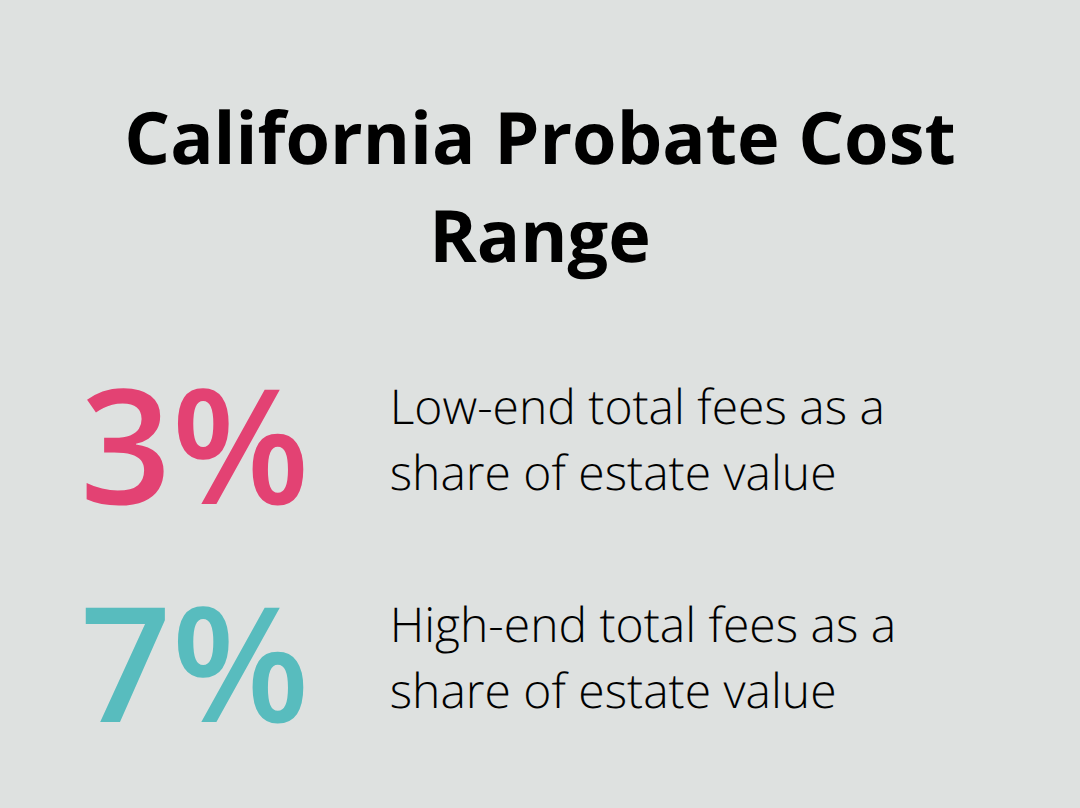
California probate applies to estates of any size, though the state offers simplified procedures for smaller estates under $184,500 as of 2024, according to California Probate Code Section 13100. The timeline typically runs 9 to 18 months, though complex estates take longer. Court fees, attorney costs, and executor compensation total 3 to 7 percent of the estate value, making this a significant financial consideration for families.
The Executor or Administrator Role
The person managing probate is called an executor if named in a will, or an administrator if there’s no will or the executor cannot serve. California law prioritizes who can fill this role-the surviving spouse comes first, followed by adult children, then other heirs in order of closeness. Whoever serves must be at least 18 years old, a state resident or have an in-state attorney representative, and cannot have a felony conviction.
Court Approval and Key Deadlines
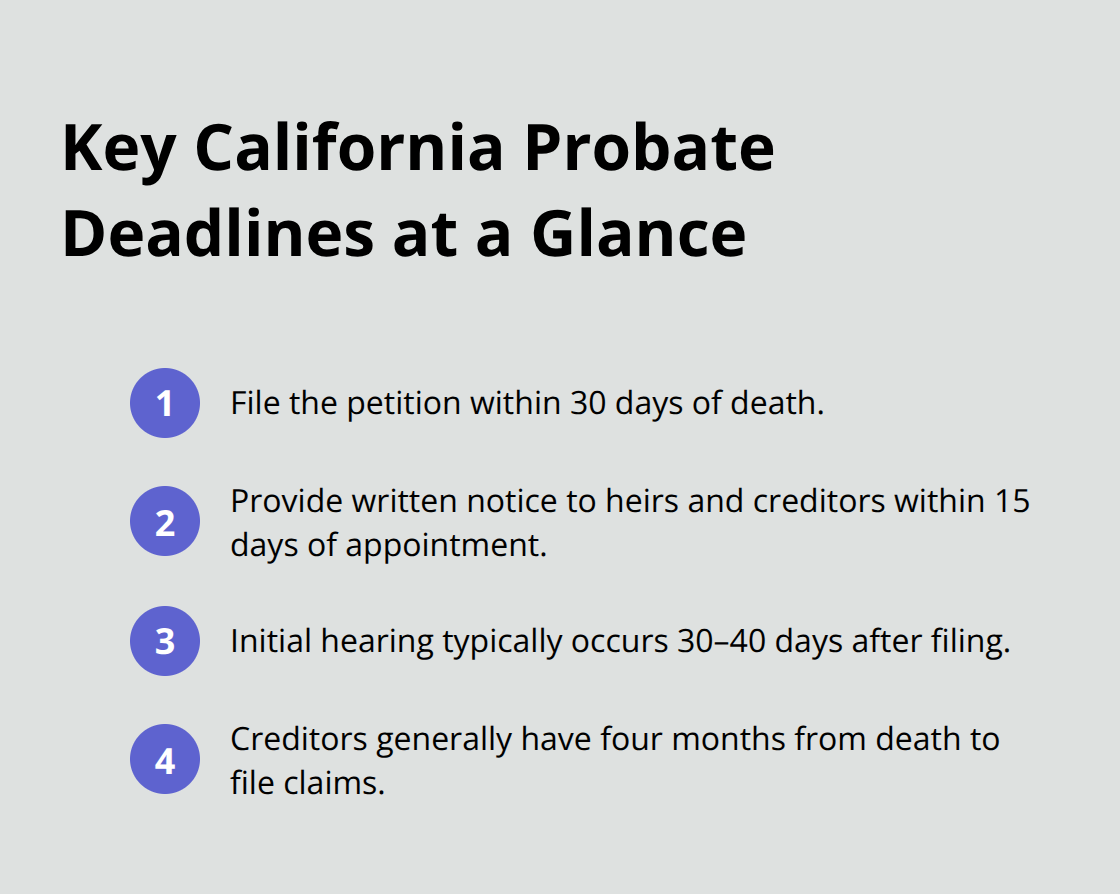
The court must approve the appointment at the initial hearing, which typically occurs 30 to 40 days after filing the petition. Key deadlines include filing the petition within 30 days of death, providing notice to heirs and creditors within 15 days of appointment, and responding to creditor claims within four months. Missing these deadlines can result in personal liability for the administrator or executor.
Anyone considering this role should understand these responsibilities fully before accepting the position. The next section covers the specific documentation and filings required to move the probate process forward.
Filing Your Probate Petition and Initial Documents
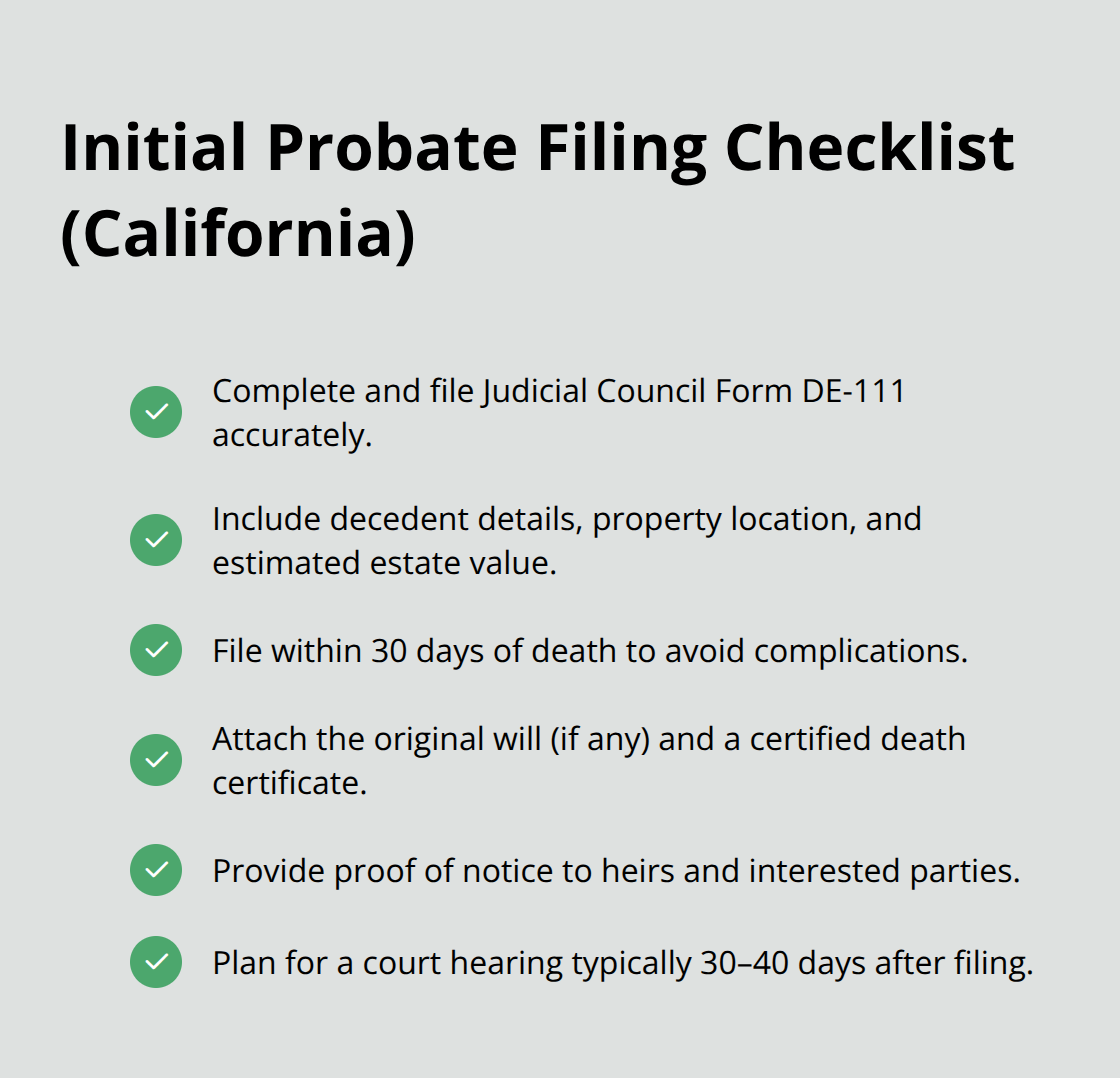
Starting probate in California requires filing specific forms with the court, and getting these documents right from the beginning prevents costly delays later. The petition to administer the estate, filed on Judicial Council Form DE-111, must include the decedent’s name, death date, property location, estimated estate value, and the proposed administrator or executor’s information. California courts reject incomplete petitions regularly, which pushes your timeline back by weeks. File this petition within 30 days of death to avoid complications with creditor claims and asset management. You’ll also need the original will if one exists, a death certificate, and proof that notice was provided to heirs and interested parties. The court schedules a hearing typically 30 to 40 days after filing, so plan for this timeline when communicating with beneficiaries about what to expect.
Inventory and Property Valuation
Within three months of appointment, you must file an inventory and appraisal with the court listing all estate property and its fair market value as of the death date. This document becomes public record, so privacy-conscious families should know that anyone can access this information. Professional appraisals cost between $500 and $3,000 per property depending on complexity, and real estate typically requires a licensed appraiser. You cannot estimate values yourself-the law requires actual appraisals for real property and items over $10,000. Undervaluing assets invites IRS scrutiny later, while overvaluing them increases estate taxes unnecessarily. Many executors make the mistake of using outdated property assessments or online estimates instead of professional appraisals, which creates problems during the final accounting phase.
Managing Creditor Claims and Notifications
You must provide written notice to all known creditors within 15 days of your appointment, and creditors then have four months from the date of death to file claims against the estate. This is non-negotiable-missing this deadline can leave you personally liable for unpaid debts. Publish a notice to creditors in a local newspaper as well, which typically costs $200 to $500 and provides protection against unknown creditors after the four-month window closes. Track every creditor claim that arrives, noting the claim amount, filing date, and whether you plan to allow or reject it. Most creditor claims are routine, but disputed claims require a court hearing, which extends the probate timeline by several months. Proper handling of these notifications protects you from personal liability and moves the estate toward final distribution.
Managing Assets and Distributing the Estate
Preparing Your Estate Accounting
Probate administration requires you to maintain detailed financial records from start to finish, and California courts scrutinize these accounts carefully before approving final distributions. Within four months of your appointment, you must file an accounting with the court showing all estate receipts, expenses, and disbursements, broken down by category. This accounting becomes public record, so beneficiaries and creditors can review exactly how you managed the estate’s money.
Most executors underestimate the complexity of this task. You cannot simply provide bank statements and call it done. The accounting must reconcile the opening inventory value with current asset values, explain any losses or gains, document all professional fees paid to attorneys and appraisers, and itemize ongoing expenses like property taxes, insurance, and utilities.
A poorly prepared accounting invites objections from beneficiaries and delays final distribution by months. If you hire an accountant to prepare this document, you’ll pay $1,500 to $4,000 depending on estate complexity. Some executors attempt this alone using spreadsheets, which frequently contain calculation errors that force a do-over with the court.
Understanding Tax Obligations and Debt Priority
Federal estate taxes apply only to estates exceeding $13.61 million as of 2024, according to IRS guidelines, but California has no state estate tax, which simplifies matters considerably for most families. You must still file a final federal income tax return for the decedent and potentially a fiduciary income tax return for the estate itself, particularly if the estate generates income during administration.
Creditor claims, funeral expenses, and court costs take priority over taxes and beneficiary distributions. You cannot distribute assets to heirs until all valid debts are paid. California Probate Code Section 13050 sets a strict timeline-you have until four months after the creditor claim deadline to resolve all claims and prepare for final distribution.
If disputes arise over creditor claims, those must go through court hearings, which can stretch this timeline significantly. Law Offices of Roshni T. Desai can help you navigate these complex payment priorities and avoid costly mistakes.
Completing Final Distribution
Once debts are settled and taxes filed, you calculate each beneficiary’s share based on the will or California’s intestacy laws if no will exists, then prepare a petition for final distribution. The court must approve this petition before you transfer any remaining assets, which typically takes another 30 to 60 days.
This final step requires precise documentation showing that all debts, taxes, and expenses have been paid and that the remaining distribution amounts are accurate.
Final Thoughts
California probate administration requirements demand careful attention to deadlines, documentation, and financial management throughout the entire process. The timeline typically spans 9 to 18 months, and costs range from 3 to 7 percent of estate value when combining court fees, attorney services, and executor compensation. Missing even one deadline creates personal liability for the administrator or executor, making accuracy at each stage essential.
Many people underestimate the complexity of maintaining proper financial records, preparing court-approved accountings, and managing creditor claims within strict timeframes. These tasks require knowledge of California Probate Code requirements and court procedures that go far beyond basic bookkeeping. We at Law Offices of Roshni T. Desai recommend seeking professional guidance when you’re appointed as an executor or administrator, particularly if the estate includes real property, multiple creditors, or beneficiaries who may dispute distributions.
The best time to simplify probate is before death occurs-establishing a living trust, designating beneficiaries on retirement accounts, and holding property in joint ownership can bypass probate entirely for many assets. If you’re managing someone else’s probate or considering your own estate planning, contact Law Offices of Roshni T. Desai to discuss your situation with someone who understands California’s specific requirements and can guide you through each step.