




Best Trust Administration Attorney: Finding the Right Advocate for Your Trust
Trusts are powerful tools for protecting your assets and providing for your family. But administering a trust correctly requires more than good intentions-it demands someone who understands the legal complexities involved.
At Law Offices of Roshni T. Desai, we’ve seen firsthand how the right trust administration attorney can make the difference between a smooth process and costly mistakes. This guide walks you through what to look for when finding the best trust administration attorney for your situation.
What Trust Administration Attorneys Actually Handle
Trust administration involves three distinct responsibilities that most people underestimate in complexity. Managing trust assets and distributions requires navigating detailed instructions from the trust document while calculating appropriate distributions to beneficiaries. This isn’t simply writing checks-it involves valuing assets, understanding tax implications of distributions, and maintaining meticulous records. Handling tax obligations demands filing trust income tax returns, calculating estimated taxes, and managing capital gains reporting. The IRS requires trust fiduciaries to file Form 1041 annually if the trust has income above $600, according to current tax code requirements. Resolving disputes between beneficiaries often becomes necessary when disagreements arise about distributions, asset valuations, or the trustee’s decisions.
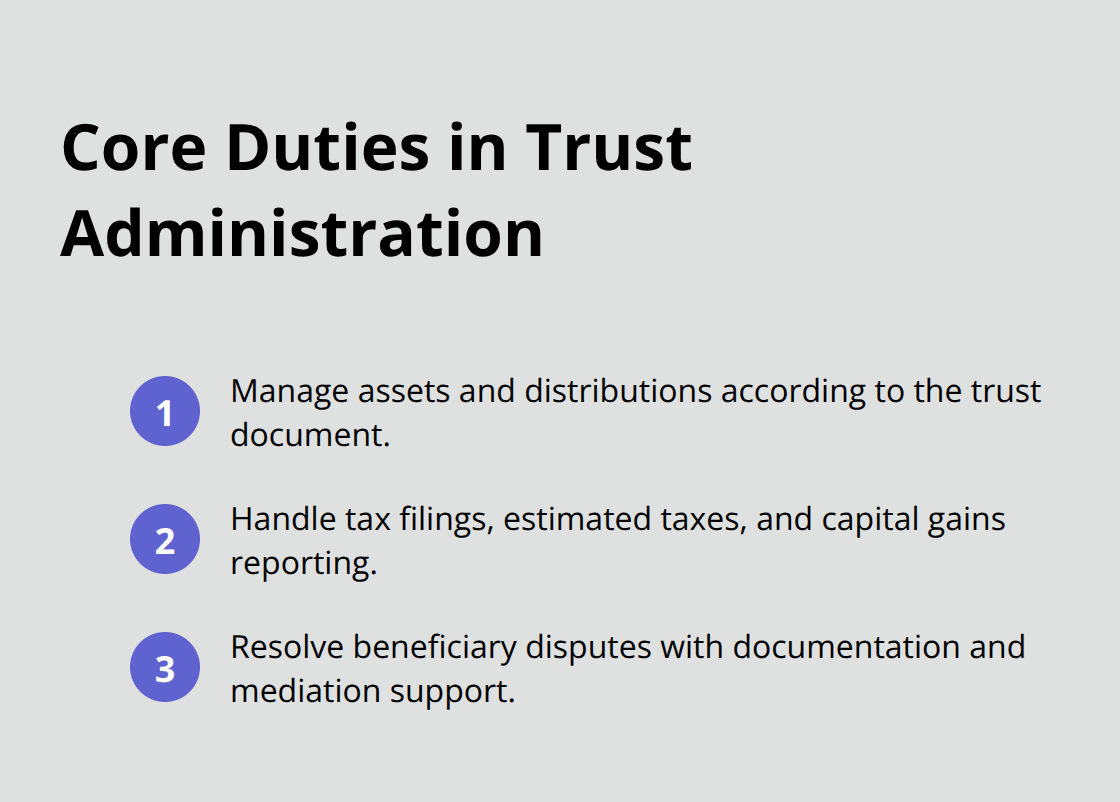
Many trusts encounter conflict when beneficiaries misunderstand the trustee’s authority or feel treated unfairly.
Managing Assets Without Mistakes
Trust administration attorneys guide trustees through asset management by clarifying what the trust document permits. A trustee cannot simply distribute assets as they wish-the document contains specific language about when and how distributions occur. An attorney prevents costly errors like distributing assets before paying taxes, selling trust property without understanding tax consequences, or missing deadlines that trigger penalties. The attorney also maintains detailed accounting records that beneficiaries have the right to request, protecting the trustee from accusations of mismanagement.
Tax Filings and Deadline Management
Trust tax obligations extend beyond simple income reporting. Trusts earning over $600 annually must file federal income tax returns, and many states require separate filings. Capital gains from selling trust assets create additional reporting requirements. Missing these deadlines results in penalties and interest charges that reduce the estate’s value. An attorney tracks filing deadlines, coordinates with tax professionals, and ensures all required documentation reaches the IRS on time. Beneficiaries also need K-1 forms showing their share of trust income, which requires accurate calculations and timely distribution to avoid beneficiary tax penalties.
Handling Beneficiary Conflicts Directly
When beneficiaries disagree about trust administration, an attorney intervenes before conflicts escalate to litigation. Some disputes stem from misunderstandings about the trustee’s authority, while others involve genuine disagreements about fair treatment. An attorney explains the trustee’s legal obligations, mediates between conflicting parties, and documents decisions to prevent future claims. In situations where litigation becomes unavoidable, the attorney represents the trust’s interests and protects the trustee from personal liability.
What Separates Strong Trust Attorneys from the Rest
The right trust administration attorney combines technical knowledge with practical problem-solving skills. They understand how trust documents work in real situations, not just in theory. They communicate clearly with trustees and beneficiaries, translating legal requirements into actionable steps. They respond promptly to questions and concerns (because delays in trust administration create cascading problems). They also recognize when a trust faces structural issues that require proactive solutions rather than reactive damage control. These qualities matter because trust administration often reveals problems the original trust document didn’t anticipate.
Key Qualities to Look for in a Trust Administration Attorney
Understanding Complex Trust Structures
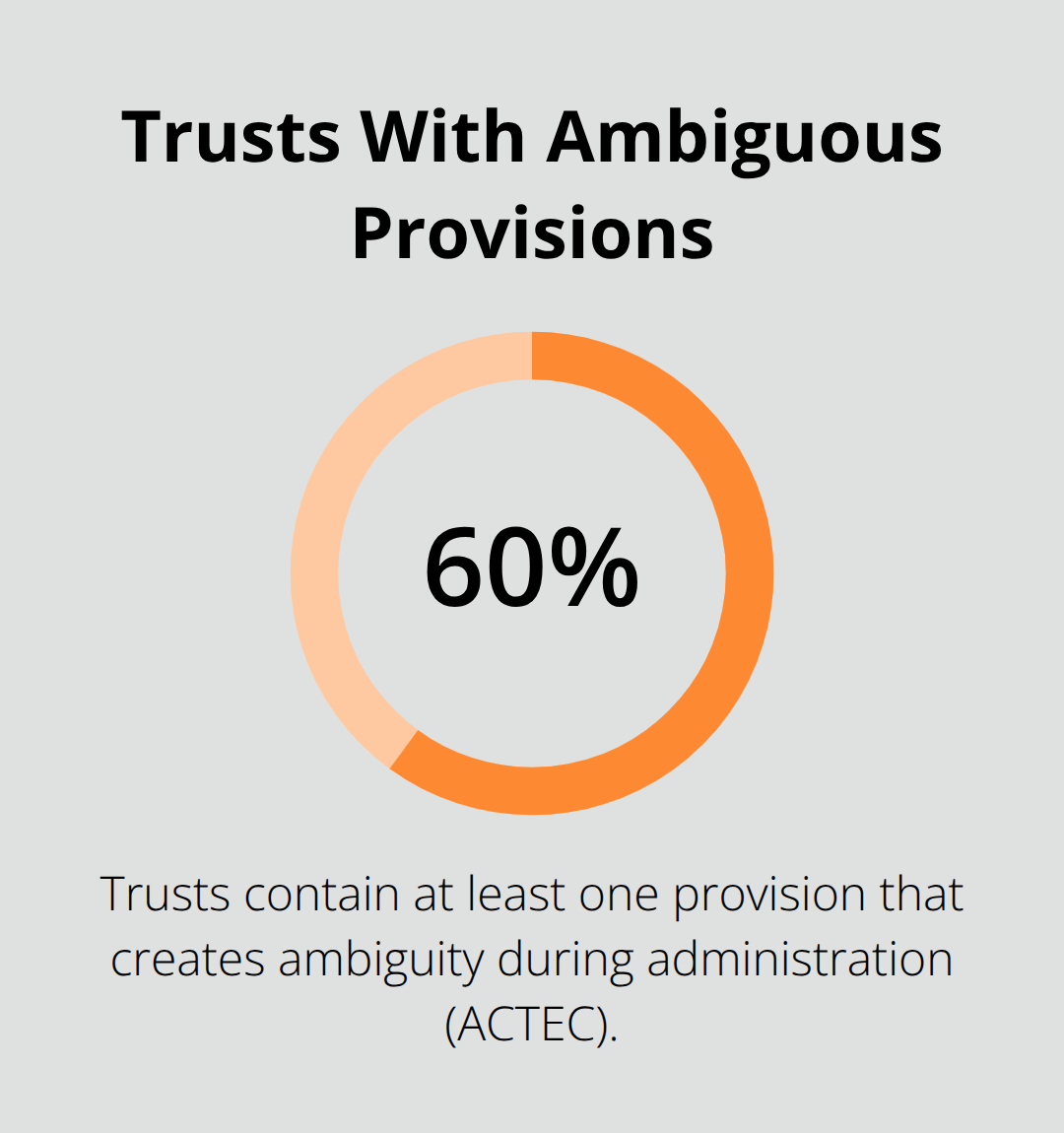
An attorney who understands complex trust structures identifies problems before they become expensive headaches-they don’t just read the document and nod along. Many trusts drafted years ago contain outdated language, conflicting provisions, or ambiguous distribution instructions that create confusion during administration. A skilled attorney spots these issues immediately and either works within the existing framework or recommends modifications if the trust allows amendments. Research from the American College of Trust and Estate Counsel found that approximately 60% of trusts contain at least one provision that creates ambiguity during administration. Your attorney should ask detailed questions about the trust’s original intent, the trustee’s concerns, and potential beneficiary conflicts rather than passively following the document’s language.
They should also understand how different asset types (real estate, business interests, retirement accounts, investment portfolios) trigger different tax and distribution rules. A trust holding significant real estate requires different handling than one with primarily liquid investments, yet many attorneys treat all trusts the same way.
Clear Communication and Responsiveness
Communication separates attorneys who leave trustees confused from those who empower them to act confidently. When a trustee doesn’t understand why they can’t distribute funds immediately or why certain assets require special handling, delays multiply and frustration builds. The right attorney explains decisions in plain language, provides written documentation of their recommendations, and responds to questions within 48 hours. This responsiveness matters tremendously-trust administration deadlines don’t wait, and a slow attorney forces trustees to make decisions without proper guidance or miss filing deadlines entirely. Your attorney should proactively reach out when issues arise rather than waiting for you to ask questions.
Flexible Availability for Your Schedule
Trustees often work full-time jobs while managing trust responsibilities, which means they need evening or weekend access to discuss trust matters. An attorney who insists on only office visits during business hours doesn’t understand the realities trustees face. Law Offices of Roshni T. Desai provides flexible availability including home or office visits, recognizing that trust administration fits around your existing commitments. This flexibility becomes especially important when urgent questions arise outside standard business hours or when you need to meet at a location convenient to your schedule.
Red Flags When Choosing a Trust Administration Attorney
Unclear Fee Structures Hide True Costs
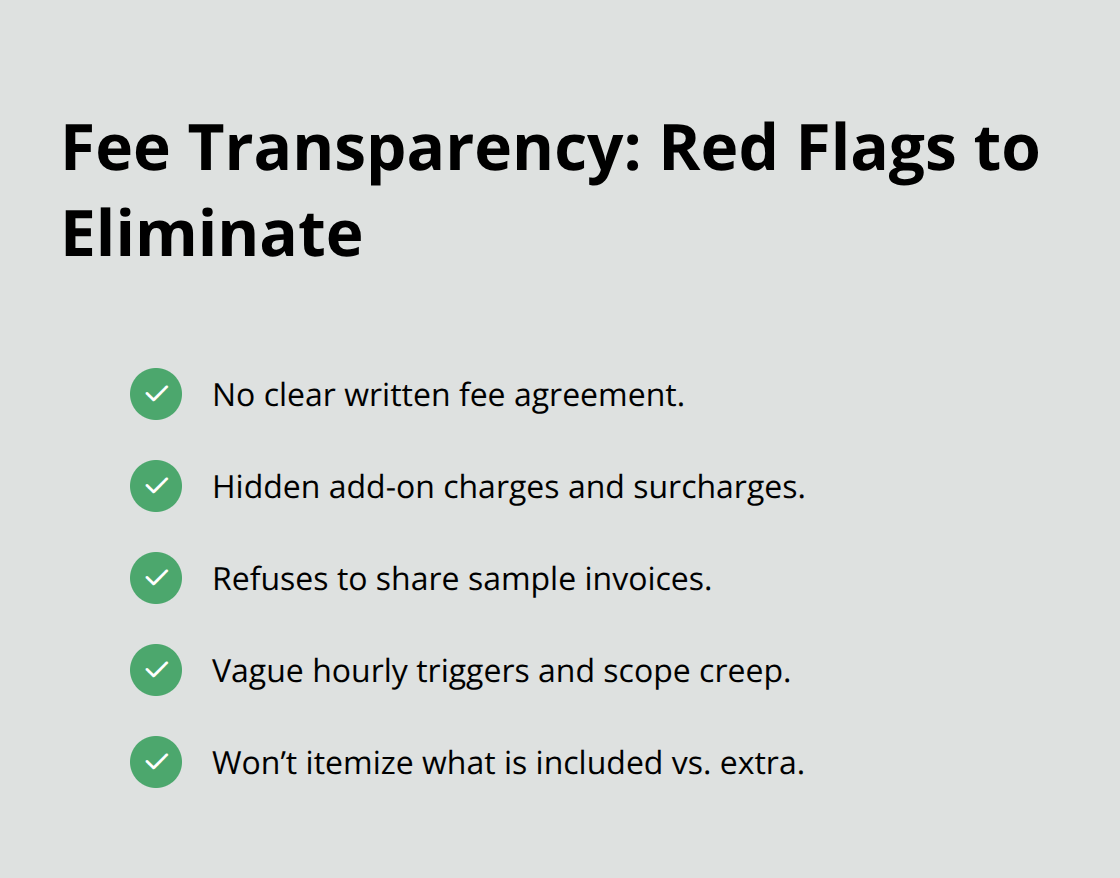
Attorneys with unclear fee structures conceal costs until bills arrive, leaving trustees shocked by unexpected charges. Some charge hourly rates without explaining what activities trigger those hours, while others quote flat fees then add surcharges for tasks they claimed were included. The State Bar of California requires attorneys to provide fee agreements in writing before work starts, yet many trustees report receiving vague estimates that bear no resemblance to final invoices.
Ask potential attorneys to itemize exactly what their fees cover-asset inventory, tax return preparation, beneficiary communications, dispute resolution-and what costs extra. Request sample invoices from past trust administrations so you see the actual breakdown. Attorneys unwilling to provide written fee details or sample invoices should be eliminated immediately, regardless of their other qualifications.
Trust administration typically costs between $2,500 and $7,500 depending on complexity, according to the American Academy of Estate Planners and Counselors, yet some trustees end up paying double this range due to hidden fees and scope creep. This transparency matters because you need to budget accurately and avoid financial surprises.
Lack of Local Knowledge Creates Complications
An attorney lacking local knowledge creates unnecessary complications in Southern California trust administration. State and county-specific tax rules, local court procedures, and regional real estate considerations all affect how trusts should be administered. An attorney licensed to practice in California but unfamiliar with Southern California’s probate courts, local property transfer requirements, or regional tax implications will stumble through basic tasks.
Additionally, attorneys who cannot meet in person or offer only phone consultations struggle to understand complex situations involving local real estate or family dynamics that require face-to-face discussion. They miss important details that only surface during in-person meetings. This limitation becomes especially problematic when trust assets include Southern California real estate or when beneficiaries live in the region.
Limited Availability and Slow Response Times
Limited availability or slow response times compound trust administration problems significantly. When a trustee emails questions about an approaching tax deadline and waits three days for a response, critical filing dates slip past. The right attorney responds within 48 hours, meets at locations convenient to you, and understands Southern California’s specific legal and practical landscape.
Trustees often work full-time jobs while managing trust responsibilities, which means they need evening or weekend access to discuss trust matters. An attorney who insists on only office visits during business hours doesn’t understand the realities trustees face. Flexible availability (including home or office visits) recognizes that trust administration fits around your existing commitments, and this flexibility becomes especially important when urgent questions arise outside standard business hours.
Final Thoughts
Finding the best trust administration attorney requires balancing technical knowledge with practical responsiveness. The attorney you choose will guide your trust through years of administration, handle complex tax obligations, and prevent costly mistakes that reduce your family’s inheritance. This means prioritizing someone who understands Southern California’s legal landscape, communicates clearly about fees and timelines, and responds promptly when questions arise.
The qualities that matter most are straightforward: an attorney who asks detailed questions about your trust’s structure, explains decisions in plain language, and provides flexible availability around your schedule. Red flags like vague fee agreements, limited local knowledge, or slow response times should eliminate candidates immediately, regardless of their credentials. Trust administration demands someone who treats your situation as unique rather than applying a generic approach to every trust.
Your next step is scheduling a consultation with an attorney who listens to your specific concerns and explains how they’ll handle your trust’s administration. We provide free consultations at Law Offices of Roshni T. Desai to discuss your situation without obligation. The right best trust administration attorney will make trust administration manageable rather than overwhelming.