




Family Trust Counsel: Access Trusted Guidance for Family Fortunes
Family trusts are one of the most effective tools for protecting your wealth and controlling how your assets pass to the next generation. Yet many families delay setting one up because they’re unsure where to start or what structure makes sense for their situation.
At Law Offices of Roshni T. Desai, we help families navigate family trust counsel and build strategies that align with their specific goals. This guide walks you through how trusts work, how to structure yours, and how to manage it properly over time.
How Family Trusts Protect Your Assets and Reduce Taxes
Removing Assets from Probate
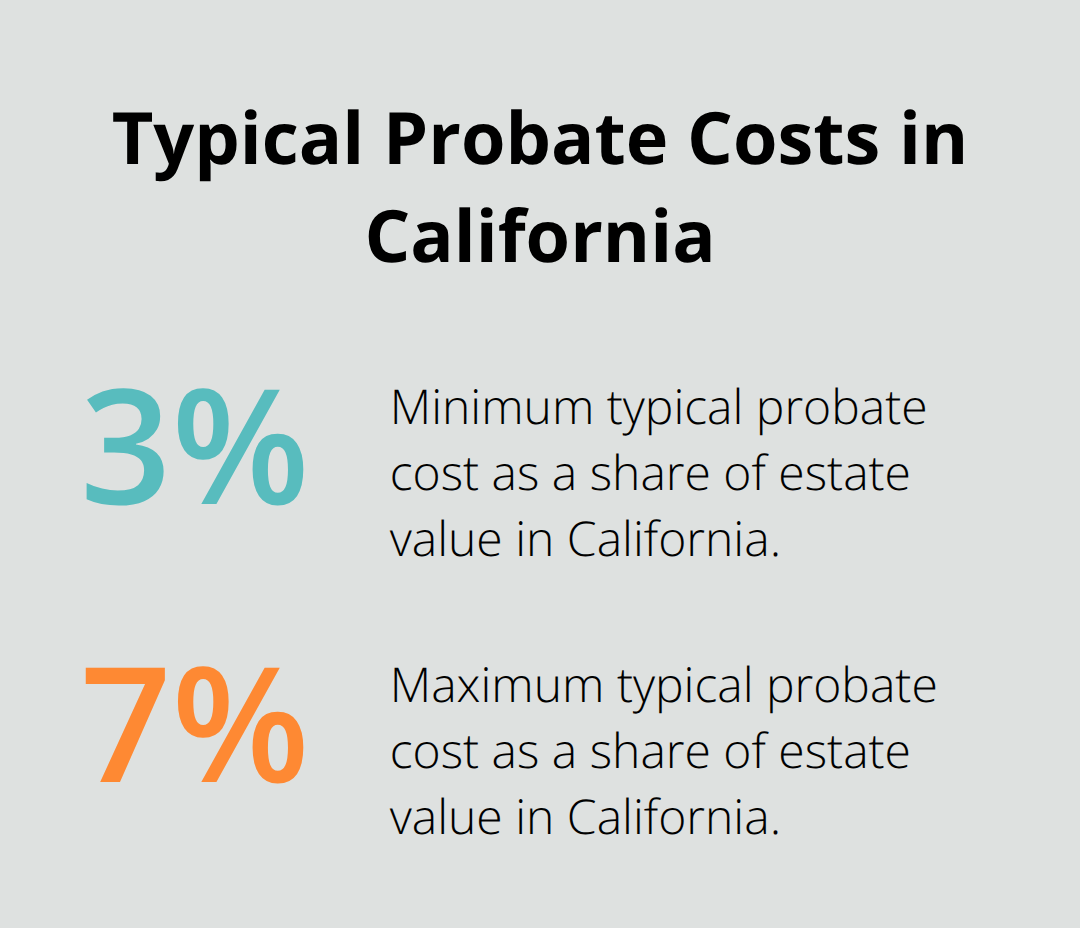
A family trust operates as a legal entity that holds your assets separate from your personal name. When you transfer property, investments, or bank accounts into the trust, you remove them from your probate estate, which means they bypass the court system entirely when you pass away. This matters because probate in California typically takes 9 to 12 months and costs between 3% and 7% of your estate’s value according to the American Bar Association. Your beneficiaries receive assets faster and with significantly lower fees when a trust handles the transfer.
The trustee you name distributes assets according to your instructions without court involvement, court delays, or public disclosure of your financial details. Many families don’t realize that probate makes their estate information part of the public record, which creates privacy concerns and potential security risks for heirs.
Tax Advantages You Shouldn’t Ignore
Trusts deliver substantial tax advantages that most people overlook. An irrevocable trust removes assets from your taxable estate, which directly reduces or eliminates federal estate taxes for larger estates. In 2026, the federal estate tax exemption sits at $13.61 million per person, but this amount decreases significantly after 2025 unless Congress acts. For families with estates approaching or exceeding this threshold, an irrevocable trust structured properly can save hundreds of thousands in taxes. A revocable trust, in contrast, maintains your control during your lifetime but doesn’t reduce estate taxes since you retain ownership.
The Revocable Trust Trap
The real trap many families fall into is believing a revocable trust alone solves their tax problems-it doesn’t. This misconception causes families to miss critical planning opportunities or pay unnecessary taxes. The structure you choose matters far more than families typically understand. Matching the right trust structure to your actual tax situation and wealth level (rather than applying a one-size-fits-all approach) makes the difference between significant tax savings and missed opportunities. Understanding which trust type fits your circumstances requires careful analysis of your assets, family situation, and long-term goals-the foundation for everything that comes next in your trust strategy.
Building Your Trust Structure Around Your Actual Situation
Start With Your Assets, Not Your Assumptions
Start with a brutally honest assessment of your assets and family circumstances rather than choosing a trust type first. Many families work backward-they pick a revocable or irrevocable trust because they heard it was popular, then struggle to make it fit their reality. The actual process should reverse this. List everything you own: real estate, investment accounts, retirement funds, business interests, insurance policies. Then identify what matters most to your family.
Identify Your Core Concerns
Are you concerned about protecting assets from creditors? Do you have a blended family with potential conflict? Are you approaching or exceeding the $13.61 million federal estate tax exemption? Do you own property in multiple states? Each answer points toward a different structural choice. A revocable trust works well if you want maximum control, privacy, and easy asset management during your lifetime, and your estate falls well below tax thresholds. You can modify it anytime, add or remove assets, and retain complete authority.
However, this structure provides zero tax reduction and zero creditor protection-your estate still pays taxes, and your beneficiaries still face probate costs if assets weren’t properly transferred into the trust. An irrevocable trust removes assets from your taxable estate permanently, which protects those assets from estate taxes and creditor claims. The tradeoff is real: you lose control. You cannot change the terms, withdraw funds, or reclaim assets once you transfer them. This works best for high-net-worth families, business owners protecting company assets, or anyone wanting to shield inheritance from a beneficiary’s future creditors or divorce.
Combine Approaches for Maximum Benefit
The structure that fits your situation might actually combine both approaches. Many families benefit from a revocable living trust as their primary planning vehicle, paired with irrevocable trusts for specific assets that need tax reduction or creditor protection. For example, you might hold your primary residence and liquid savings in a revocable trust for simplicity and control, while transferring investment real estate or business interests into an irrevocable trust that removes their future appreciation from your taxable estate. This hybrid approach gives you flexibility where you need it and tax savings where they matter most.

Timing Determines Your Tax Savings
The key decision point is timing. Irrevocable trusts work best when you fund them years before you need the tax benefit, because the IRS values transferred assets based on their worth at the time of transfer. If you transfer property worth $500,000 today into an irrevocable trust, only that $500,000 counts against your exemption, not the $1.2 million it might be worth when you pass away. Waiting until age 75 to implement irrevocable planning means missing years of tax-free appreciation growth.
Conversely, if you’re under 50 with a modest estate, irrevocable trusts may create unnecessary complications without meaningful tax benefit. The decision requires honest numbers: your current net worth, projected growth rate, family goals, and realistic timeline. This analysis determines whether you need aggressive tax planning or whether a simpler structure serves your family better-and it sets the stage for the next critical step: choosing who manages your trust and how they handle their responsibilities.
Who Should Manage Your Trust and What They Actually Need to Do
Selecting the Right Trustee for Your Family
The trustee you name carries responsibilities that most people dramatically underestimate. This person controls asset distribution, manages investments, files tax returns, handles creditor claims, and communicates with beneficiaries-often while navigating family tension and complex financial decisions. Choosing the wrong trustee creates unnecessary conflict and costs. Many families appoint a spouse or adult child simply because they’re family, without considering whether that person has the financial knowledge, emotional detachment, or time commitment the role demands.
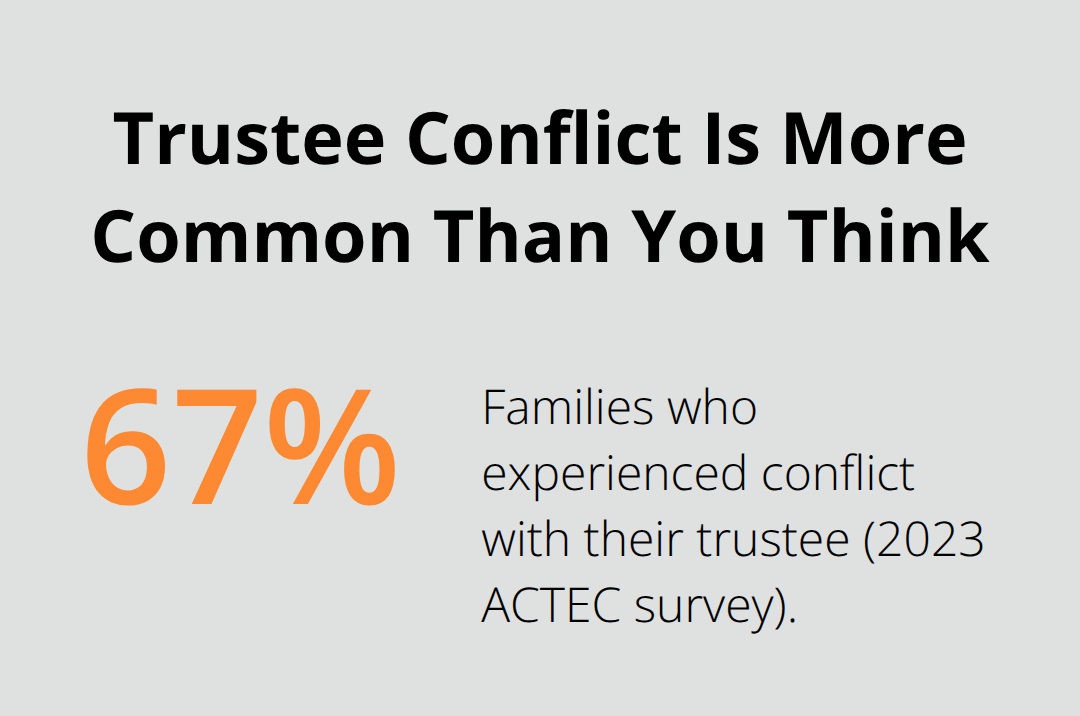
A 2023 survey by the American College of Trust and Estate Counsel found that 67% of families experienced conflict with their trustee, primarily because trustees lacked clarity on their duties or families held unrealistic expectations about decision-making speed. The solution isn’t appointing a family member who’ll struggle-it’s naming someone with actual capability or using a professional trustee who understands California probate law and trust administration requirements.
The Three Phases of Trustee Responsibility
The trustee’s core job involves three distinct phases: managing assets during your lifetime if you become incapacitated, distributing assets according to your instructions after you pass, and maintaining detailed records that prove compliance with trust terms. During the management phase, the trustee invests trust assets prudently, pays bills, files tax returns on the trust’s behalf, and keeps beneficiaries reasonably informed.
After death, the trustee inventories assets, pays final expenses and taxes, notifies creditors, and then distributes remaining funds according to your written instructions. This process typically takes 12 to 18 months in California, though complexity varies. The trustee must act as a fiduciary, which means they’re legally bound to prioritize beneficiary interests over their own and follow your exact instructions-no exceptions. Violations result in personal liability, surcharges, and removal from the position.
Updating Your Trust When Life Changes
Your trust needs updates when your circumstances change significantly, not annually or on some arbitrary schedule. Major life events trigger the need for review: marriage, divorce, birth of children or grandchildren, significant wealth changes, acquiring property in another state, starting a business, or changes in tax law that affect your planning.
California law doesn’t require you to update a revocable trust, but failure to do so after major changes often creates problems. If your trust names guardians for young children and your children are now adults, that provision wastes space and creates confusion. If you’ve acquired substantial real estate in Nevada or Arizona and your trust doesn’t address multi-state property ownership, your beneficiaries face probate in those states anyway.
Addressing Tax Law Changes and Exemption Cliffs
If tax law changes dramatically-like the 2025 federal exemption cliff where the $13.61 million exemption drops to approximately $7 million per person unless Congress extends current rules-your irrevocable trust strategy might need adjustment. Try reviewing your trust every 3 to 5 years or immediately after any major life change.
During review, verify that named trustees and successor trustees are still willing and able to serve. Check whether asset values have shifted dramatically, requiring trust restructuring. Confirm that your beneficiary designations on retirement accounts, life insurance, and payable-on-death accounts align with your trust’s distribution plan-mismatches create unintended outcomes and family conflict. Update property descriptions if you’ve sold assets or acquired new ones. Consider whether your tax situation has changed enough to warrant moving assets between revocable and irrevocable trusts. This maintenance work prevents your carefully constructed trust from becoming outdated and ineffective, which happens to families who treat trusts as a one-time project rather than an evolving document.
Final Thoughts
Family trusts only work when you build them correctly and maintain them over time. The structure you choose, the trustee you name, and the updates you make determine whether your trust actually protects your wealth or becomes an outdated document that creates problems for your beneficiaries. This is why family trust counsel matters far more than most people realize.
Families who skip professional guidance often choose trust structures that don’t match their actual situation, name trustees unprepared for the role, or fail to update provisions after major life changes. These mistakes result in unnecessary taxes, probate costs, family conflict, and delayed distributions. The financial impact compounds over years and affects multiple generations.
Your next step is straightforward: gather your financial information and identify your core concerns. What matters most to your family-tax reduction, privacy, creditor protection, control, or some combination? Write down your assets, your family structure, and any specific worries about how your wealth transfers. Then connect with someone who understands California trust law and can analyze your specific situation. We at Law Offices of Roshni T. Desai help families build trust strategies that actually fit their circumstances rather than applying generic solutions. Schedule a free consultation with us to discuss your family’s specific situation and whether a revocable trust, irrevocable trust, or hybrid approach makes sense for your goals.