




Basic Probate Administration: A Simple Checklist For Executors
Becoming an executor means handling someone’s final affairs-from paperwork to money matters. It’s a significant responsibility that often feels overwhelming without clear guidance.
We at Law Offices of Roshni T. Desai created this checklist to walk you through basic probate administration step by step. You’ll know exactly what to do and when to do it.
Understanding Your Role as Executor
An executor manages the legal and financial affairs of a deceased person’s estate. This role involves far more than signing documents-you become responsible for locating assets, paying debts, filing taxes, and distributing what remains to beneficiaries. The job typically takes between 9 to 18 months, though complex estates can stretch longer. Your primary duty is to act in the best interest of the estate and its beneficiaries, not yourself. Courts take this seriously. If you fail to account for assets properly or miss tax deadlines, beneficiaries can sue you personally, and you may face removal from the role. The stakes are real, which is why understanding your exact responsibilities matters from day one.
Your Core Duties and Timeline
Start by locating the will and obtaining court approval for your appointment. This step, called probate, typically takes 4 to 8 weeks depending on your state. Next, you’ll inventory all assets-real estate, bank accounts, vehicles, investments, personal property-and have them appraised if needed. Simultaneously, you must notify creditors, which opens a claims period usually lasting 3 to 6 months. During this window, creditors file claims against the estate. You’ll pay legitimate debts, file the final income tax return, and handle any estate taxes owed. Only after creditors have been notified and the claims period closes can you safely distribute remaining assets to beneficiaries.
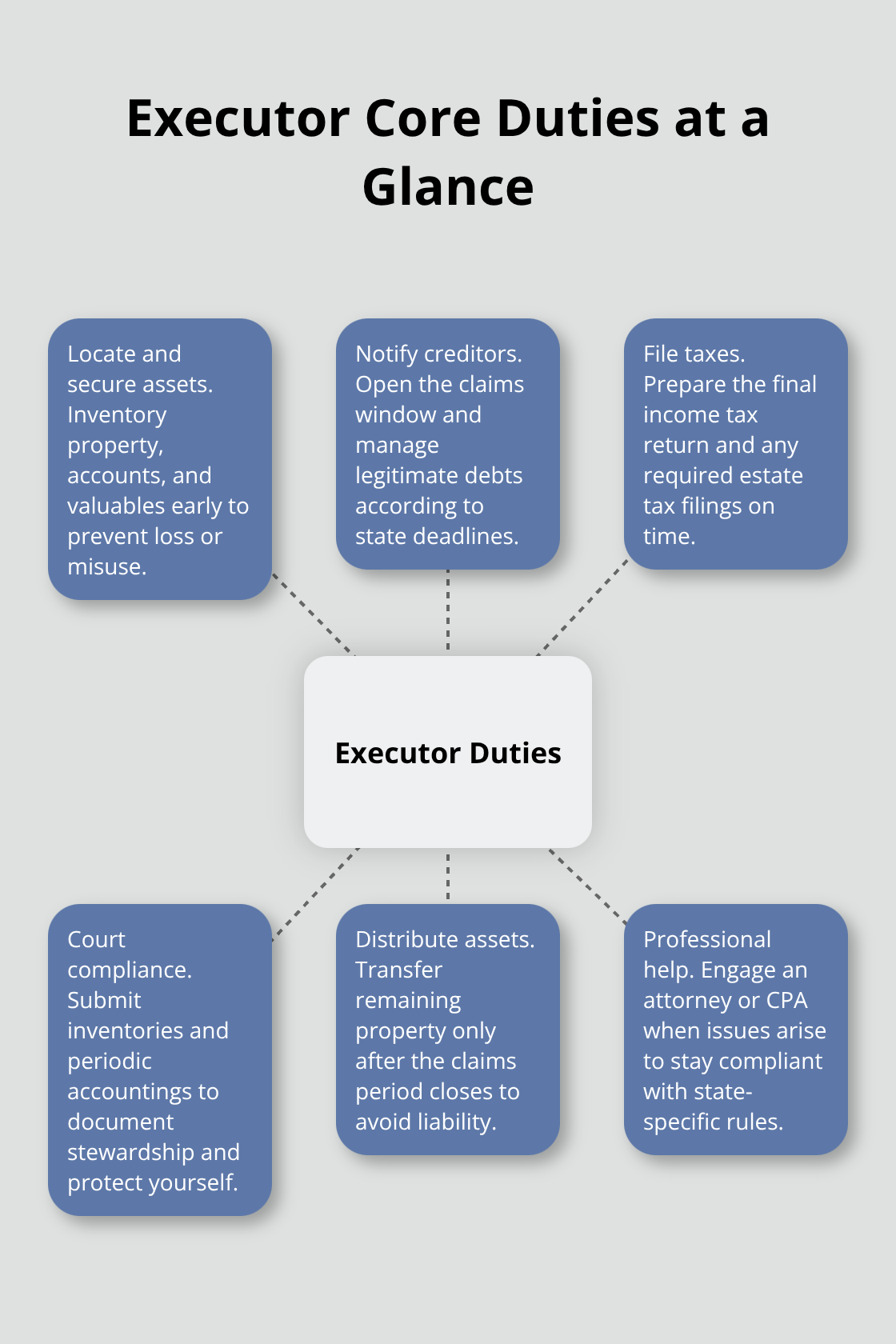
Throughout this process, you’ll file accountings with the court showing where money came from and where it went. This documentation protects you and demonstrates responsible stewardship to beneficiaries and the court.
Mistakes That Cost Time and Money
Many executors fail to inventory assets thoroughly, discovering overlooked accounts months later and delaying distributions. Others miss tax filing deadlines or fail to notify all creditors, exposing themselves to liability. A common error occurs when executors distribute assets too quickly before the claims period ends-creditors can then pursue beneficiaries for payment. Some executors pay themselves informally without court approval, creating tax problems. Others hire professionals without getting multiple quotes, wasting estate funds.
Don’t assume you know all the assets. Contact banks, brokerage firms, and insurance companies directly. Keep detailed records of every expense and decision. If you’re uncertain about any step, consult with an attorney before acting. An attorney can help you navigate state-specific requirements and avoid costly missteps that expose you to personal liability.
As you move forward with these foundational responsibilities, the next section walks you through the essential steps that form the backbone of probate administration-from locating every asset to handling creditor claims and filing court documents.
Essential Steps in the Probate Process
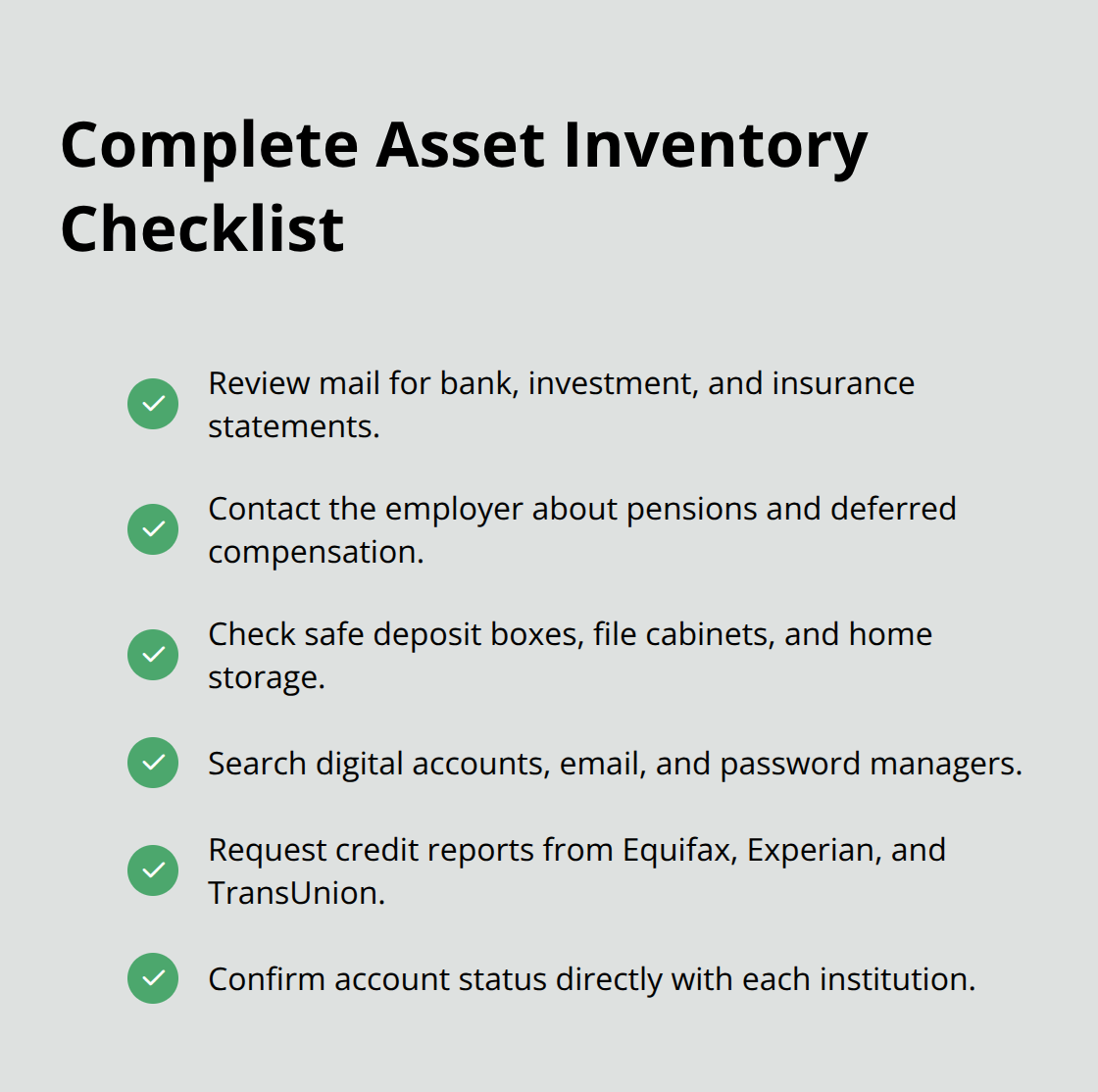
Your first critical task is locating and inventorying assets. This step determines everything that follows-tax liability, creditor claims, and what actually gets distributed to beneficiaries. Many executors underestimate how thoroughly they need to search. Start by reviewing the deceased’s mail for bank statements, investment account notices, and insurance documents. Contact the deceased’s employer about pension benefits or deferred compensation. Check safe deposit boxes, file cabinets, and digital accounts. Search for online banking logins and financial accounts the deceased may have held. Request a credit report for the deceased from all three bureaus-Equifax, Experian, and TransUnion-to identify accounts you might have missed. This typically costs under $30 and reveals credit card accounts, loans, and other liabilities creditors might pursue.
Create a Complete Asset Inventory
Create a spreadsheet listing each asset with its location, approximate value, and account numbers. For real estate, obtain recent property tax assessments and appraisals if the property will be sold or distributed. For vehicles, check the title documents. For investment accounts, get statements as of the date of death. Many executors also overlook digital assets-cryptocurrency wallets, online businesses, social media accounts, and cloud storage. The Federal Trade Commission estimates Americans hold an average of 26 online accounts, yet most executors don’t systematically search for them. Contact financial institutions directly rather than relying on old statements; accounts may have been closed or transferred without your knowledge.
Notify All Creditors Within Legal Deadlines
Once you inventory assets, you must notify all known and potential creditors. This is not optional-it’s a legal requirement in most states and directly affects your personal liability. Publish a notice to creditors in the local newspaper where the deceased lived; this typically costs $100 to $300 and fulfills your statutory obligation to notify unknown creditors. Send written notice to every creditor you identify-credit card companies, mortgage lenders, utility companies, medical providers, and the IRS. Most states require this notice within 30 to 60 days of your appointment. The claims period usually runs 3 to 6 months from the date you send notice. During this window, creditors file claims against the estate, and you pay legitimate debts from estate funds.
Pay attention to state deadlines; some states impose strict cutoffs after which creditors lose their right to claim. Never distribute assets to beneficiaries before the claims period closes-if you do, you become personally liable for unpaid creditor claims. This is one of the costliest mistakes executors make.
File Court Documents to Protect Yourself
Court filings protect you by creating a documented record of your actions. File the will with the probate court and petition for your formal appointment as executor or administrator. This typically takes 4 to 8 weeks and costs between $300 and $1,000 depending on your state and whether the estate is contested. Once appointed, file an inventory with the court listing all assets and their values as of the date of death. Some states require this within 90 days; others within 6 months.
File the deceased’s final income tax return and, if the estate exceeds $13.61 million in 2024, file a federal estate tax return. State estate taxes apply in only 12 states plus Washington D.C., but if your estate qualifies, missing the deadline creates substantial penalties. File accountings showing money received and spent. These accountings demonstrate to beneficiaries and the court that you handled funds responsibly. Keep receipts, bank statements, and invoices for every transaction. If beneficiaries challenge your administration later, these documents prove you acted appropriately. Many executors skip accountings to save time, then face accusations of mismanagement or theft. The paper trail costs nothing but time and protects you completely.
With assets located, creditors notified, and court documents filed, you now move into the phase where you actively manage estate property and prepare for distributions-the subject of the next section.
Managing Estate Property and Distributions
Secure and Value Estate Assets Immediately
Protect assets during probate through immediate action. Real estate requires securing, insuring, and assessing for value within the first 60 days of your appointment. Contact the property insurer to confirm coverage remains active and add the estate as an additional insured party; failure to maintain insurance exposes you to personal liability if the property sustains damage. For investment accounts and vehicles, transfer titles into the estate’s name to prevent unauthorized access or sale. If the deceased owned a business, take inventory of equipment, customer lists, and financial records immediately-business value deteriorates rapidly without active management. Securities must stay in a dedicated estate account, never in your personal name.
Many executors leave assets in the deceased’s name indefinitely, which complicates title transfers and creates tax reporting problems later. Request appraisals for real property, artwork, jewelry, and collectibles within 90 days of death; these valuations establish the date-of-death value, which directly affects capital gains taxes when beneficiaries sell inherited property. The IRS allows beneficiaries a step-up in basis to the asset’s fair market value on the date of death, meaning if property worth $400,000 at death sells for $410,000 by a beneficiary, only $10,000 becomes taxable gain. Delaying appraisals creates disputes with beneficiaries later and complicates your tax filings.
Handle Taxes and Final Expenses Strategically
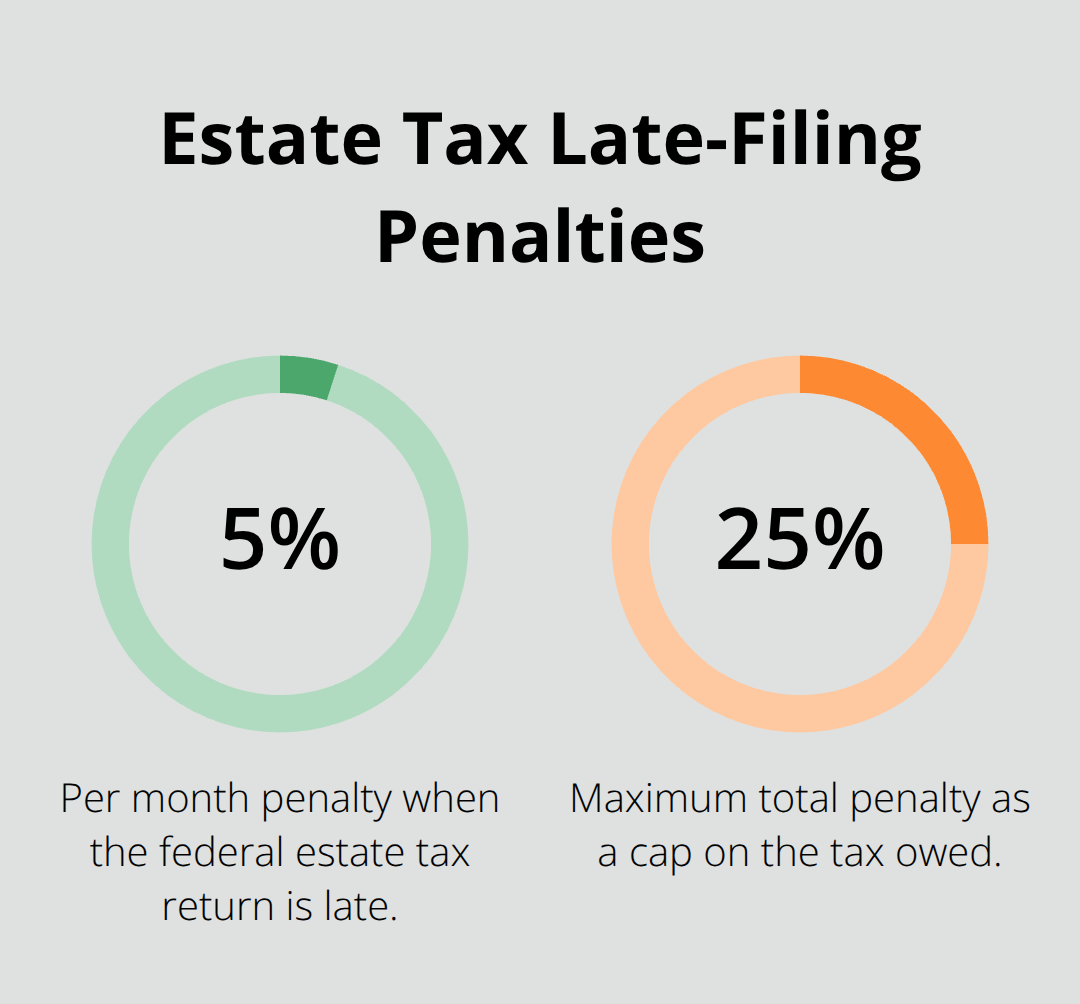
Taxes and final expenses consume far more estate funds than most executors anticipate. File the deceased’s final federal income tax return (Form 1040) by April 15 of the year following death, even if the estate is small. Simultaneously, file any state income tax returns required in your jurisdiction. If the estate exceeds $13.61 million in 2024, file Form 706, the federal estate tax return, within nine months of death-missing this deadline triggers penalties of 5% per month, up to 25% of the tax owed. Only 12 states plus Washington D.C. impose state estate taxes, but if your estate qualifies, state deadlines are equally strict.
Pay the deceased’s final medical bills, funeral expenses (typically $7,000 to $12,000), and outstanding debts from estate funds before distributing anything to beneficiaries. The claims period you opened earlier now works in your favor-once it closes without additional creditor claims, you can safely distribute remaining assets. Prepare a detailed accounting showing total estate value, all expenses paid, taxes filed, and the net amount available for distribution. This accounting should itemize every dollar spent and every dollar remaining.
Distribute Assets and Close the Estate
Distribute assets according to the will’s instructions or state law if no will exists. If the deceased left real property to multiple beneficiaries, consider whether selling and dividing proceeds is more practical than transferring fractional interests in property. Fractional ownership creates complications for future sales and refinancing. Some executors delay distributions indefinitely, hoping to avoid mistakes, but prolonged administration frustrates beneficiaries and increases professional fees.
Close the estate within 18 to 24 months whenever possible. File a final accounting with the court, pay remaining taxes, and complete all asset transfers. File a Notice of Completion or similar document with the probate court to officially close administration and release yourself from liability. If you face complex tax issues or property disputes, consulting with an attorney can help you navigate state-specific requirements and avoid costly missteps that expose you to personal liability.
Final Thoughts
Basic probate administration requires attention to detail, but the process becomes manageable when you follow a clear checklist. Your core duties center on locating assets, notifying creditors, filing court documents, valuing property, handling taxes, and distributing what remains to beneficiaries. These steps protect you from personal liability and demonstrate responsible stewardship to the court and beneficiaries.
You don’t have to navigate this process alone. The probate court in your county provides filing instructions and fee schedules, your state bar association offers referrals to attorneys who handle estate matters, and the IRS website contains forms and instructions for final tax returns and estate tax filings. Professional guidance becomes essential when you face complications-an attorney helps you understand state-specific requirements, a CPA ensures accurate tax filings, and an appraiser establishes fair market values for property and assets.
We at Law Offices of Roshni T. Desai provide personalized estate planning and probate services across Southern California, handling wills, trusts, powers of attorney, trust and probate administration, and elder law matters. Contact us to discuss your situation and determine what support makes sense for your estate.