




Estate Probate Administration: From Filing to Final Distribution
Probate can feel overwhelming when you’re managing a loved one’s estate. The process involves multiple steps, from filing court documents to distributing assets to beneficiaries.
We at Law Offices of Roshni T. Desai guide families through estate probate administration with clarity and support. This guide walks you through each phase so you understand what to expect.
Starting the Probate Process
Probate administration officially begins when someone files a petition with the probate court in the county where the deceased person lived. This filing must happen within a specific timeframe, and the exact deadline depends on your state’s laws. California requires the petition to be filed without unreasonable delay, though a window of several months typically exists to complete this step. The petition introduces the will to the court, names the proposed executor or administrator, and lists the estate’s basic information. Court staff assign a case number and schedule a hearing, usually within 30 to 45 days. You’ll need to submit the original will, death certificate, and sometimes a property inventory along with the petition. The court filing fee varies by county but generally ranges from $300 to $500 in California, depending on the estate’s value. Missing this deadline creates serious problems-the court may dismiss the petition, and you’ll lose the legal authority to manage the estate.
The court hearing formalizes your appointment as executor or administrator. The judge reviews your petition, confirms you have no conflicts of interest, and either approves or denies your appointment. Once approved, you receive Letters Testamentary or Letters of Administration, which prove to banks, insurance companies, and other institutions that you have legal authority to act on behalf of the estate.
Identifying and Valuing Everything the Estate Owns
After the court appoints you, you must inventory all estate assets within a set timeframe, typically 60 to 90 days in California. This means locating bank accounts, investment accounts, real estate, vehicles, jewelry, business interests, and any other valuable property. Many executors miss accounts or assets because they don’t search thoroughly-check for forgotten savings accounts, old retirement plans, and safe deposit boxes at financial institutions.
You’ll need professional appraisals for real estate, vehicles, artwork, and collectibles to determine their fair market value on the date of death. Real estate appraisals usually cost between $400 and $800, while vehicle appraisals typically range from $100 to $300. The estate’s total value determines which probate path you follow-California offers streamlined procedures for small estates valued under $184,500 as of 2024, which significantly reduces court involvement and costs.
Document every asset’s value carefully because this inventory becomes the official record. The court may require you to file a formal inventory and appraisal with specific documentation proving the valuations you’ve claimed.
Notifying Everyone Who Needs to Know
State law requires you to notify heirs, beneficiaries named in the will, and potential creditors that probate has begun. In California, you must mail notices to all heirs and beneficiaries at least 15 days before the probate hearing, which gives them time to object if they believe the will is invalid or if they have concerns about the executor. Creditors receive a separate notice, typically published in local newspapers and sent directly to known creditors, giving them a deadline to file claims against the estate-usually four months from the date letters are issued.
This creditor notice period is not negotiable; creditors have statutory rights to be paid from estate assets before beneficiaries receive anything. You’ll need to track all notices sent and keep proof of delivery, as the court may ask for documentation showing you fulfilled these notification requirements. Missing or improper notification can lead to legal challenges, delays in distributing assets, and potential personal liability for the executor.
Once you’ve completed these initial steps, the focus shifts to managing the estate’s financial obligations. Debts, taxes, and administration costs must be addressed before any beneficiary receives their inheritance.
Settling Estate Debts Before Distributions Happen
The Four-Month Creditor Claim Period
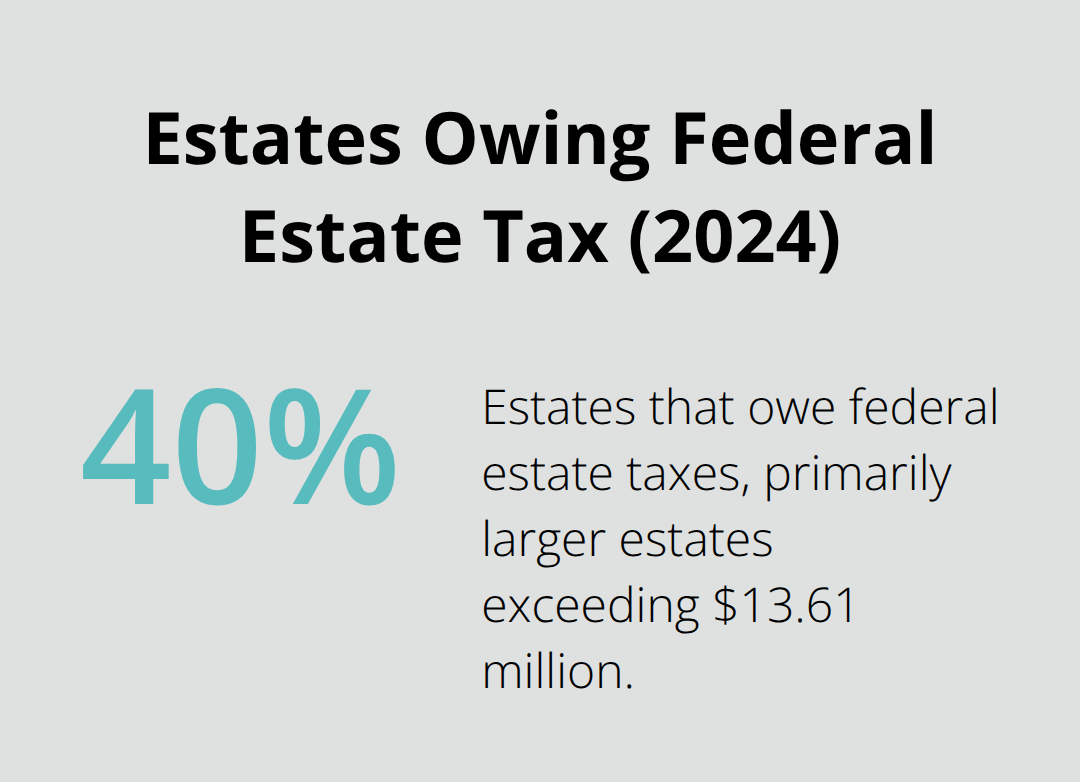
Once the court appoints you as executor or administrator, creditors have four months from the date letters are issued to file claims against the estate. California law fixes this four-month window and cannot shorten it, no matter how eager beneficiaries are to receive their inheritance. During this period, you must identify and pay legitimate debts, file the final income tax return, handle estate taxes if applicable, and cover administration expenses. The order in which debts are paid matters significantly: creditors and the government receive payment first, administration costs come next, and only then do beneficiaries receive what remains. Many executors distribute assets too quickly, only to discover unpaid claims later that create personal liability for the executor. The IRS reports that roughly 40 percent of estates owe federal estate taxes, though this primarily affects larger estates exceeding $13.61 million in 2024. Even smaller estates often owe state taxes or income taxes for the final year, so tax planning cannot be ignored.
Identifying and Paying All Debts
Start by creating a comprehensive list of all debts: mortgage balances, credit card accounts, medical bills, utility bills, and any loans in the deceased person’s name. Contact creditors directly and request statements showing exact balances and final payment dates. Many executors overlook debts because they don’t search thoroughly-check for accounts at multiple financial institutions, old credit cards, and medical providers who may file claims months after death. The California Department of Tax and Fee Administration requires you to file a final income tax return for the estate within specific timeframes, typically by April 15 following the year of death. Many executors overlook this requirement because they assume the deceased person had no income, but final medical bills, rental income, or investment earnings still generate tax obligations. The executor is responsible for settling the deceased person’s debts, and the estate itself may also owe taxes on income earned during probate administration if the estate generates investment returns or rental income.
Managing Administration Costs and Expenses
Administration costs are substantial and often surprising: court filing fees, appraisal fees, publishing notices for creditors, accounting fees, and attorney fees all reduce the estate’s value. In California, probate attorney fees are typically calculated as a percentage of the estate’s gross value, ranging from 4 percent on the first $100,000 down to 0.5 percent on amounts exceeding $10 million, according to California Probate Code Section 10810. Accounting fees for estates average between $1,500 and $3,000 depending on complexity. The key is transparency: keep detailed records of every debt paid, every tax filing, and every expense deducted so beneficiaries understand exactly how their inheritance was calculated. Documentation prevents disputes and demonstrates that you fulfilled your fiduciary duty responsibly. With debts settled and taxes filed, the focus shifts to the final phase of probate-transferring ownership of assets to beneficiaries and resolving any disputes that may arise during distribution.
How to Handle Asset Distribution Without Derailing the Process
Once debts are paid and taxes are filed, you face the final and often most contentious phase of probate: distributing assets to beneficiaries. This is where family tensions surface and mistakes can trigger expensive litigation. The distribution process requires careful coordination between transferring ownership documents, handling disputes, and following the exact order specified in the will. California law is strict about this sequence, and executors who rush distributions or ignore disputes expose themselves to personal liability.
Understanding Why Distribution Takes Time
Asset distribution takes longer than most families expect because each transfer requires documentation, title changes, and sometimes court approval. Real estate transfers demand new deeds prepared by an attorney, which typically cost between $300 and $500 per property. Bank accounts need beneficiary letters or court orders before financial institutions will release funds. Vehicle titles must transfer through the Department of Motor Vehicles, a process that takes two to three weeks in most cases. Many executors underestimate these logistical challenges and promise beneficiaries their inheritance within weeks, only to disappoint them when transfers take months.
Preventing Disputes Through Transparency
Disputes among heirs frequently emerge during distribution, and how you handle them determines whether probate closes smoothly or stalls indefinitely. Common disputes involve disagreements about asset valuations, claims that the will is invalid, or arguments that certain beneficiaries received unequal treatment during the deceased person’s lifetime. California law allows any interested party to file an objection during probate, which forces the court to hold a hearing and make a binding decision. These hearings cost both time and money, with attorney fees for contested probate matters averaging $5,000 to $15,000 depending on complexity.
The key to preventing disputes is transparency: provide every beneficiary with a detailed accounting showing all assets, their valuations, all debts paid, all taxes filed, and all administration expenses deducted. When beneficiaries understand exactly how the estate was managed and why distributions are calculated a particular way, objections become less likely. Some beneficiaries will still disagree, but documentation demonstrates that you acted in good faith and followed the law.
Managing Complex Estates With Professional Guidance
For complex estates with multiple properties, significant business interests, or family conflict, an attorney can guide the distribution process and protect you from liability. We at Law Offices of Roshni T. Desai offer personalized guidance through these challenging phases of probate administration.
Executing Precise Title Transfers
Title transfers demand precision because improper documentation can create ownership problems years later. Real estate deeds must identify the property correctly, list beneficiaries by their legal names, and include the executor’s authority to transfer ownership. Bank accounts transfer through beneficiary designation forms or court orders, depending on whether the account had a named beneficiary. Investment accounts follow similar procedures, though some brokerages require additional documentation proving your authority as executor. Vehicle titles transfer at the DMV with the original title, a death certificate, and proof of your appointment as executor.
Documenting Every Transfer
Keep copies of every transfer document and maintain a master checklist showing which assets have transferred and which remain pending. This documentation protects you if beneficiaries later claim they never received their inheritance or if disputes arise about transfer dates. Proper records demonstrate that you fulfilled your fiduciary duty responsibly and acted with care throughout the distribution phase.
Final Thoughts
Estate probate administration spans six months to over a year for straightforward estates, with each phase building on the previous one and creating consequences if you miss deadlines. The court hearing appoints you as executor, the 60 to 90-day asset inventory period follows, the four-month creditor claim window opens next, and the final distribution phase completes the process. Rushing through early steps often creates expensive problems during distribution that cost thousands in additional legal fees to resolve.
Professional guidance streamlines the entire process by handling court filings, coordinating with creditors and tax authorities, managing asset valuations, and preparing precise transfer documents. An attorney catches mistakes before they become expensive problems and protects you from personal liability by ensuring every step follows California law. Contact Law Offices of Roshni T. Desai to discuss your situation and understand your options.
After probate closes and the court approves your final accounting, you file a petition for discharge, which formally releases you from your duties as executor. At that point, the estate is settled, beneficiaries have received their inheritance, and the deceased person’s financial affairs are completely resolved.