



Probate Attorney for Estates in Santa Ana, California: Handling Real Estate and Heirs
Probate in Santa Ana involves navigating property transfers, heir disputes, and court procedures that can feel overwhelming without proper guidance. Real estate complications and family disagreements often make the process longer and more expensive than necessary.
We at Law Offices of Roshni T. Desai help families work through probate by addressing property issues and settling conflicts fairly. This guide covers what Santa Ana probate courts handle, how to manage real estate distribution, and practical steps to protect your estate and heirs.
What Santa Ana Probate Courts Actually Handle
Where Probate Happens and What It Covers
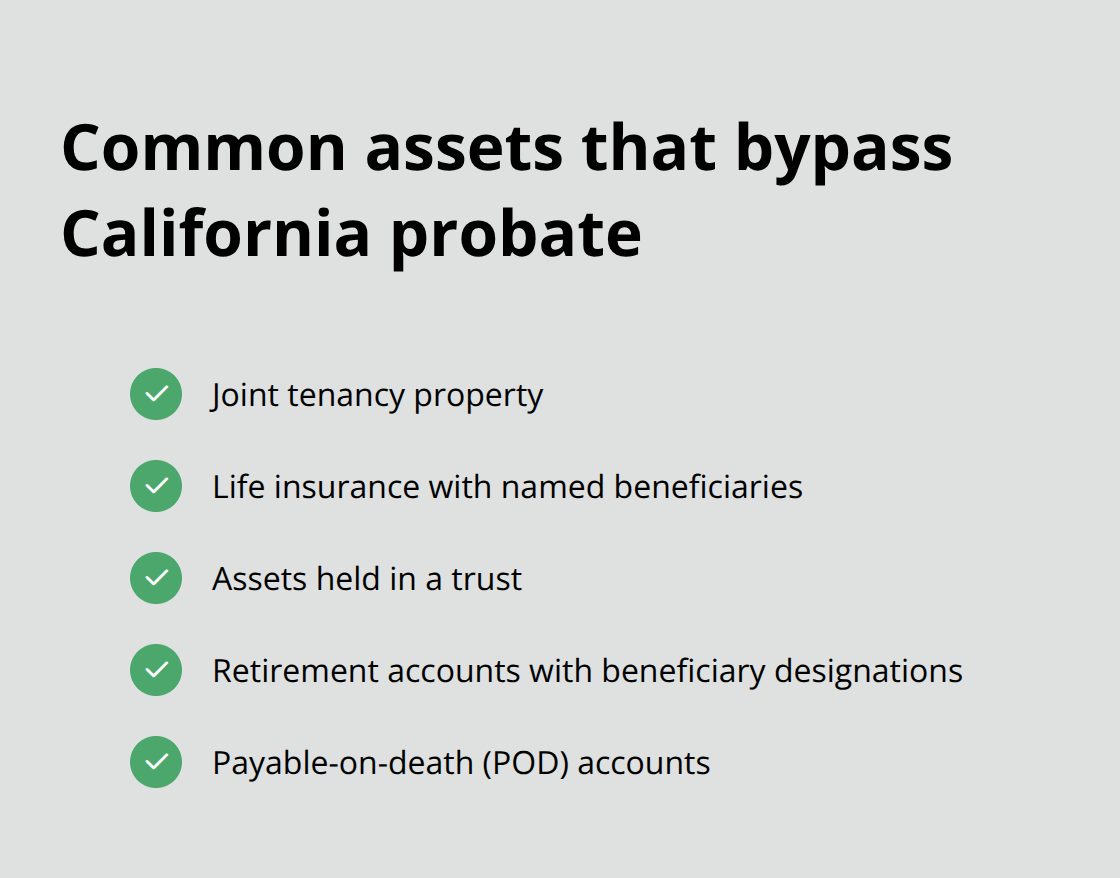
Santa Ana probate court, located at the Central Justice Center, oversees the legal process to administer estates after someone dies. The court validates wills, inventories assets, pays debts and taxes, and distributes remaining property to beneficiaries. Not all estates require probate-property held in joint tenancy, life insurance with named beneficiaries, assets in a trust, retirement accounts with beneficiary designations, and POD accounts bypass probate entirely and pass directly to beneficiaries.
When California Intestate Laws Apply
California intestate succession laws apply when no will exists, and the court appoints a personal representative to identify assets, notify heirs, pay debts, and distribute property according to state law rather than the decedent’s wishes. This matters because the distribution may differ from what the deceased person wanted informally, which can lead to disputes among family members.
Simplified Probate for Smaller Estates
Estates under $750,000 (as of April 1, 2025) qualify for simplified probate, which offers a faster, lower-cost alternative to full probate. This process involves filing a Petition to Determine Succession to Real Property instead of going through standard court proceedings, reducing both time and expense.
The Probate Timeline and Key Steps
The probate process in Santa Ana typically takes 12 to 18 months, though simple estates may settle sooner and complex cases involving real estate disputes or contested wills can stretch beyond two years. The first step requires filing the original will with Orange County Superior Court’s Probate Division within 30 days of death, then filing a Petition for Probate to request appointment as executor and obtain Letters Testamentary from the court. All heirs and beneficiaries must receive notice that probate has begun.
After appointment, you inventory all assets and file an Inventory and Appraisal with the court; a probate referee appointed by the court values non-cash assets. Known and potential creditors receive notice and have four months to file claims against the estate. During months five through twelve, you pay legitimate creditor claims, final bills, and administration expenses from estate funds, file the decedent’s final personal income tax return, and handle any required estate income tax returns.
Costs and Professional Support
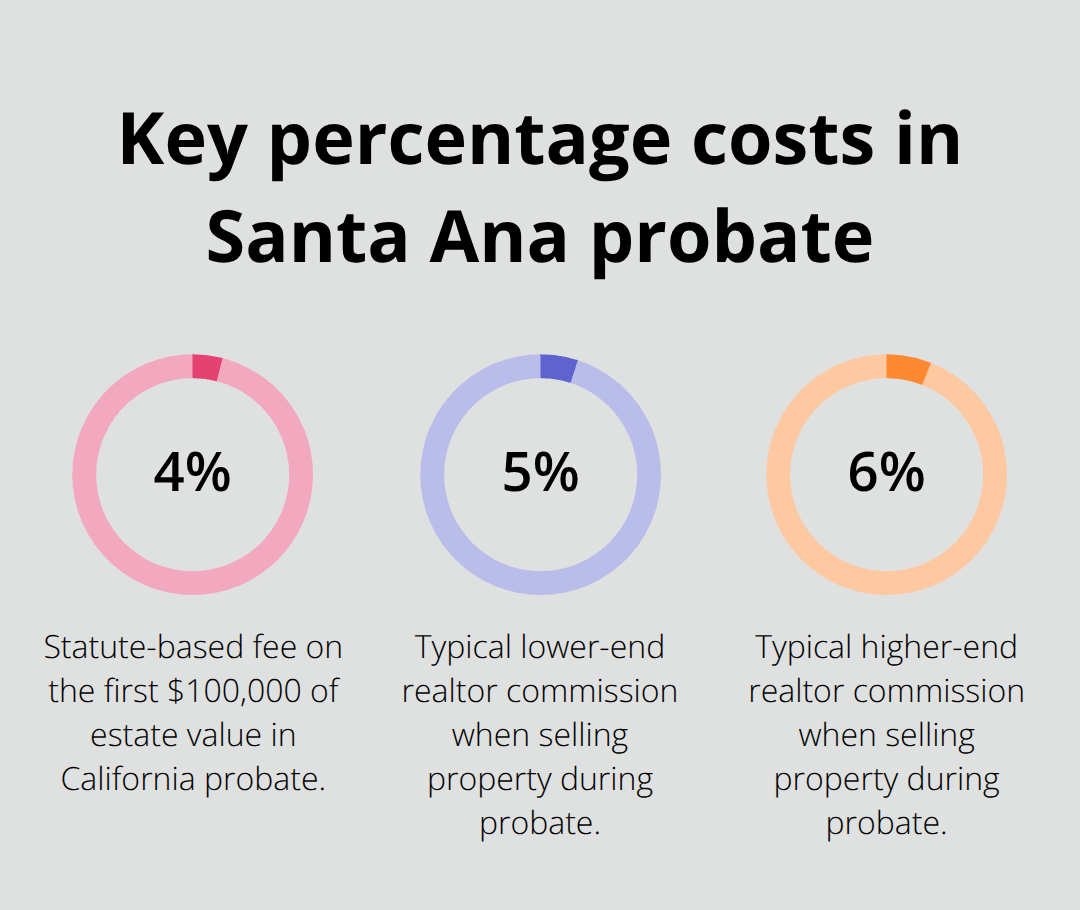
California probate fees are statute-based and tied to estate value-approximately 4 percent of the first $100,000, with different brackets for higher values-and the estate itself pays these fees. After the creditor claims window closes and debts and taxes are paid, you file a Final Petition and Accounting with the court; once approved, the court issues an order for final distribution. The executor is not alone through this process; attorney fees are paid by the estate, and hiring legal representation helps navigate strict deadlines and complex paperwork that otherwise lead to costly delays and mistakes. Real estate complications often emerge during this phase, requiring careful attention to property valuation, title issues, and distribution strategy.
How Real Estate Complicates Probate in Santa Ana
Why Property Demands Immediate Attention
Real estate often becomes the most contentious and time-consuming element of probate administration. Property cannot transfer quickly like bank accounts or personal items-it requires appraisal, title verification, potential sale coordination, and court approval before transfer. Many executors underestimate how much attention real property demands, leading to delays that extend the entire probate timeline beyond the typical 12 to 18 months.
The moment you receive appointment as executor, obtain a professional appraisal of any real estate in the estate. This step is non-negotiable and the court requires it anyway through the probate referee process. Title issues frequently surface during this phase-liens, easements, boundary disputes, or clouded ownership can halt distribution for months. Address title problems immediately rather than hoping they resolve during probate; a title company identifies issues early, and clearing them before distribution prevents far more expensive litigation later.
Deciding Between Sale and Distribution
If the estate includes rental property or a home with a mortgage, you must decide whether to sell the property to pay debts and taxes or distribute it to heirs. Selling during probate requires court approval, and the sale process itself takes 30 to 90 days depending on market conditions, creating additional delays. When multiple heirs claim the same property, disagreements arise over whether to sell and split proceeds or transfer ownership to one heir while compensating others.
This decision directly impacts estate value-selling may incur realtor commissions of 5 to 6 percent and closing costs, whereas transferring property to one heir avoids those fees but requires the estate to pay other heirs their share in cash from remaining assets. Some families attempt informal agreements, but these often fail when emotions run high or heirs change their minds mid-probate.
Written documentation of any agreed-upon distribution method protects the executor from later accusations of favoritism.
Resolving Property Ownership Disputes
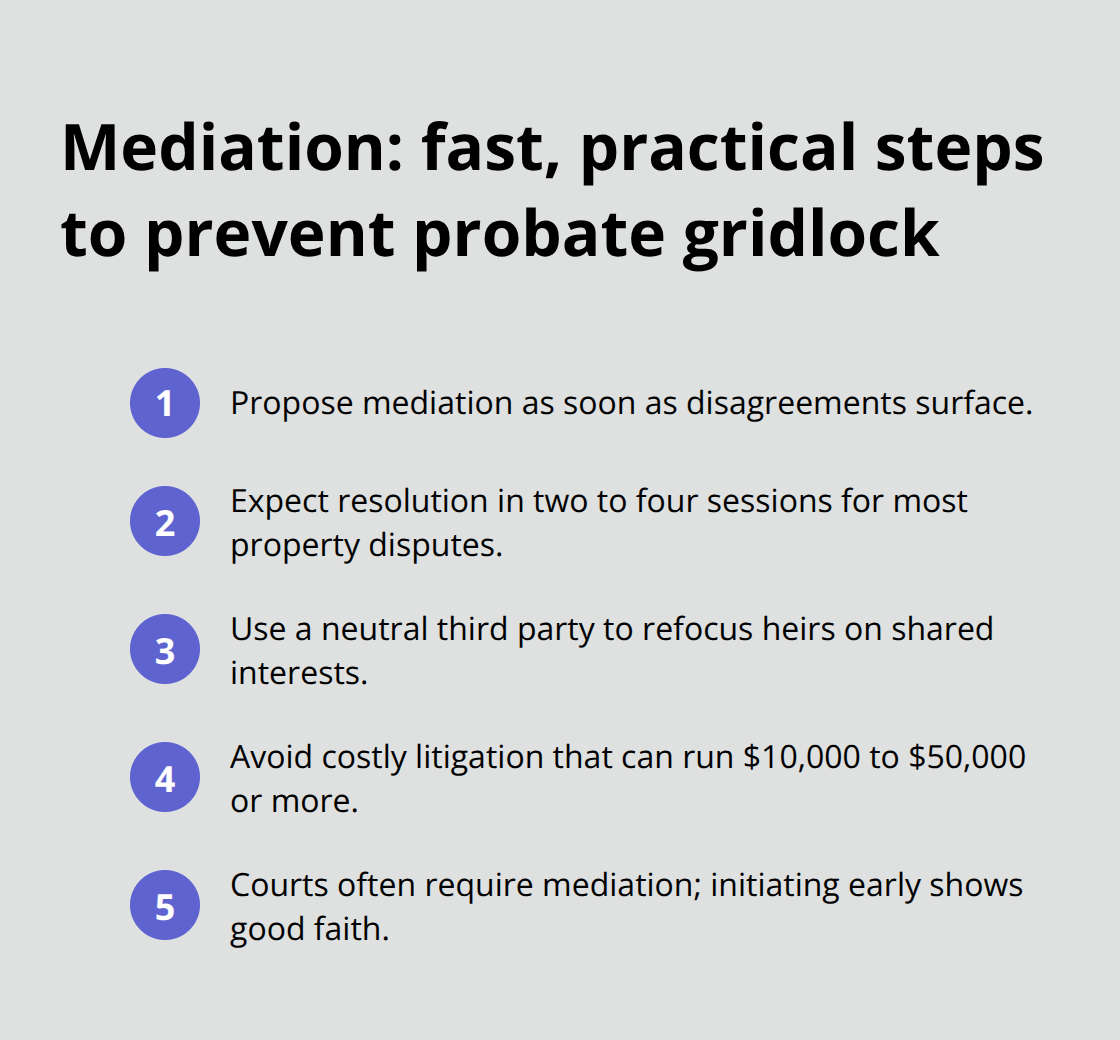
Property ownership disputes-where heirs disagree over who should receive real estate or contest the will’s property provisions-require either mediation or court intervention. Mediation costs $1,000 to $3,000 per session but typically resolves property conflicts in two to four sessions, far cheaper than litigation that can cost $10,000 to $50,000 or more. If property ownership disputes cannot be settled through mediation, probate litigation becomes necessary, extending the timeline by six months to two years depending on case complexity.
Document every communication with heirs about property distribution, maintain detailed appraisals and title reports in the probate file, and consider hiring a probate attorney early if multiple heirs claim the same real estate. The upfront legal cost saves money compared to unresolved disputes that spiral into expensive court battles. We at Law Offices of Roshni T. Desai use Ms. Desai’s dual licensure as both attorney and real estate professional to streamline property sales and identify the most cost-effective distribution strategy for your specific situation.
These property complications often trigger broader conflicts among heirs that extend far beyond real estate decisions alone.
Managing Heir Conflicts and Estate Distribution
What Triggers Disputes Among Heirs
Disagreements between heirs over estate distribution rarely stem from a single issue-property disputes trigger larger conflicts about fairness, control, and family dynamics that fester throughout probate. The most common conflicts involve one heir believing they deserve more than the will specifies, disagreement over whether to sell real estate or distribute it, accusations that the deceased was unduly influenced when writing the will, or disputes about the executor’s competence and transparency. When multiple heirs claim the same asset or one heir questions the executor’s decisions, probate stalls immediately.
The Cost of Unresolved Disputes
The average mediation session costs $1,000 to $3,000, while litigation over estate disputes runs $10,000 to $50,000 or more and extends probate by six months to two years. This means settling disagreements early through structured communication or mediation saves both money and time. Waiting for tensions to escalate into litigation wastes estate resources that should go to beneficiaries instead.
Establishing Written Agreements Before Distribution
The most effective approach involves establishing clear written agreements before distribution occurs. Document every communication with heirs about how assets will be divided, why certain decisions were made regarding property sales or distributions, and what each heir receives. Many executors avoid written summaries thinking it creates unnecessary formality, but this mistake leads to accusations of favoritism and mismanagement later.
Schedule regular family meetings if multiple heirs exist, provide written updates on estate progress every 30 to 60 days, and be specific about numbers-not vague statements like the property will be handled fairly. Written documentation of any agreed-upon distribution method protects the executor from later accusations of favoritism.
Using Mediation to Resolve Property and Distribution Conflicts
If disagreements emerge during these conversations, propose mediation immediately rather than waiting for tensions to escalate into litigation. Mediation typically resolves property ownership disputes in two to four sessions because a neutral third party helps heirs focus on shared interests rather than entrenched positions. Courts in Orange County recognize mediation as the standard first step before litigation, and judges often require it anyway, so initiating it voluntarily demonstrates good faith to all parties.
We at Law Offices of Roshni T. Desai guide families through these conversations and mediation processes, ensuring documentation supports fair distribution and protects the executor from later disputes.
Final Thoughts
Probate in Santa Ana demands attention to detail, clear communication with heirs, and strategic decisions about real estate that directly impact both timeline and cost. Without proper guidance, executors face mounting pressure from conflicting heir expectations, title complications, and court deadlines that stretch probate beyond 18 months and drain estate resources through preventable mistakes and disputes. A probate attorney for estates helps you navigate these complexities by handling court filings, coordinating property appraisals and sales, and mediating heir disagreements before they escalate into expensive litigation.
The upfront investment in legal representation typically saves families thousands of dollars compared to the cost of unresolved disputes, delayed distributions, and property complications that spiral without professional oversight. Ms. Desai’s dual licensure as both attorney and real estate professional means we streamline property sales and identify cost-effective distribution strategies that other firms cannot offer. We handle wills, trusts, powers of attorney, and complete probate administration while offering free consultations with flexible home or office visits to fit your schedule.
Contact us for a free consultation to discuss your specific situation, timeline concerns, and questions about protecting your estate and heirs. We guide families through probate from start to finish with clear communication and personalized attention to your family’s needs. Visit Law Offices of Roshni T. Desai to schedule your consultation today and take control of your probate process rather than letting delays and disputes control you.