




Understanding Probate Attorney Free Consultation: What to Ask First
Losing a loved one is hard enough without navigating probate alone. A probate attorney free consultation gives you a chance to ask the right questions before committing to representation.
At Law Offices of Roshni T. Desai, we help families understand what to expect and what to watch for when selecting legal guidance. This guide walks you through the key questions and red flags that matter most.
What Happens During Your First Meeting
Most probate consultations last 45 to 90 minutes, depending on how complex your situation is. The attorney will spend time understanding your estate, the deceased’s assets and debts, and whether disputes or complications exist. You’re not committing to anything during this meeting-it’s your chance to evaluate whether this attorney understands your needs and can communicate clearly.
Why You Should Interview Multiple Attorneys
Many attorneys offer these consultations for free, which means you can interview multiple lawyers before deciding who to hire. This approach protects you from making a hasty decision based on the first person you meet. You’ll notice differences in how attorneys explain probate, how they structure their fees, and how responsive they are to your questions. Some attorneys will rush through the meeting; others will take time to understand your specific circumstances. The difference matters significantly when you’re managing an estate.
Documents to Bring to Your Consultation
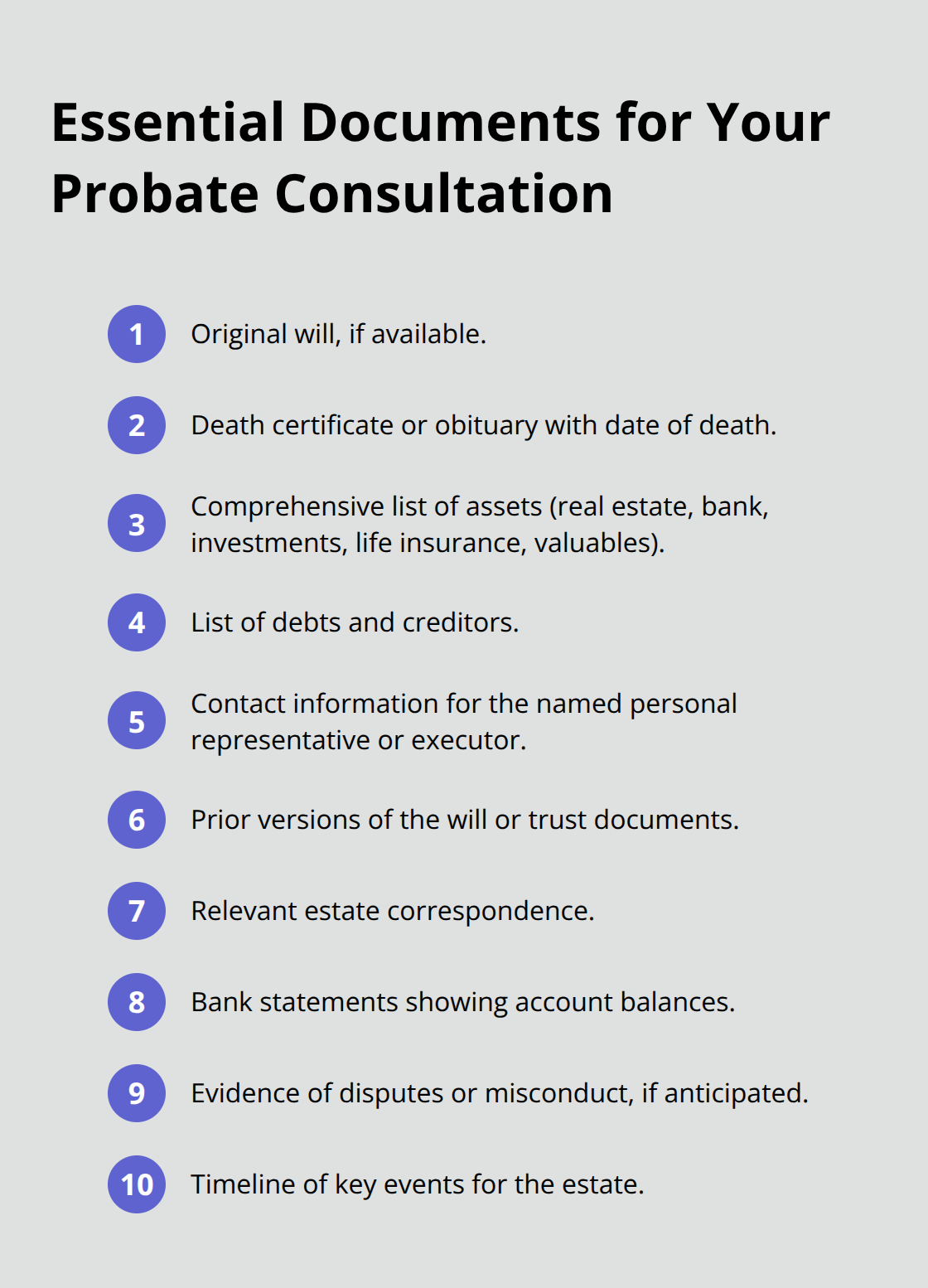
Come prepared with an organized set of documents and a written list of questions. Bring the original will if one exists, the death certificate or obituary with the date of death, and a comprehensive list of all assets the deceased owned (real estate, bank accounts, investment accounts, life insurance policies, and valuable personal property). Also bring a list of all debts and creditors. If there’s a named personal representative or executor, have their contact information ready.
Gather any prior versions of the will or trust documents, relevant correspondence about the estate, and bank statements that show account balances. If you anticipate disputes among heirs or beneficiaries, bring evidence of misconduct or communications that support your concerns. Write down a timeline of key events-when the person died, when you discovered problems, and when you first contacted the attorney’s office. This timeline helps the attorney understand the urgency and complexity of your case.
Questions the Attorney Will Ask You
The attorney will ask about your relationship to the deceased, whether you’re the executor or a beneficiary, and what specific concerns brought you in. They’ll want to know if you expect disputes among family members, whether anyone is challenging the will, or if you suspect undue influence or capacity issues. Be honest about family dynamics and any existing conflicts. The attorney needs this information to assess whether your case will be straightforward or contentious.
They’ll also ask about your goals-whether you want to minimize conflict, protect certain beneficiaries, or challenge questionable decisions made by the executor. During this conversation, watch how the attorney responds. Do they explain probate in plain language, or do they use jargon without checking if you understand? Do they listen to your concerns, or do they seem rushed and dismissive? An attorney who takes time to understand your situation will ask follow-up questions and take notes. This responsiveness signals whether they’ll remain engaged throughout your case.
Questions to Ask About Fees, Timeline, and the Executor’s Role
Understanding Fee Structures and Cost Breakdowns
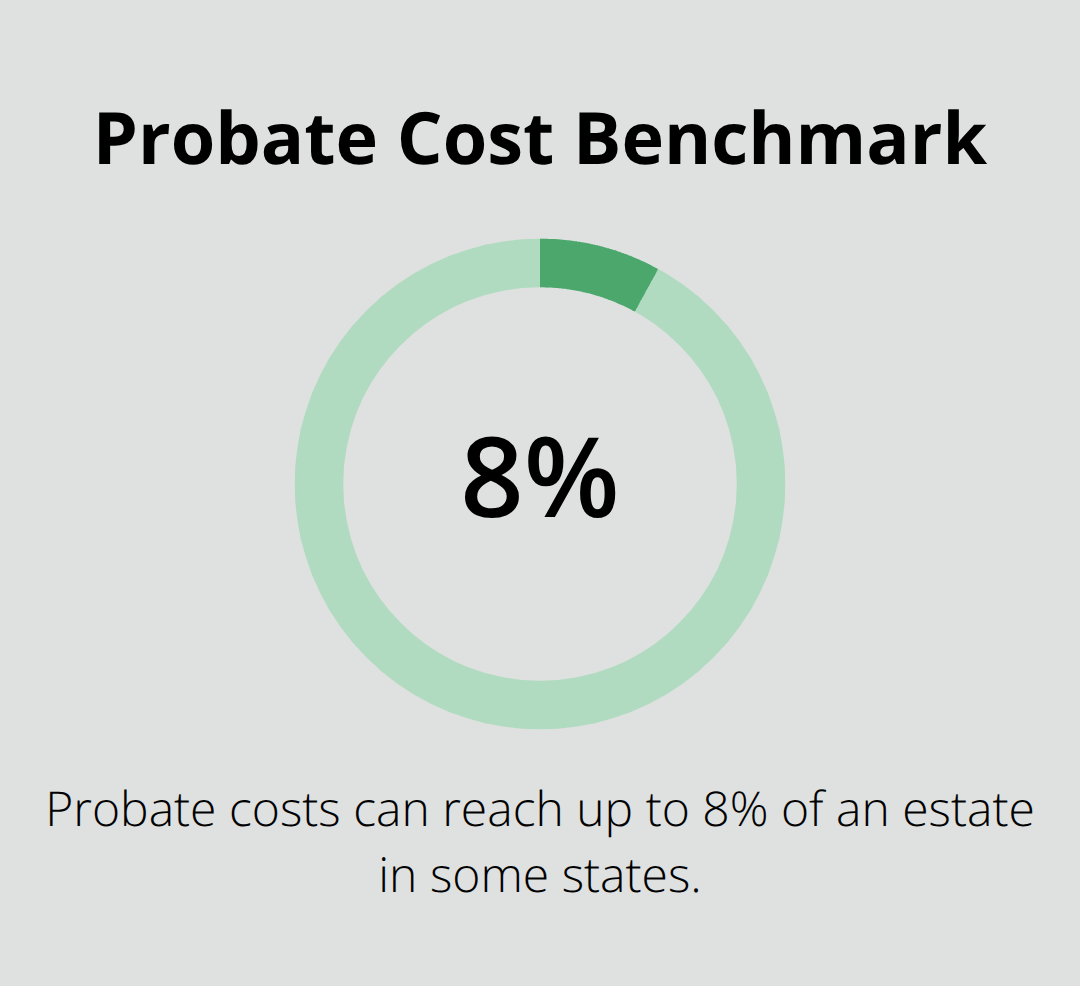
Probate costs can reach up to 8% of an estate in some states, which is why understanding your attorney’s fee structure upfront matters more than most people realize. During your consultation, ask whether the attorney charges hourly rates, flat fees, or a percentage of the estate’s value. Each structure carries different trade-offs. Hourly rates give you transparency on what you’re paying for, but the final bill depends on how long probate takes.
Flat fees provide predictability, though they work best for straightforward estates. Percentage-based fees align the attorney’s interests with yours-they want the process to move efficiently-but this model is less common in California probate.
Ask specifically about court costs, filing fees, appraisal expenses, and whether the attorney’s staff handles routine work at lower billing rates. A reputable attorney provides a written fee agreement before you hire them, outlining exactly what you’ll pay and under what circumstances costs might increase. Don’t accept vague answers like “we’ll discuss costs later.” This written agreement protects both you and the attorney by setting clear expectations from the start.
Realistic Timelines Based on Your Estate’s Complexity
Timeline questions reveal whether the attorney understands your situation and can manage expectations realistically. Probate timelines vary dramatically based on estate complexity, court backlogs, and whether disputes exist. Ask the attorney how long probate typically takes for estates similar to yours and what factors could extend the process. A straightforward estate with no disputes might close in 6 to 12 months, while contested cases involving will challenges or beneficiary disputes can stretch to three years or longer.
Court backlogs in your county directly impact timelines, so ask whether the attorney factors this into their estimates. An attorney who acknowledges local court delays demonstrates practical knowledge of your jurisdiction. This honesty helps you plan ahead and avoid frustration when probate takes longer than you initially hoped.
The Executor’s Responsibilities and Your Attorney’s Role
Clarify the executor’s actual responsibilities-they’re sworn in by the probate court and carry a fiduciary duty to manage the estate responsibly. Ask whether the attorney will handle most executor duties or whether the executor must do much of the legwork. Some attorneys guide executors through each step; others expect more independence. Understanding this division of labor prevents confusion and frustration as your case progresses.
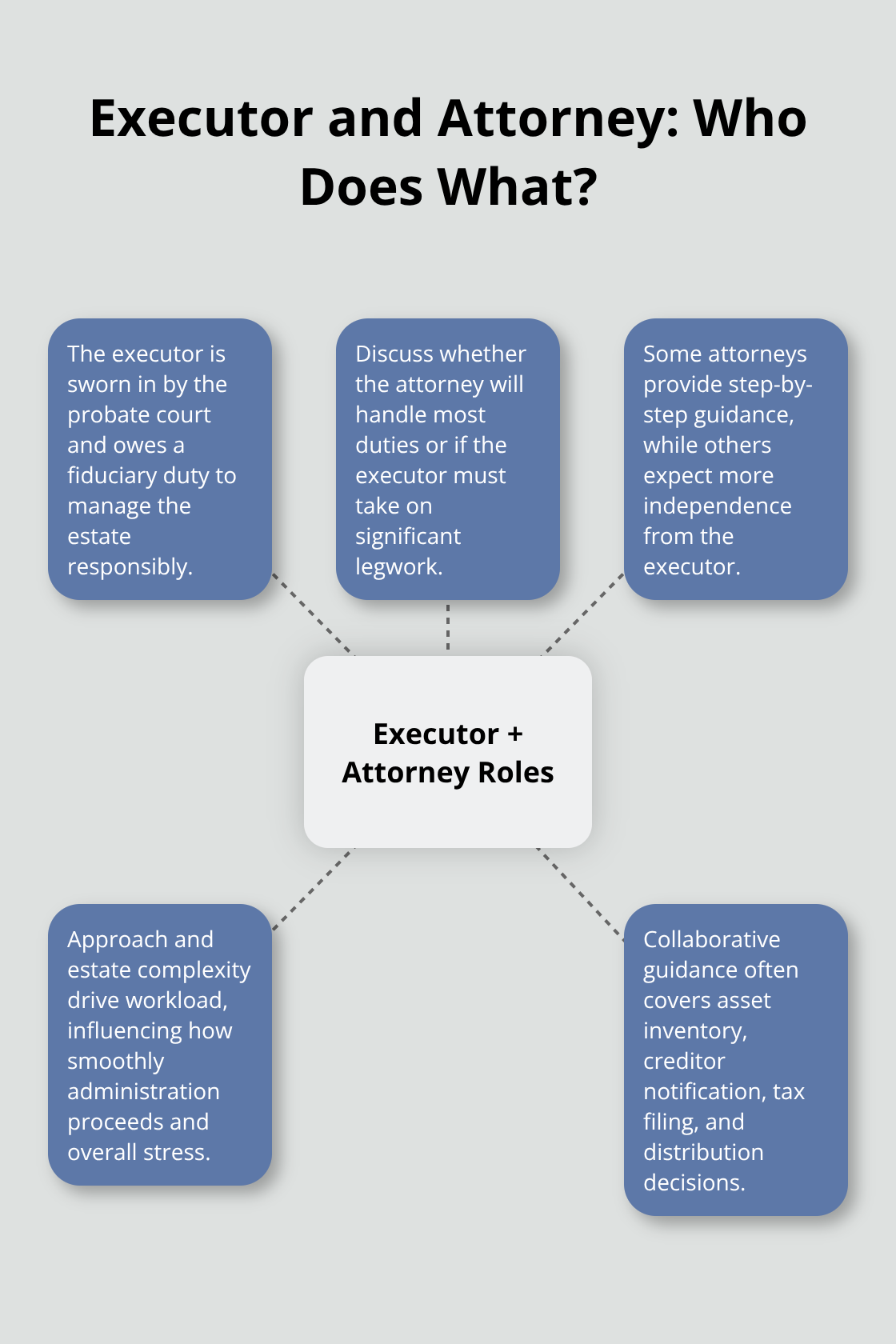
The executor’s workload varies significantly depending on the attorney’s approach and your estate’s complexity. A collaborative attorney walks the executor through asset inventory, creditor notification, tax filing, and distribution decisions. An attorney who expects executor independence may provide less guidance, placing more burden on someone who may have no prior experience managing estates. This distinction directly affects how smoothly your probate process unfolds and how much stress the executor experiences throughout the administration.
Red Flags That Signal the Wrong Attorney
Vague Fee Estimates and Hidden Costs
An attorney who avoids providing a written fee estimate sends a clear warning signal. If they say costs depend on how the case unfolds or promise to discuss fees later, walk away. Probate costs can reach up to 8% of an estate in some states, and vague pricing creates the perfect environment for bill shock. A trustworthy attorney provides a written fee agreement upfront that specifies hourly rates, flat fees, or percentage-based charges, plus itemized costs for court filings, appraisals, and other expenses. If an attorney resists putting this in writing, they are either disorganized or hiding something.
Unrealistic Timeline Promises
The same caution applies to timeline estimates. An attorney who guarantees probate will close in six months without asking detailed questions about your estate’s complexity is either lying or inexperienced. Realistic timelines depend on court backlogs in your county, the number of assets, creditor claims, and whether disputes exist. Ask the attorney how long similar cases took in your jurisdiction and what factors caused delays. If they give vague answers or seem unfamiliar with local court procedures, they lack the practical knowledge your case needs.
Poor Communication and Unexplained Jargon
An attorney who uses probate jargon without explaining it in plain language creates unnecessary confusion when you are already stressed. If they talk about fiduciary duties, intestate succession, or creditor claims without checking whether you understand, they are either testing your knowledge or do not care if you are lost. You should never feel embarrassed asking for clarification, and a good attorney expects these questions.
Watch for dismissiveness when you ask follow-up questions. If they rush through your concerns or act irritated by your need for clarity, their communication style will not improve once you hire them. An attorney who refuses to explain the probate process or executor responsibilities in simple terms will leave you feeling powerless throughout administration. Trust your instincts about whether someone can communicate clearly, because this relationship requires ongoing dialogue over months or years.
Final Thoughts
After meeting with multiple attorneys, you’ll notice clear differences in how they communicate, structure fees, and understand your situation. The attorney who takes time to answer your questions thoroughly and explains probate in plain language is the one who will serve you best. Trust your instincts about whether someone listens to your concerns or rushes through them.
Before making your final decision, review the written fee agreement carefully and confirm that all costs are itemized and that the timeline estimate reflects your county’s court backlogs and your estate’s actual complexity. Ask yourself whether the attorney demonstrated knowledge of probate law specific to your jurisdiction or spoke in generalities. The right attorney will have answered your questions about the executor’s responsibilities clearly and shown you exactly how they’ll guide the process.
We at Law Offices of Roshni T. Desai offer a probate attorney free consultation that gives you the chance to ask these essential questions in a comfortable setting, whether you prefer meeting at our office or your home. Contact us to schedule your consultation and take the first step toward managing your estate with care and confidence.