




Trust Administration Attorney Services: Comprehensive Support
When someone passes away, their trust doesn’t manage itself. The person named to handle it faces tax deadlines, beneficiary questions, and potential family disagreements-all while following strict legal rules.
We at Law Offices of Roshni T. Desai help trustees navigate trust administration attorney services with clarity and confidence. This guide walks through what trust administration actually involves, the obstacles you’ll encounter, and why having professional support makes a real difference.
What Happens During Trust Administration
Identifying and Valuing Trust Assets
Trust administration starts the moment a trustee takes control of the trust assets, and the work is far more detailed than most people realize. The trustee must identify every asset the trust owns, from bank accounts and investment portfolios to real estate and business interests. This inventory step matters because missing assets creates problems down the road, especially when beneficiaries discover something was overlooked.
Next comes valuation: a trustee needs current market values for all assets to calculate fair distributions and determine tax liability. For real estate, this often requires a professional appraisal. Bank statements and investment account statements provide values for liquid assets, but outdated information leads to errors.
Transferring Ownership Into the Trust
Once assets are identified and valued, the trustee opens a trust bank account and begins transferring ownership into the trust’s name. This is where details matter enormously. A deed for real property must be recorded correctly, investment accounts need title changes processed through brokers, and business ownership records must be updated. Any misstep here delays distributions and frustrates beneficiaries.
Filing Taxes and Maintaining Records
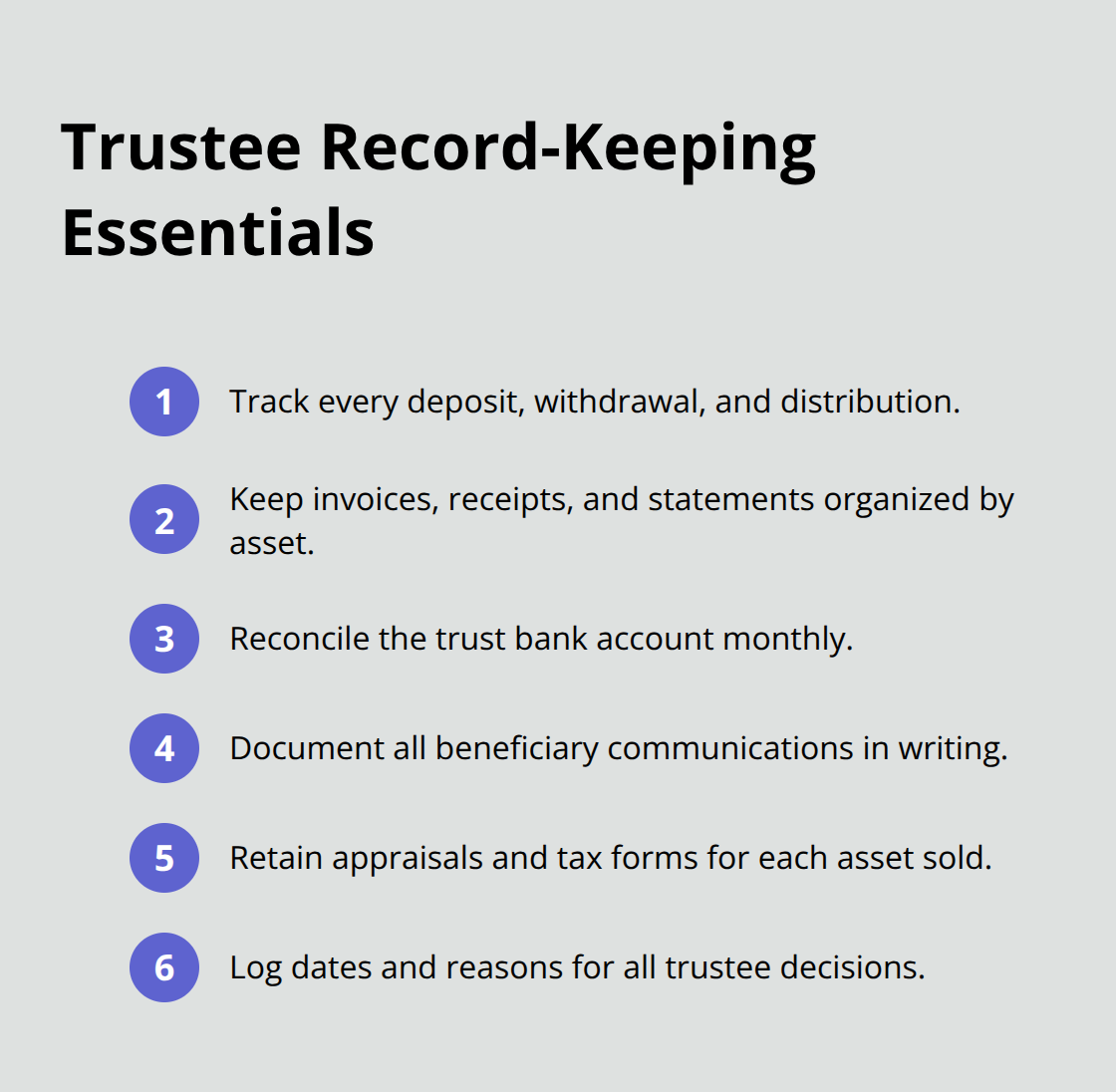
Taxes in trust administration are non-negotiable, and they’re more complex than most trustees expect. The trustee must file a final income tax return for the deceased person, obtain a tax identification number for the trust itself, and file annual trust tax returns for any year the trust generates income. These aren’t simple forms. Trust tax returns require detailed accounting of all income, deductions, and distributions to beneficiaries.
If the trust holds appreciated assets, capital gains taxes apply when those assets are sold or distributed. The trustee pays these taxes on time, and late payments trigger penalties. Many trustees underestimate how much record-keeping this demands. Every transaction-every deposit, withdrawal, and distribution-must be documented and reconciled. A trustee who distributes funds without proper accounting creates liability for themselves and opens the door to beneficiary disputes.
Understanding Estate Tax Obligations
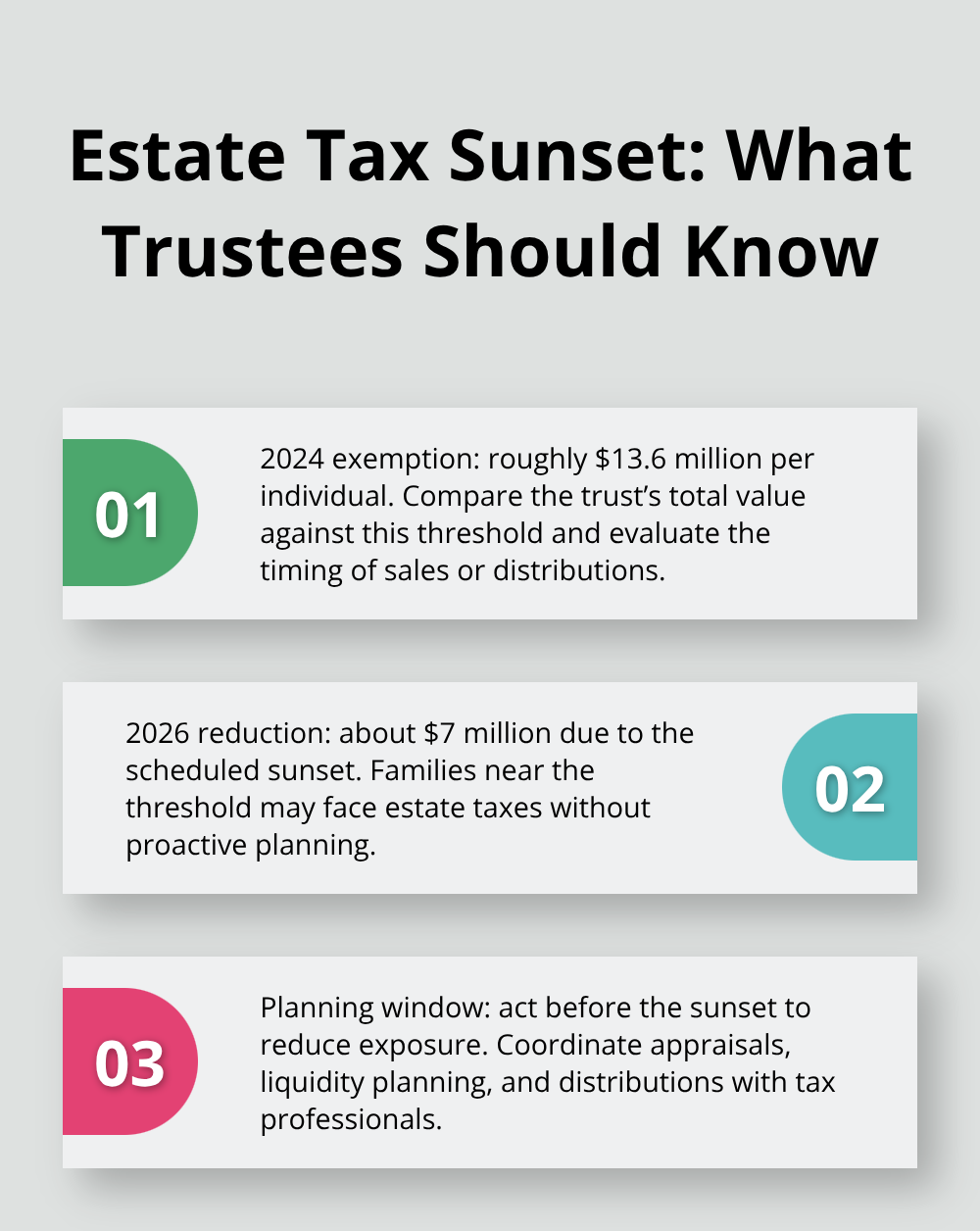
Beyond income taxes, the trustee may owe estate taxes if the trust’s total value exceeds the federal exemption threshold. Currently, the exemption sits at roughly 13.6 million dollars per individual in 2024 but is scheduled to drop to about 7 million dollars in 2026. This sunset means families with substantial estates face urgent planning needs before that date arrives.
Beneficiaries expect clear, accurate accounting of what they receive and when, and sloppy record-keeping destroys trust in the trustee’s judgment. These financial and legal complexities often reveal why trustees benefit from professional guidance when family conflict and communication breakdowns enter the picture.
What Makes Trust Administration So Difficult
Legal Requirements Vary by State and Demand Precision
Trust administration creates problems that most trustees don’t anticipate until they’re knee-deep in the work. The legal requirements alone demand attention to state-specific rules, federal tax codes, and trust document language that often contradicts what beneficiaries expect. Many states require trustees to provide detailed accountings to beneficiaries within specific timeframes, and missing those deadlines opens the trustee to legal liability. California, for example, mandates that trustees inform beneficiaries of their rights and the trust terms under Probate Code Section 16061.5. Trustees who fail to notify beneficiaries or provide incomplete information frequently trigger disputes that could have been prevented with proper communication from day one.
Managing Multiple Properties and Asset Types Multiplies Complexity
The real challenge surfaces when a trustee holds multiple properties with different title structures, manages investment accounts across different institutions, or oversees business interests that generate ongoing income. A trustee managing a rental property inside the trust must handle tenant issues, maintenance costs, and property tax payments while simultaneously managing investment portfolios and preparing tax returns. Each asset type carries its own compliance rules. Real estate requires property tax payments and potential reassessment filings, investment accounts demand prudent investment decisions aligned with state law standards, and business interests may require active management or sale decisions that affect distributions. The trustee must balance these competing demands without making mistakes that trigger beneficiary claims or tax penalties.
Family Conflict Transforms Administration Into an Emotional Minefield
Family conflict transforms administration from a paperwork problem into an emotional minefield. When beneficiaries disagree about distributions, asset sales, or the trustee’s decisions, communication breaks down quickly and resentment builds. One beneficiary might question why the trustee sold the family home, while another wants immediate distributions and a third believes certain assets should go to charity per the trust terms. These disagreements rarely resolve through conversation alone because each person reads the trust document differently and brings their own financial pressures to the table. Trustees caught between competing beneficiary demands often make decisions that satisfy no one and create liability for themselves.
Lack of clear communication early on escalates minor disagreements into costly litigation that consumes trust assets and damages relationships permanently. The trustee’s job becomes nearly impossible when family members don’t understand the trust terms or question the trustee’s motives. Without professional guidance to interpret the trust document, explain decisions to beneficiaries, and mediate conflicts, a trustee faces constant pressure and the real risk of beneficiary lawsuits that drain both time and money.
These obstacles-legal complexity, multiple asset types, and family tension-explain why trustees benefit from professional support. An attorney can clarify the trustee’s obligations, communicate with beneficiaries on the trustee’s behalf, and resolve disputes before they escalate into litigation.
When Should You Hire a Trust Administration Attorney
Avoiding Costly Mistakes That Drain Trust Assets
Attempting trust administration without professional guidance often costs more in the long run than hiring an attorney from the start. A trustee who makes tax mistakes, misses state-specific deadlines, or fails to communicate properly with beneficiaries opens themselves to personal liability and potential lawsuits that drain the trust’s assets. Trustees spend months trying to interpret trust language, only to discover they misunderstood their obligations. The moment a trustee realizes the trust holds multiple properties, investment accounts, or generates significant income, the complexity demands professional guidance. An attorney reviews the trust document, identifies every obligation the trustee faces, and creates a clear roadmap for administration. This clarity prevents costly errors.
For example, if a trust holds appreciated real estate and the trustee doesn’t understand capital gains tax treatment, the resulting tax bill can be substantially larger than necessary. An attorney applies step-up basis rules correctly and times asset distributions to minimize tax impact. This tax planning alone often pays for the attorney’s fees many times over.
Protecting the Trustee From Liability and Disputes
An attorney handles beneficiary communication on the trustee’s behalf, which protects the trustee from accusations of bias or self-dealing. When a beneficiary questions a distribution decision or challenges the trustee’s conduct, documented attorney guidance provides the trustee with a strong defense. State laws like California’s Probate Code Section 16061.5 require trustees to inform beneficiaries of their rights within specific timeframes, and failing to meet these requirements triggers automatic liability. An attorney ensures compliance with these notification rules and maintains thorough documentation of every communication sent to beneficiaries.
Family conflict escalates quickly when beneficiaries feel excluded or confused about trust administration decisions. An attorney explains the trust terms to beneficiaries in writing, addresses their questions directly, and mediates disputes before litigation becomes necessary. When disputes do arise, an attorney negotiates with beneficiaries and their counsel to reach resolution without court involvement, which saves both time and money. The alternative-beneficiaries hiring their own attorneys and filing claims against the trustee-consumes trust assets rapidly and damages family relationships permanently.
Determining Fair Compensation and Managing Ongoing Obligations
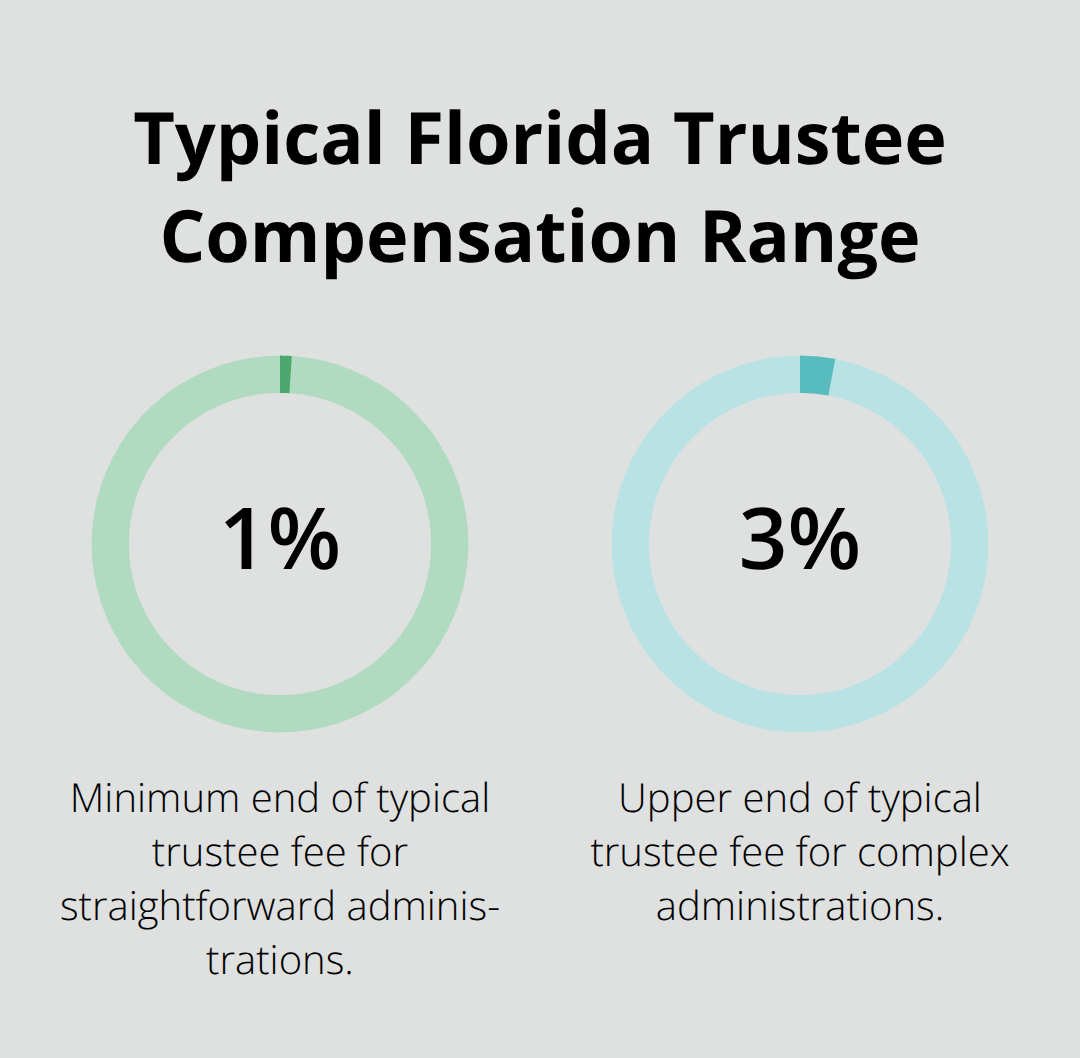
Under Florida law, trustees are entitled to reasonable compensation, typically 1 percent to 3 percent of trust assets, depending on the agreement and the complexity of administration. An attorney helps determine appropriate trustee fees while ensuring the trustee receives fair payment for their work. This professional guidance transforms administration from a source of stress and conflict into a manageable process with clear deadlines, documented decisions, and protected relationships. Hiring an attorney upfront costs far less than defending against beneficiary litigation after the fact.
Final Thoughts
Trust administration demands attention to detail, legal compliance, and clear communication with beneficiaries. The obstacles are real: tax deadlines arrive quickly, state-specific rules create confusion, and family disagreements escalate without proper guidance. Trustees who attempt administration alone often spend months interpreting trust language, miss critical deadlines, or make decisions that trigger beneficiary disputes and personal liability.
Professional trust administration attorney services protect both the trustee and the beneficiaries by clarifying obligations, preventing costly mistakes, and resolving conflicts before litigation becomes necessary. An attorney ensures tax filings meet deadlines, asset distributions follow the trust terms precisely, and beneficiaries receive clear communication about their rights and the trustee’s decisions. This professional guidance transforms administration from a source of stress into a manageable process with documented decisions and protected relationships.
We at Law Offices of Roshni T. Desai help trustees navigate complex legal requirements, communicate effectively with beneficiaries, and avoid the mistakes that drain trust assets and damage family relationships. Contact us for a free consultation to discuss your specific situation and learn how professional support can protect your interests and ensure proper administration.