




Estate Planning Probate Coordination: Aligning Plans With Probate Realities
Most people create an estate plan and assume it’s complete. What they don’t realize is that probate can fundamentally change how that plan actually works.
At Law Offices of Roshni T. Desai, we see clients discover costly gaps between their estate planning and probate realities. Court delays, public exposure of assets, and unexpected fees often catch families off guard. This blog post shows you how to align your estate plan with what actually happens during probate.
How Probate Changes Your Estate Plan’s Reality
Probate fundamentally reshapes how your estate plan operates in practice. The court system introduces delays that most people underestimate. According to the American College of Trust and Estate Counsel, probate typically takes 9 to 12 months, though complex estates often stretch to 18 months or longer. During this period, your assets remain frozen while the court validates your will or trust. If your estate includes real property, disputes between heirs, or out-of-state assets, expect additional delays measured in years, not months. The court involvement prevents your family from accessing funds for immediate needs, paying outstanding debts, or distributing inheritances quickly. This delay creates real hardship for beneficiaries who depend on inheritance money for daily living expenses, mortgage payments, or medical bills.
Probate Fees Compound the Financial Damage
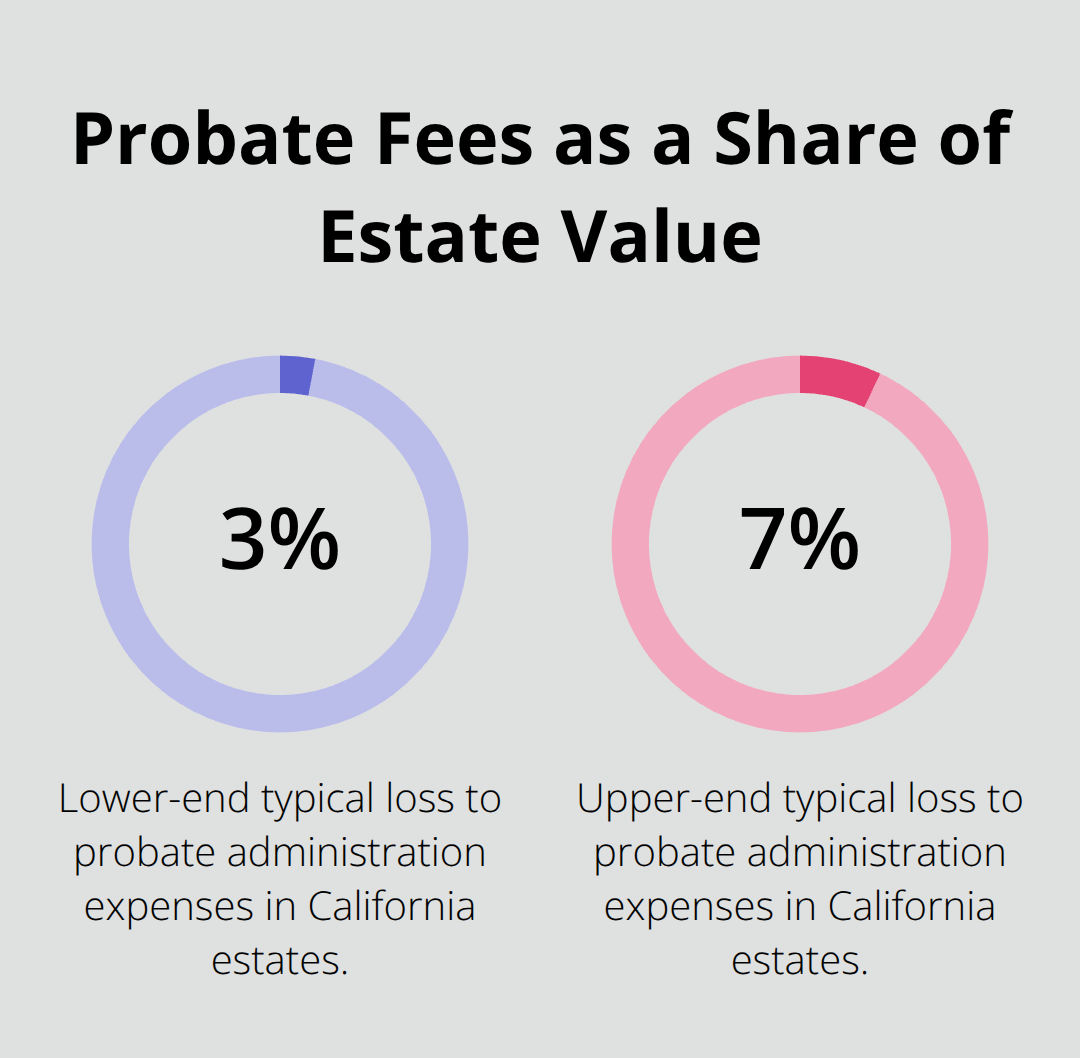
The financial impact of probate often shocks families who assumed estate administration would cost minimal amounts. California allows probate attorneys and personal representatives to charge statutory fees based on the estate’s gross value, regardless of the actual work performed. For a $500,000 estate, statutory fees typically range from $13,000 to $18,000 or more when you combine attorney fees, probate court filing fees, and appraiser costs. These fees come directly from your estate before beneficiaries receive anything. Additional court costs accumulate when disputes arise, bonds must be posted, or real property requires special handling. Families typically lose 3% to 7% of their estate value to probate administration expenses alone.
This money disappears regardless of how well your initial estate plan was structured.
Your Assets Become Public Information
Probate requires filing your will and detailed asset inventories with the court, making this information accessible to anyone. Your beneficiary names, asset values, property descriptions, and debts all become public record. This public exposure creates security risks-criminals use probate records to identify vulnerable heirs and target them for fraud or theft. Identity theft specialists specifically monitor probate filings to locate recent inheritors with sudden access to funds. Additionally, creditors and distant relatives can review probate records to make claims against your estate. The loss of privacy extends beyond financial information; your family’s personal circumstances, business valuations, and wealth details are permanently documented in court files. Unlike trusts (which remain private documents), probate proceedings create a permanent public trail of your family’s financial affairs.
Why Coordination Matters Now
These three realities-delays, costs, and public exposure-reveal why your initial estate plan needs alignment with probate’s actual mechanics. A will alone cannot protect your family from these consequences. Trusts, beneficiary designations, and strategic asset titling work together to minimize probate’s impact on your family’s financial security and privacy. The next section shows you specific strategies that address each of these probate realities.
How to Structure Your Estate to Skip Probate
Trusts Form the Foundation of Probate Avoidance
Trusts work because probate only applies to assets in your individual name at death. A revocable living trust transfers ownership of your assets to the trust during your lifetime, meaning those assets never enter probate when you pass away. The trustee you name distributes assets to beneficiaries according to your instructions, without court involvement or public filing.
This approach eliminates the 9 to 12 month timeline entirely and reduces administration costs dramatically. A $500,000 estate that would generate $13,000 to $18,000 in probate fees costs only a few hundred dollars to administer through a trust. California residents increasingly choose trusts specifically because they avoid the state’s statutory fee structure that charges based on gross estate value regardless of actual work performed.
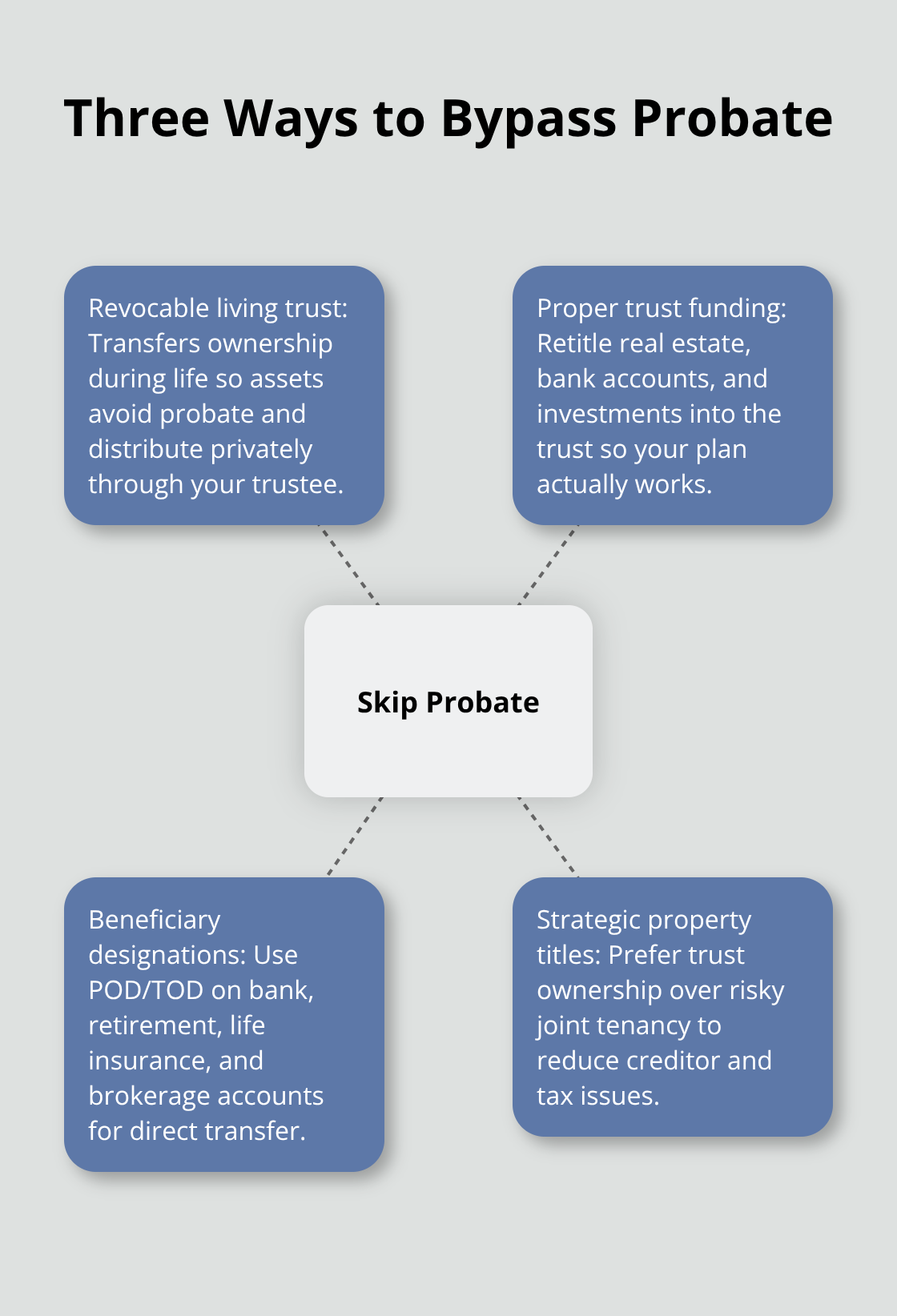
The trust only functions if you actually transfer property into it, which many people neglect to do after creating the document. Your real estate, bank accounts, investment portfolios, and other significant assets must be retitled in the trust’s name. Without this transfer step, those assets still go through probate despite having a trust document sitting in your drawer.
Beneficiary Designations Bypass Probate Automatically
Financial accounts with beneficiary designations bypass probate entirely through a different mechanism. Bank accounts, retirement accounts, life insurance policies, and investment accounts allow you to name a payable-on-death beneficiary or transfer-on-death beneficiary directly on the account documents. When you die, these assets transfer immediately to the named beneficiary outside of probate, typically within weeks rather than months.
This strategy works particularly well for retirement accounts where probate could trigger unnecessary tax consequences. The Employee Benefit Research Institute reports that Americans hold approximately $35 trillion in retirement account assets, yet many beneficiary designations remain outdated or missing entirely. Someone named as beneficiary 15 years ago may no longer reflect your actual wishes, and outdated designations override what your will or trust states.
Additionally, some people fail to name any beneficiary, which forces those accounts through probate and potentially into the wrong hands. Organizing your property titles and deed records represents the third critical piece of this puzzle.
Property Titles and Joint Ownership Require Strategic Planning
Properties held in joint tenancy with right of survivorship transfer automatically to the surviving owner outside probate when one owner dies. However, joint ownership creates different problems, including exposure to creditors and potential gift tax complications. Holding property in a revocable trust avoids these pitfalls while still keeping the property out of probate.
Your action step involves gathering all account statements, property deeds, and financial documents, then systematically retitling them according to your chosen probate avoidance strategy. This coordination between your trust documents, beneficiary designations, and property ownership is what actually makes your estate plan function during probate. Without this alignment, your family faces the same delays, costs, and public exposure that plague estates without proper planning-which is why the mistakes discussed in the next section prove so costly.
Where Estate Plans Fail in Practice
Most people create an estate plan and never touch it again. This abandonment is the single biggest reason families experience the delays, costs, and public exposure we discussed earlier. The disconnect between what you document and what actually happens during probate stems from three specific failures that we at Law Offices of Roshni T. Desai see repeatedly. First, beneficiary designations sit unchanged for decades while life circumstances shift dramatically. Second, people create trust documents but leave their largest assets titled in their personal names, rendering the trust useless. Third, they ignore tax consequences that can obliterate half their estate’s value. These aren’t theoretical problems-they destroy real family finances every single day.
Outdated Beneficiary Designations Override Everything Else
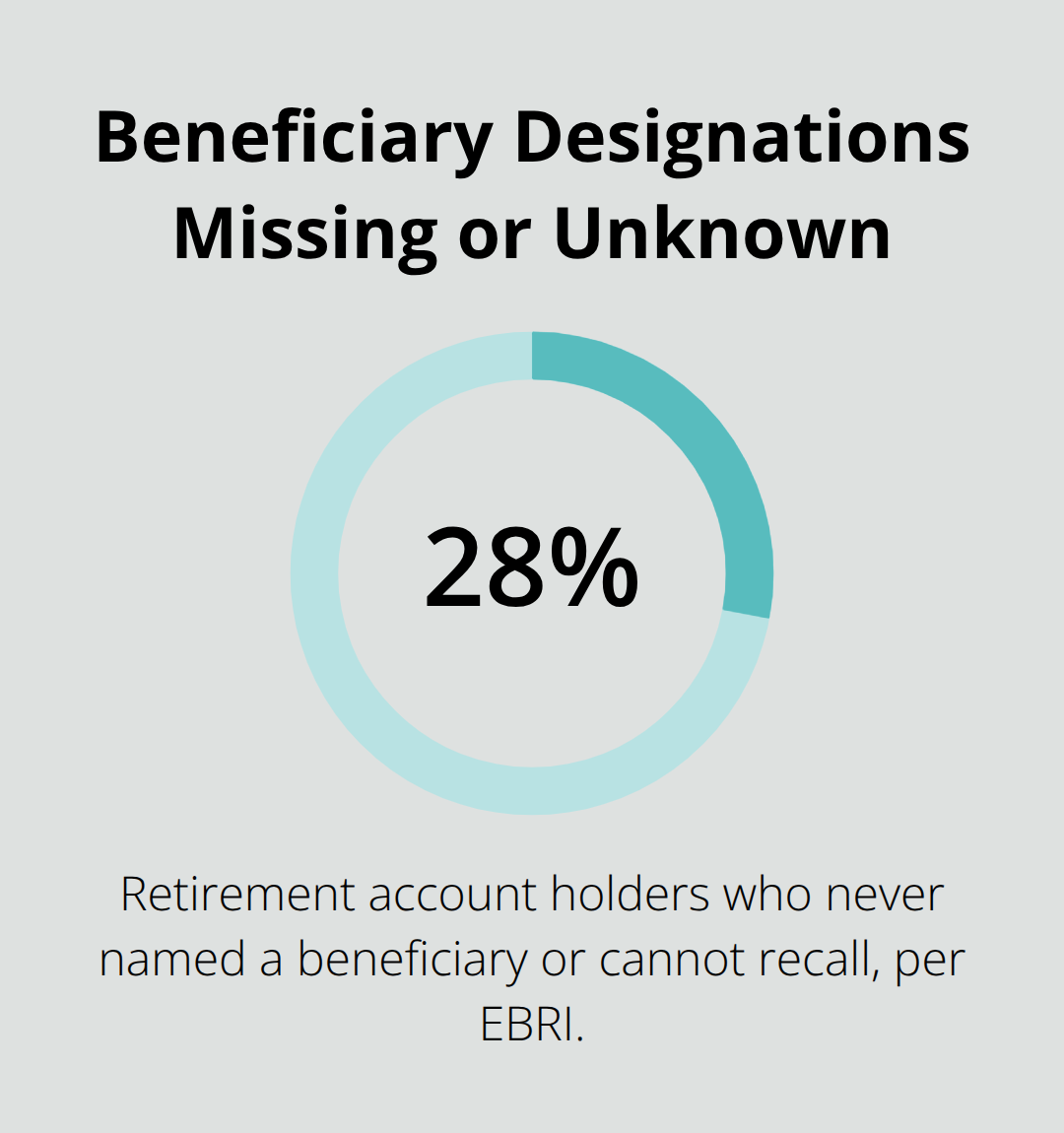
Your beneficiary designations control where retirement accounts, life insurance, and bank accounts actually go when you die, regardless of what your will or trust states. The Employee Benefit Research Institute found that approximately 28% of retirement account holders have never named a beneficiary or cannot recall if they did. Another significant portion named beneficiaries during their first marriage, then never updated them after divorce or remarriage.
Someone named as beneficiary in 2005 might be an ex-spouse you’d never want inheriting your 401k, yet that outdated designation pulls the account straight to them outside probate. The account passes faster than if it went through probate, which sounds good until you realize it’s going to the wrong person permanently. Life insurance policies suffer the same fate-policies purchased 20 years ago with outdated beneficiaries sit in your file while you assume your current wishes control distribution. Annual reviews of every account that allows beneficiary designations (retirement accounts, life insurance, bank accounts, and investment accounts) catch these problems before they harm your family. Pull the actual account documents, not your memory of what you designated, and verify the names match your current wishes and family structure.
Assets Left in Personal Names Destroy Your Probate Plan
You create a revocable trust, sign the documents, and feel protected. Then probate hits and your family discovers that your house, investment accounts, and brokerage positions all sit in your personal name, not the trust. This happens constantly because transferring assets into the trust requires additional steps after signing the trust document. Real property needs new deeds recorded with the county. Bank and brokerage accounts need retitling conversations with financial institutions. Some people fear this process or simply forget it exists. The result is that 60% to 70% of your estate still goes through probate despite having a trust document. Your family faces the same 9 to 12 month delays, the same $13,000 to $18,000 in fees on a $500,000 estate, and the same public exposure that the trust was supposed to prevent. A systematic audit of every asset you own (real estate deeds, bank statements, investment accounts, and business interests) identifies which items need retitling in your trust’s name or beneficiary designations that bypass probate. This coordination between documents and actual asset ownership separates effective estate plans from expensive failures.
Tax Implications Get Ignored Until They’re Catastrophic
Federal estate tax exemptions currently allow individuals to pass $13.61 million to heirs tax-free as of 2024, but that exemption expires in 2026 when it drops to approximately $7 million per person. States like California impose no state estate tax, but other states do. More importantly, income tax on inherited retirement accounts can consume 30% to 40% of their value depending on beneficiary type and account age. Someone who inherits a $300,000 IRA might owe $90,000 to $120,000 in income taxes within a few years under current rules. Naming the wrong beneficiary type on retirement accounts-such as naming your estate instead of individual beneficiaries-triggers immediate taxation that could have been deferred. Strategic trust structures and beneficiary designations can stretch retirement account distributions over decades, minimizing tax impact. This requires intentional planning during your lifetime, not decisions made during probate when it’s too late.
Final Thoughts
The gap between your estate plan and probate realities creates genuine financial and emotional damage for your family. Delays stretch to 18 months, fees consume 3% to 7% of your estate, and public exposure invites fraud targeting your heirs. Estate planning probate coordination that aligns your actual asset ownership with your documented wishes prevents these outcomes from harming the people you love.
Most people fail at this coordination step. They create a trust but never retitle their house, name beneficiaries once and never update them through life changes, or ignore tax strategies that could preserve hundreds of thousands of dollars. These gaps don’t fix themselves, and probate doesn’t care about your intentions-it only processes what’s actually documented and titled correctly. We at Law Offices of Roshni T. Desai help families eliminate these gaps through comprehensive estate planning that connects your documents to your actual assets, covering wills, living and irrevocable trusts, powers of attorney, and trust administration across Southern California.
The coordination between your trust documents, beneficiary designations, property titles, and tax planning determines whether your family experiences a smooth administration or a costly nightmare. Contact us for a free consultation to review your current plan and identify the gaps that could harm your family.