




Palm Springs Trust Counsel: Why It Matters for Estate Planning
Palm Springs property ownership comes with unique challenges that most generic estate planning approaches miss. The combination of high-value desert real estate, California tax rules, and complex ownership structures requires Palm Springs trust counsel that understands your specific situation.
At Law Offices of Roshni T. Desai, we’ve seen how the right trust strategy protects families from costly mistakes. This guide shows you what matters most for your estate plan.
Why Local Trust Counsel Matters in Palm Springs
Palm Springs real estate operates under a completely different set of rules than most American markets. The combination of high-value properties, seasonal ownership patterns, and California’s community property laws creates situations that national estate planning templates simply cannot address. Properties in Palm Springs frequently involve out-of-state owners, vacation homes held jointly with family members, and investment rentals with complex liability structures. California taxes the estates of residents based on where they live, not where their assets sit, which means a Palm Springs resident with property in Nevada or Arizona still owes California estate taxes on those holdings. The state’s top estate tax rate affects estates over $13.61 million according to California law, and this threshold is far lower than federal limits. Additionally, community property rules in California mean that assets acquired during marriage are automatically owned by both spouses, fundamentally changing how property transfers into trusts and who ultimately inherits. A trust attorney working only from a generic framework misses these specifics entirely, leaving families exposed to unnecessary probate, higher taxes, and delayed transfers.
How Title and Ownership Structure Drive Trust Success
The way your Palm Springs property is titled directly determines whether your trust actually works. If you own a home as joint tenants with right of survivorship, that property bypasses your trust entirely and passes to the surviving joint tenant, potentially disinheriting your children or spouse depending on your wishes. Tenancy in common keeps ownership shares separate, meaning your portion still requires probate unless you transfer it into the trust. Properties held in community property with right of survivorship offer certain tax advantages but can conflict sharply with blended-family planning goals. Families spend tens of thousands in probate costs because titles were never aligned with their actual trust documents. The solution requires gathering current deeds, HOA documents, mortgage statements, and any records of separate-property contributions, then formally transferring assets into the trust through new recorded deeds. Without this alignment, your trustee cannot manage the property as intended, and your heirs face delays and uncertainty.
Why Out-of-State Holdings Demand Local Guidance
Many Palm Springs residents own property across multiple states-a condo in Colorado, a cabin in Oregon, investment properties in Arizona. Each state has different probate rules, tax treatment, and trust administration requirements. Arizona and Nevada have no state income tax, but California taxes you on your worldwide income and assets if you are a resident. A trust created without understanding multi-state implications can trigger probate in every state where you own property, multiplying costs and extending timelines. California’s probate process can take one to two years for straightforward estates and significantly longer for complex ones. An attorney familiar only with national standards will not know California’s specific rules around community property funding, the state’s creditor notice requirements, or how to structure a trust that minimizes exposure across jurisdictions. Your Palm Springs trust must address property held in different states, coordinate beneficiary distributions across those properties, and establish clear authority for trustees operating outside California. These complexities demand someone who understands both California law and the specific challenges that Palm Springs property owners face.
Common Estate Planning Mistakes Palm Springs Residents Make
Palm Springs residents make three critical errors that damage their estate plans, and each one stems from misunderstanding how local property rules interact with trust structure.
Failing to Update Trusts After Property Changes
The first mistake happens constantly: families update their property holdings without updating their trusts. You purchase a vacation home in 2023, sell a rental property in 2024, acquire beachfront land in 2025-but your trust document still lists the old properties and fails to include the new ones. This gap means new assets bypass your trust entirely and enter probate when you die, costing your heirs 3 to 7 percent of the property value in probate fees according to California probate court data. More damaging, a trustee cannot manage or distribute assets that were never formally transferred into the trust, forcing your family to navigate probate court for those holdings while other assets transfer smoothly.
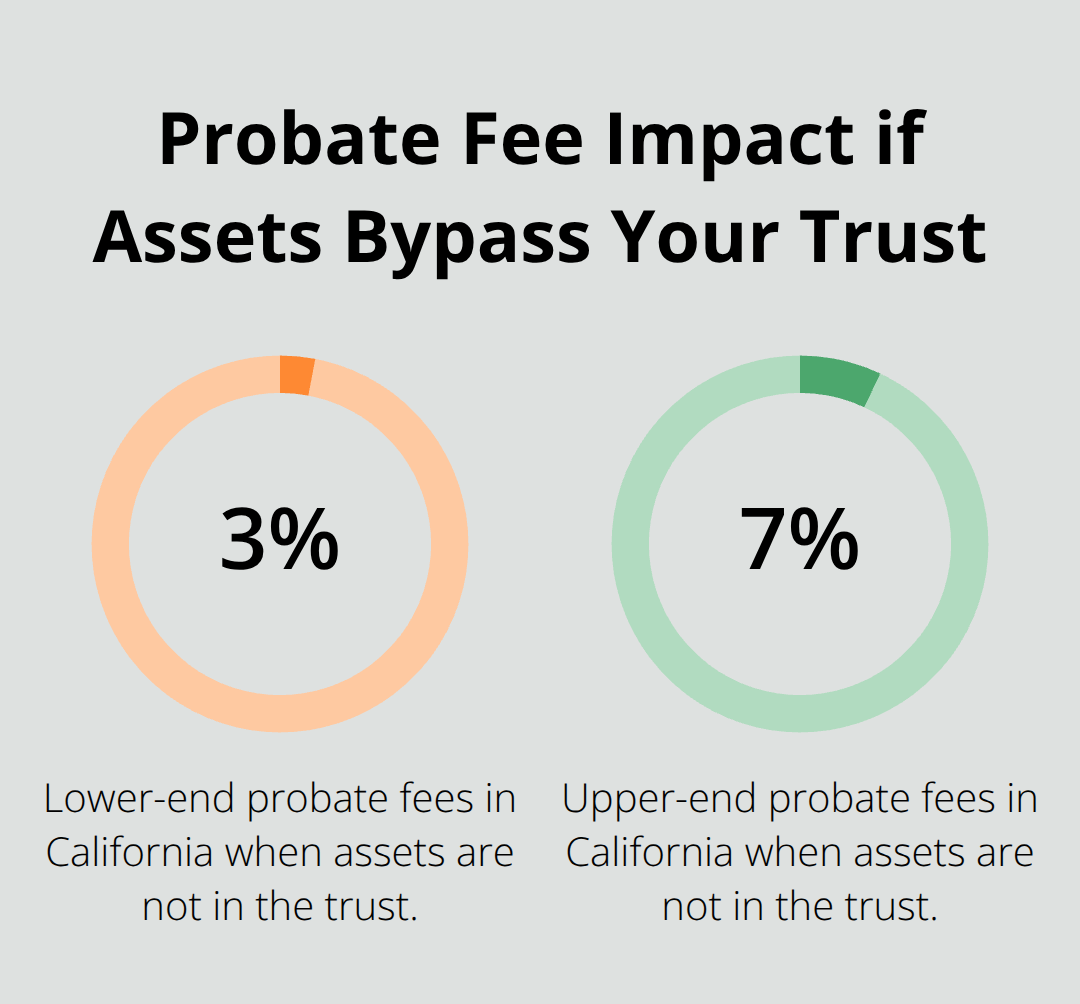
Every time you buy or sell real estate, you must update your trust schedule and execute new deeds transferring the property into the trust. This simple step prevents your heirs from facing unnecessary delays and expense.
Ignoring Out-of-State Property Holdings
The second mistake involves ignoring out-of-state property completely. Palm Springs residents frequently own vacation homes in Colorado, investment properties in Arizona, or family cabins in Oregon, yet they create a trust that addresses only California real estate. When you die owning property in multiple states, your heirs face probate proceedings in each state where you hold title-California, Arizona, Colorado, and Oregon all demand separate court filings, separate probate fees, and separate timelines. California’s probate process typically takes 12 to 18 months even for straightforward cases; adding multi-state complications stretches this to three years or longer.
Every property you own outside California needs explicit coverage in your trust, including provisions for multi-state trustee authority and state-specific probate avoidance strategies. Without this protection, your family navigates separate legal systems and pays multiple sets of probate costs.
Overlooking Community Property Laws in Second Homes
The third mistake overlaps with the first two but deserves separate attention: overlooking how California’s community property laws apply to second homes and vacation properties. If you and your spouse purchased a Palm Springs home during your marriage, California automatically treats it as community property owned equally by both of you, regardless of whose name appears on the deed. Many families fund only one spouse’s portion into the trust, leaving the other spouse’s half outside the trust structure entirely. This creates probate exposure for half the property value and can trigger unexpected tax consequences for the surviving spouse.
Second marriages amplify this problem dramatically. If one spouse brings adult children from a prior marriage and the couple purchases a home together as community property, the surviving spouse may inherit the entire home under California law, potentially disinheriting the deceased spouse’s adult children entirely-which contradicts the original estate planning intent. For community property situations, both spouses must formally fund their portions into the trust with proper deed documentation, and couples in second marriages should clarify community property versus separate property status in writing to prevent inheritance disputes.
These three mistakes share a common thread: they treat your trust as a static document rather than a living one that changes when your circumstances change. The next section shows how to structure your trust from the beginning to accommodate Palm Springs real estate complexities and protect your family across multiple properties and jurisdictions.
Building Your Estate Plan for Palm Springs Real Estate
High-value desert real estate demands a trust structure designed specifically for how Palm Springs properties operate, not a generic framework that treats all real estate the same. The first decision involves whether your trust should be revocable or irrevocable during your lifetime. A revocable living trust gives you complete control and flexibility to modify or revise terms as your circumstances change, which matters enormously when you buy or sell properties frequently. You can adjust beneficiary designations, add new properties, or restructure ownership without court involvement. However, revocable trusts offer minimal asset protection from creditors during your lifetime because you retain full control. If protecting assets from lawsuits or creditor claims is your priority, an irrevocable trust removes assets from your personal ownership, shielding them from legal judgments, but you lose direct control and cannot easily modify terms. For most Palm Springs residents with multiple properties and changing holdings, a revocable trust during your lifetime combined with irrevocable provisions that trigger after your death offers the best balance.
Structuring Trusts for High-Value Desert Real Estate
Your trust must explicitly address whether each property is held as community property, separate property, or jointly owned, because this designation fundamentally affects how the property transfers and who inherits it. Community property properties require both spouses to formally transfer their portions into the trust through separate deed recordings. A single deed transferring community property without both spouses’ signatures creates a defective transfer that can trigger probate later. For vacation rentals or investment properties, your trust structure should include provisions addressing tenant rights, lease continuity, and liability insurance-a trustee managing rental properties needs clear authority to collect rents, maintain the property, and enforce lease terms without court intervention.
Coordinating Trust Administration With Property Management
Trust administration for multi-property owners demands coordination with property management, tax reporting, and beneficiary communications. After you fund properties into the trust, the trustee must maintain separate accounting for each property’s income, expenses, and capital improvements, which directly impacts tax reporting and beneficiary distributions. California requires trustees to file a trust income tax return annually if the trust generates income from rentals or investments, and property taxes must be paid in the trust’s name. If you own properties across multiple states, your trustee needs explicit authority to manage those assets according to each state’s laws-Arizona properties follow Arizona law, California properties follow California law.
Many Palm Springs residents fail to coordinate trust administration with ongoing property management, leaving property managers uncertain about the trustee’s authority to approve repairs, lease agreements, or insurance claims. A clear trustee succession plan matters just as much: name a primary trustee, then a successor trustee, because the person managing your Palm Springs properties must be someone who understands real estate operations and can make quick decisions about maintenance, tenant issues, or emergency repairs.
Protecting Family Wealth Across Multiple Jurisdictions
Professional trustees or corporate trustee services handle ongoing administration but typically charge 1 to 2 percent of trust assets annually, which on a $5 million estate means $50,000 to $100,000 per year. Family members serving as trustees avoid these fees but require training on their fiduciary duties, record-keeping obligations, and tax reporting responsibilities.
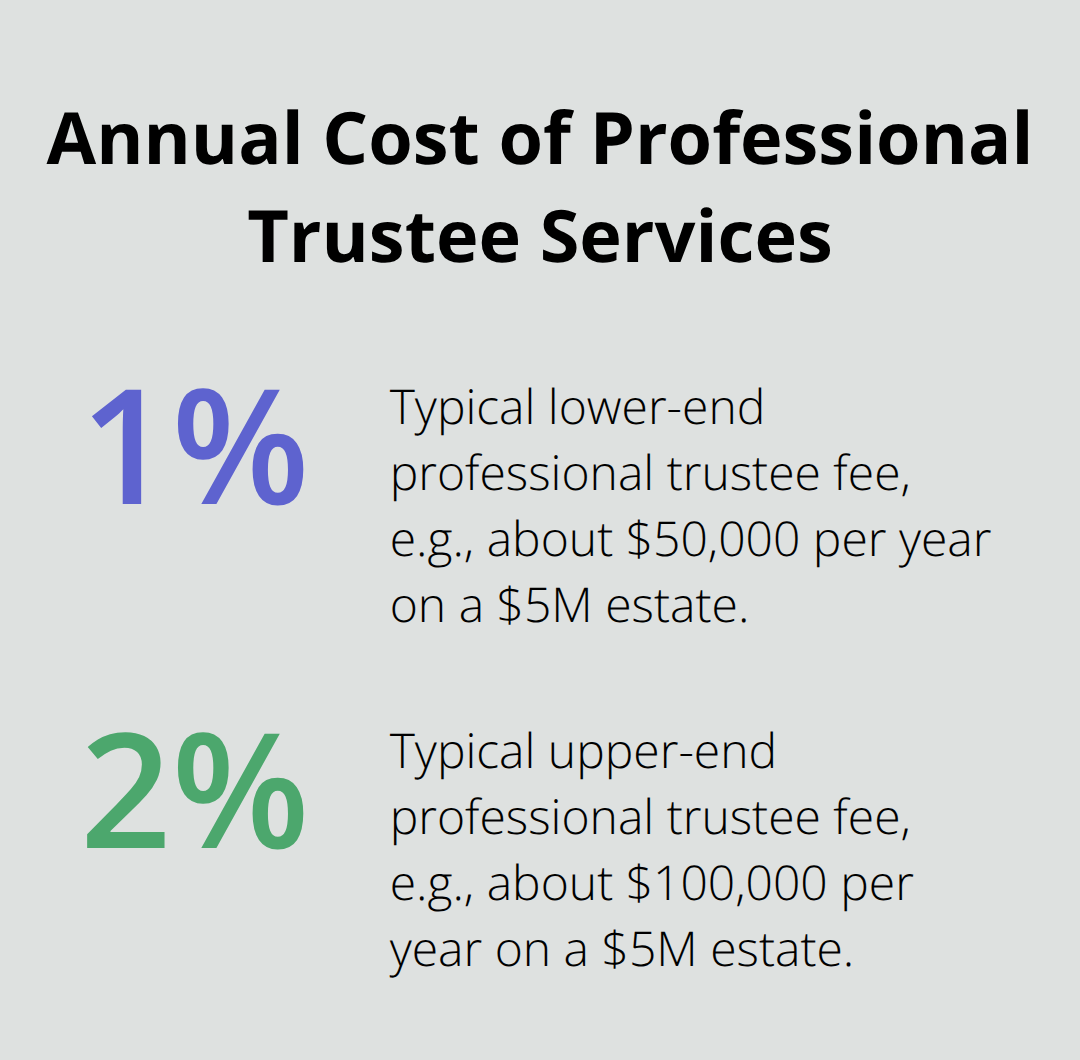
A trust structure that clarifies trustee authority across multiple jurisdictions and coordinates administration with your property management team ensures your Palm Springs real estate transfers smoothly without administrative chaos when you cannot manage it yourself.
Final Thoughts
Palm Springs real estate demands more than a standard estate plan. The combination of high-value properties, California’s community property rules, multi-state holdings, and frequent ownership changes means your trust must be tailored to your specific situation, not built from a generic template. Palm Springs trust counsel that understands local property ownership patterns, California tax implications, and multi-jurisdiction coordination prevents the costly mistakes that damage estates every year.
Before your next consultation, gather your current deeds, mortgage statements, HOA documents, and a complete list of all properties you own across every state. Document which properties are community property, separate property, or jointly held, because this designation directly affects how your trust functions. Write down your beneficiaries and how you want each property distributed, then note any properties purchased or sold since your last estate plan update.
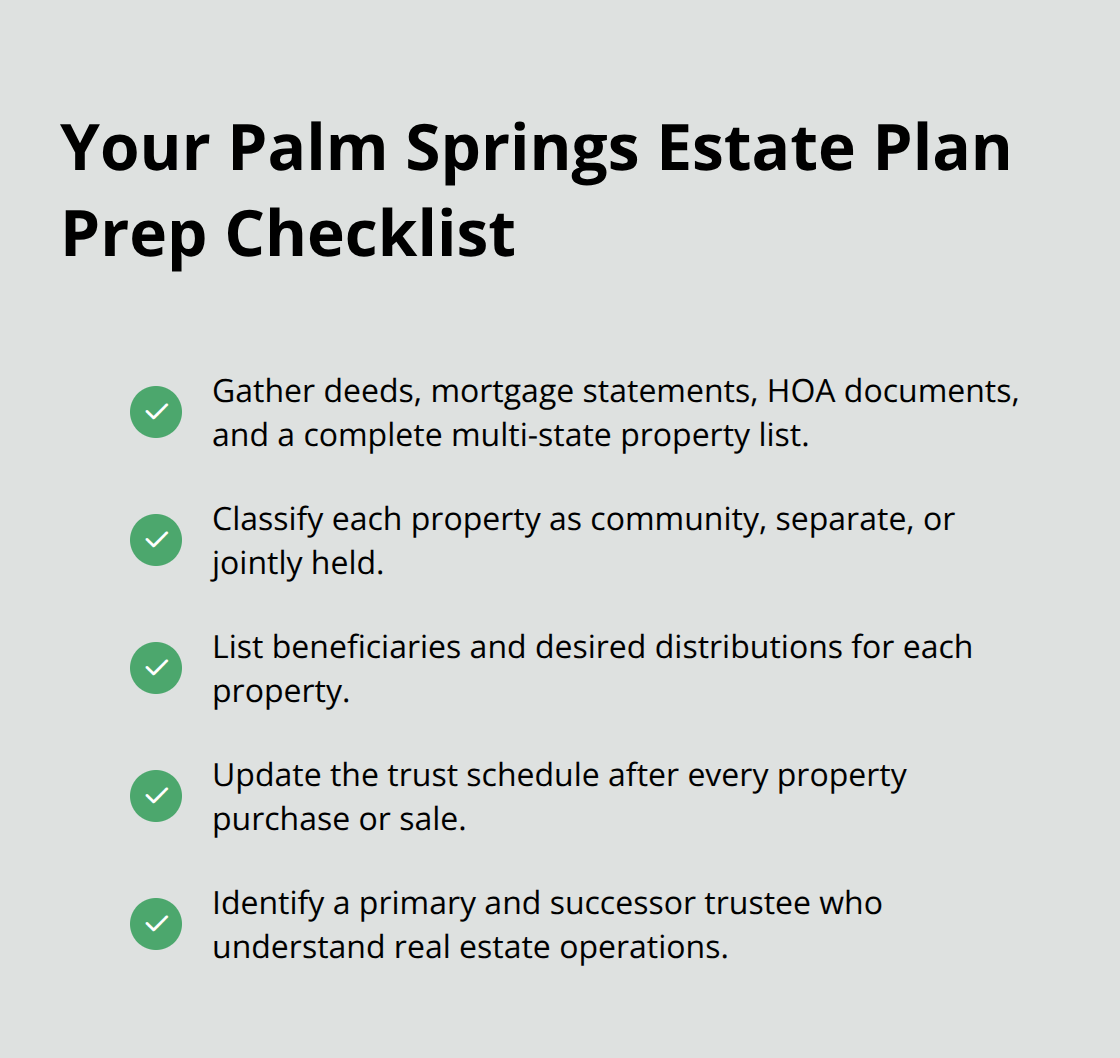
We at Law Offices of Roshni T. Desai understand the specific challenges Palm Springs property owners face. We provide personalized guidance on wills, living and irrevocable trusts, powers of attorney, and trust administration tailored to your Palm Springs real estate. Visit Law Offices of Roshni T. Desai to schedule your consultation and take the first step toward an estate plan that actually protects your Palm Springs wealth and your family’s future.