




Probate Administration Support SoCal: From Planning to Distribution
Probate administration in Southern California involves navigating court requirements, managing assets, and distributing property to beneficiaries. The process can take months or years, and mistakes during administration often lead to costly delays.
At Law Offices of Roshni T. Desai, we help families handle probate administration support in SoCal with clarity and efficiency. This guide walks you through each stage of probate and shows how professional support makes the difference.
What Probate Actually Is and Why It Takes So Long
The Court-Supervised Process That Protects Everyone
Probate is the court-supervised process that validates a will, identifies who inherits, values all property owned at death, and settles debts before distributing what remains. In California, probate isn’t optional just because you have a will-the will still goes to court. The judge reviews it, appoints a personal representative (called an executor if named in the will, or an administrator if there’s no will), and oversees the entire transfer of assets. This court involvement exists for a reason: it protects heirs and creditors by creating a public record and preventing fraud.
California’s Hard Deadlines and Timeline Reality
The California Probate Code sets hard deadlines that executors must follow. You have 30 days to file the will with the court after the person dies. A probate referee must appraise real estate within four months. Known creditors must be notified within four months, and you must publish notice in a local newspaper.
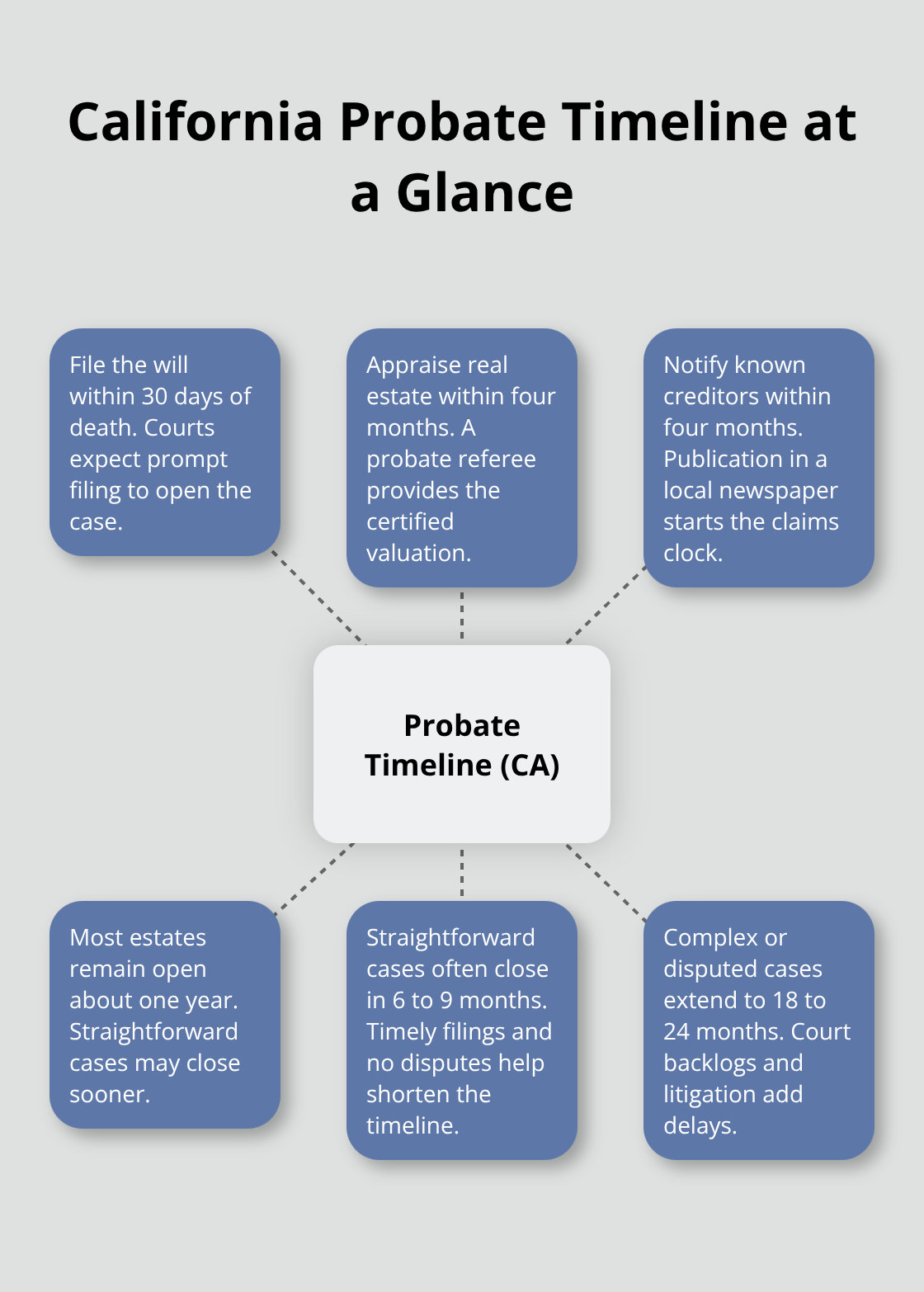
Most estates stay open about a year, though straightforward cases close in 6 to 9 months-anything complex or disputed stretches to 18 to 24 months due to court backlogs.
The formal probate threshold in California as of 2024 is $184,500, meaning estates above that amount require the full formal process. Smaller estates under this threshold can sometimes use a streamlined small estate affidavit to skip court entirely, which saves months and thousands in fees. The key reality is that probate takes time. Even with no disputes, courts move slowly, paperwork piles up, and one missed deadline sets you back months.
Three Myths That Cost Families Money
Many people believe a will avoids probate-it doesn’t. A will is actually instructions for the court about who should receive property, not a shortcut around the system. Assets in a living trust or with payable-on-death beneficiary designations do bypass probate, but a standalone will does not.
Another false belief is that the executor can simply take charge and distribute money without court approval. The executor has fiduciary duties under California law and can face personal liability for mismanaging assets or acting without proper authorization. Courts require approval before major distributions or asset sales, and the executor must maintain detailed records throughout the process.
What Happens Next in Your Probate Journey
These misconceptions often lead families to make costly mistakes before they understand the actual rules. The next section walks you through each step of the probate process-from the initial filing through asset inventory, creditor notification, and final distribution-so you know exactly what to expect and when.
The Step-by-Step Path Through Probate
Securing Your Authority and Opening Estate Accounts
The moment you receive Letters Testamentary or Letters of Administration from the court, your work begins immediately. Within 30 days of the person’s death, the will must be filed with the probate court in the county where the deceased lived. After that filing, the court schedules a first hearing to appoint you as the personal representative. This hearing typically occurs within 30 to 60 days. Arrive early-plan for 90 minutes or more-and monitor the daily matters posted outside the courtroom since hearing dates change frequently. Once appointed, you receive your official letters, which act as your legal authority to access bank accounts, sell property, and manage the estate.
Open a separate estate bank account immediately and deposit all funds there. Never mix estate money with your personal accounts, as this creates liability and complicates accounting later. The court may require you to post a surety bond guaranteeing your fiduciary duties, with costs depending on estate value and creditworthiness.
Valuing Assets and Meeting Appraisal Deadlines
Within four months, a probate referee must appraise all real estate, and valuable personal property worth more than a few thousand dollars should be appraised by an independent appraiser. This valuation becomes the official record of what the estate owns. You cannot skip this step or delay it-the four-month deadline is firm under California law.
Notifying Creditors and Heirs
Notification happens in parallel with asset gathering. Within four months, you must notify all known creditors and publish notice in the deceased’s local newspaper-this creates a legal deadline for creditors to file claims, typically four months from publication. Simultaneously, send formal notice to all heirs under California law and beneficiaries named in the will about probate timelines and their rights.
Paying Debts and Filing Tax Returns
Pay ongoing expenses immediately: mortgage payments, property taxes, utilities, and insurance must be satisfied to preserve assets and meet your fiduciary duties. File the deceased’s final income tax return and, if the estate earned more than $1,200 annually according to the IRS, file Form 1041 for estate income. California has no state estate tax, but federal estate tax applies if the estate exceeds $13.61 million as of 2024 per the IRS.
Distributing Assets and Closing the Estate
Only after debts and taxes are satisfied can you distribute remaining assets, and only with court approval for major distributions or property sales. A Report of Sale and Petition for Order Confirming Sale may be required if real estate is sold during probate. The final step involves filing a Final Plan and Accounting with the court, obtaining the judge’s approval, and receiving your discharge as personal representative. This entire process typically takes 12 months for straightforward estates, though complex situations or disputes extend timelines to 18 to 24 months.
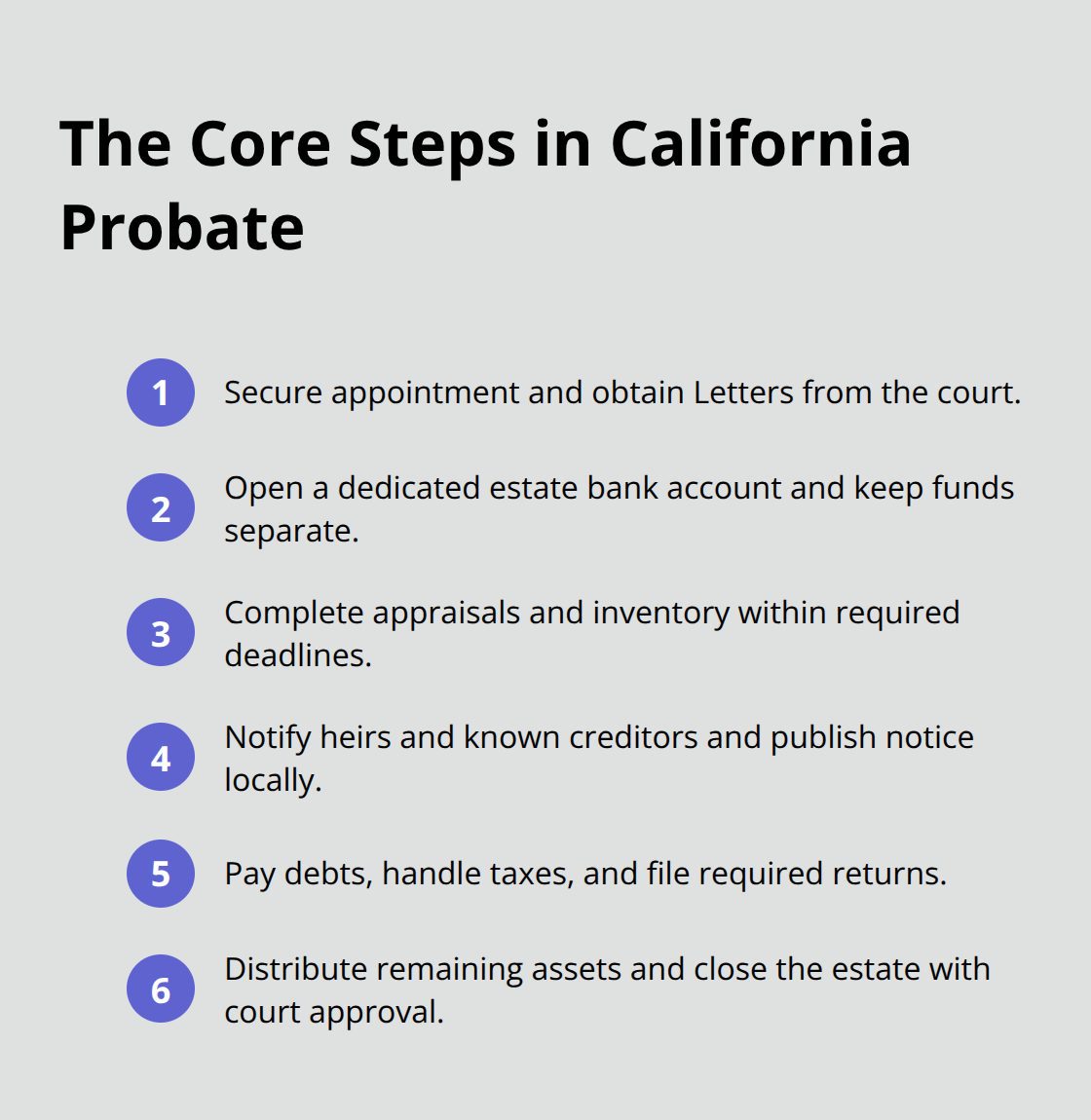
These procedural steps protect both you and the beneficiaries, but they also demand precision and attention to detail. One missed deadline or incomplete filing can halt the entire process. The next section shows how professional support helps you navigate these requirements without the stress of managing every deadline and document yourself.
How Professional Support Cuts Probate Timelines in Half
Tracking Deadlines and Filing Correctly the First Time
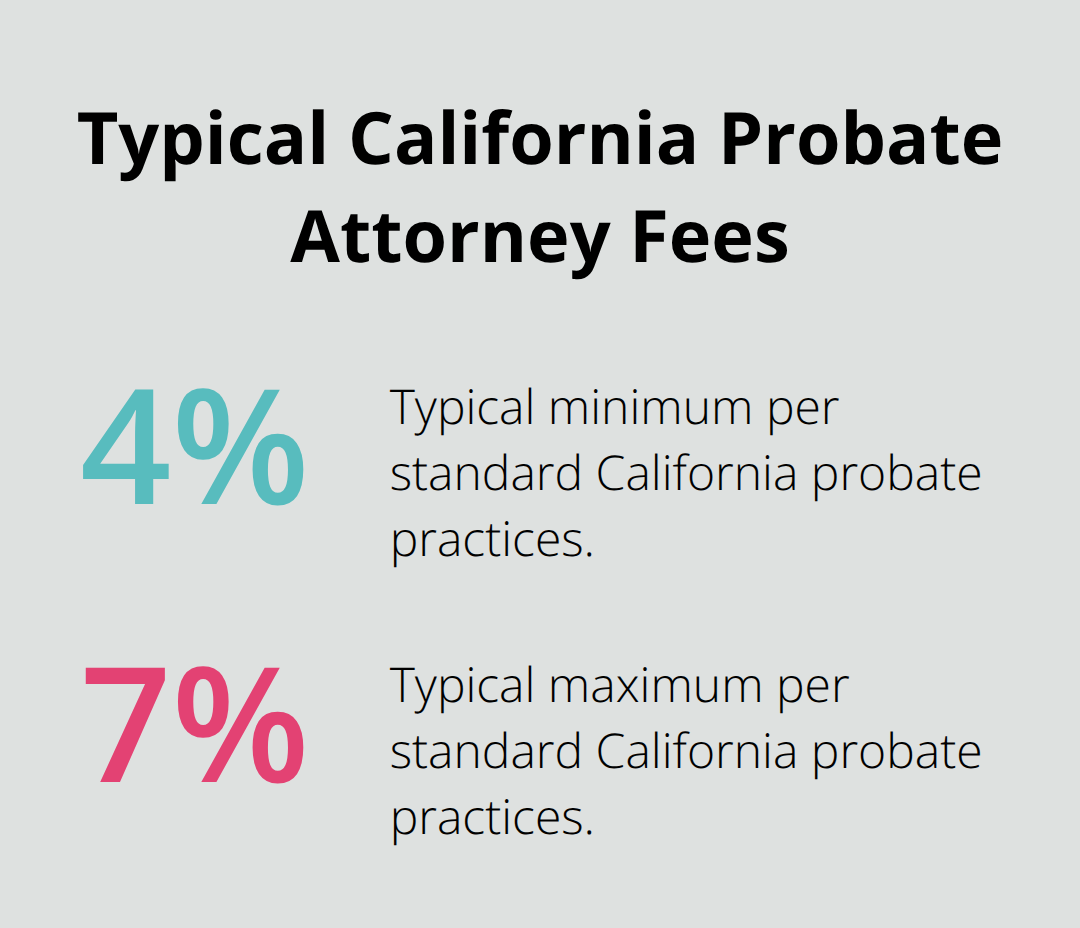
Handling probate alone means you personally track every deadline, manage every filing, and coordinate every appraisal and notification. Courts do not extend deadlines for personal representatives who miss them, and one overlooked requirement can delay your entire estate by months. Straightforward estates often stretch from 9 months to 18 months because executors miss the four-month creditor notification window or fail to file the inventory on time. A probate attorney tracks these deadlines systematically, files documents correctly the first time, and responds to court requests immediately. This prevents the back-and-forth delays that plague self-administered estates. Professional support also provides access to established relationships with probate referees, appraisers, and court staff who understand local procedures and move cases forward efficiently. The cost of attorney fees-typically 4 percent to 7 percent of the estate’s value according to standard California probate practices-often pays for itself through faster closing and avoided errors that would cost far more to fix.
Resolving Family Conflicts Before They Reach Court
Complex family dynamics and property disputes create real problems during probate. When multiple beneficiaries disagree about asset valuations, distributions, or executor decisions, tensions escalate quickly and litigation becomes expensive. A probate attorney mediates these conflicts before they reach court, clarifying each party’s rights under California law and finding solutions that avoid costly litigation. Professional representation also protects you from personal liability for decisions you made in good faith. These conflicts often stem from unclear communication about the deceased’s wishes or misunderstandings about how California law distributes assets when disputes arise.
Coordinating Property Sales and Tax Filings
Property sales during probate require additional court filings-specifically a Report of Sale and Petition for Order Confirming Sale-and coordination between the executor, real estate professionals, and the court. This dual requirement (legal approval plus market timing) creates complexity that most executors cannot manage alone. Professional probate support handles the complex tax filings-the deceased’s final income tax return, Form 1041 for estate income if applicable, and federal estate tax considerations if the estate exceeds the $13.61 million exemption as of 2024 per the IRS. These filings require accuracy; mistakes trigger audits and penalties that deplete estate assets meant for beneficiaries. When an attorney also holds real estate licensure, probate-related property transactions move forward seamlessly, reducing delays and communication gaps that typically plague estate sales.
Final Thoughts
Probate administration in Southern California demands precision, timing, and knowledge of California’s specific court requirements. The process protects heirs and creditors through public oversight, but it also creates hard deadlines that cannot be missed. A will alone does not bypass probate, estates above $184,500 require formal court proceedings, and the personal representative faces real personal liability for mismanagement or unauthorized distributions.
The practical reality is that straightforward estates take 9 to 12 months when handled correctly, while complex situations stretch to 18 to 24 months. One missed deadline-whether the four-month creditor notification window, the inventory filing, or the appraisal requirement-can delay your entire estate by months. Professional probate administration support SoCal firms provide tracks these deadlines systematically, files documents correctly the first time, and prevents the costly errors that plague self-administered estates.
If you are managing an estate or facing probate administration, contact Law Offices of Roshni T. Desai to discuss your situation. We provide personalized probate and estate services across Southern California with free consultations and flexible visits to your home or office. Reach out today to learn how professional support can move your case forward with clarity and efficiency.