




Probate Attorney Guidance: Clear Steps Through a Complex Process
Probate can feel overwhelming when you’re grieving and managing an estate at the same time. The court requirements, paperwork, and timelines create real obstacles for families trying to settle a loved one’s affairs.
We at Law Offices of Roshni T. Desai help families navigate this process with clear probate attorney guidance at every stage. This post walks you through what probate actually involves and how professional support makes the difference.
What Probate Actually Means
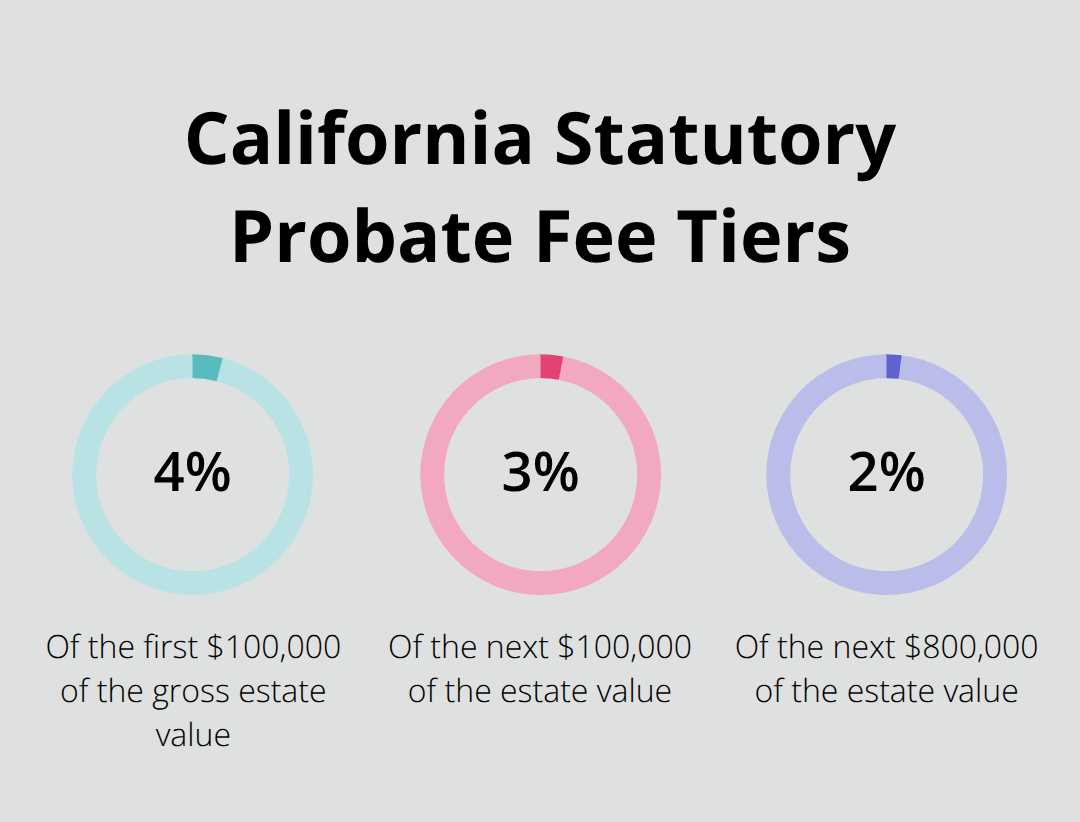
Probate is the court-supervised process that transfers property from a deceased person to heirs and beneficiaries. It’s not optional for most estates-if someone owned assets solely in their name without a beneficiary designation or trust, those assets go through probate. The California Courts self-help probate guide breaks down the core workflow: the executor files the will with the court, the court validates it, assets are inventoried and valued, debts and taxes are paid, and remaining property goes to beneficiaries. This process typically takes 9 to 12 months, though complex estates with disputes can stretch much longer. The court requires formal notice to all heirs, beneficiaries, and creditors, which means transparency but also delays. Executors must account for every dollar and document every step under penalty of perjury using Form MC-030. Many people assume probate is always expensive, but California probate fees follow a statutory schedule: 4% of the first $100,000 of the estate, 3% of the next $100,000, 2% of the next $800,000, and lower percentages above that. However, complexity drives costs up-business interests, multiple properties, family disagreements, and disorganized records all increase what you’ll pay.
How Trusts Differ From Probate
A living trust bypasses probate entirely, which is why many families choose this route. Assets held in a trust transfer privately and quickly to beneficiaries without court involvement. If someone had a funded living trust but also owned property outside the trust, that property still requires probate. This is a hard truth: even if 80% of an estate is in a trust, the remaining 20% in solely-owned property forces the entire estate through the court process. Many people create a trust but fail to fund it properly, leaving heirs stuck in probate anyway.
Smaller Estates and Simpler Procedures
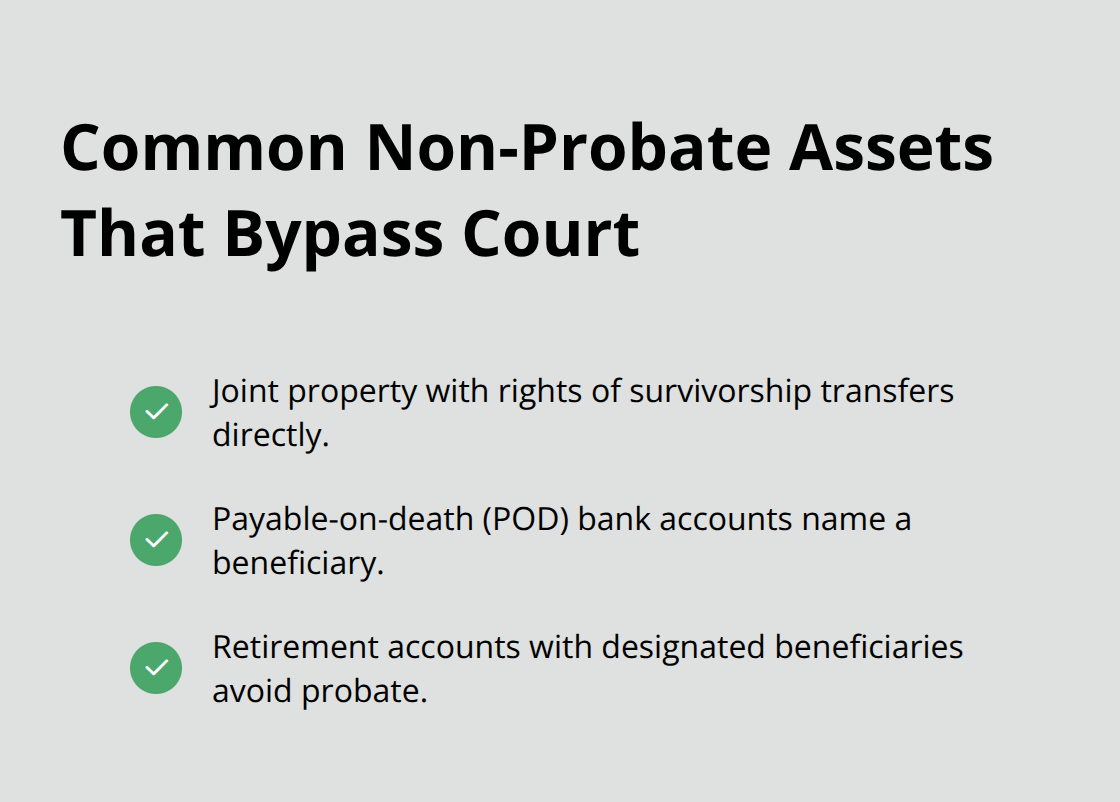
Small estates under $166,250 in California may qualify for simpler procedures like small estate affidavits, which avoid formal probate altogether. The key distinction is what assets you own at death and how you own them: joint property with survivorship rights, payable-on-death bank accounts, and beneficiary designations on retirement accounts all pass outside probate. These non-probate assets transfer directly to named beneficiaries without court involvement, which saves time and money.
Understanding these distinctions shapes every decision you make about your estate plan. The structure you choose now-whether probate, trust administration, or a combination of both-determines what your family faces after you’re gone. This is where professional guidance becomes essential, because the wrong choice can cost your heirs thousands of dollars and months of unnecessary court proceedings.
What Happens After Probate Begins
Once the executor files the will with the court and the court validates it, the real work starts. The first critical task is creating a comprehensive inventory of all assets the deceased person owned at death. This isn’t just a list-it requires formal valuations. Real estate needs professional appraisals, vehicles need market assessments, and financial accounts need statements as of the date of death. California requires this inventory to be filed with the court under penalty of perjury, which means accuracy matters.
Identifying Probate and Non-Probate Assets
The executor must distinguish between probate assets (solely owned property without a beneficiary designation) and non-probate assets (joint accounts, payable-on-death accounts, retirement accounts with named beneficiaries). Many executors make mistakes here by including non-probate assets in the inventory, which complicates the process unnecessarily. This distinction determines what the court oversees and what transfers directly to beneficiaries outside the probate system.
Notifying Heirs, Beneficiaries, and Creditors
Simultaneously, the executor must notify all heirs, beneficiaries, and known creditors. California law requires formal notice within 15 days of the executor’s appointment. This notification triggers a four-month creditor claim period-creditors have exactly four months from the date notice is published to file claims against the estate. This deadline is absolute. Missing it can expose the executor to personal liability if a creditor later surfaces and the estate has already distributed assets. Track this deadline on a calendar and mark it clearly.
Paying Debts and Taxes Before Distribution
The final stage involves resolving all debts before distributing anything to beneficiaries. Outstanding credit card balances, medical bills, mortgages, and property taxes must be paid from estate assets. Federal and state income taxes are also due-the estate files a final return for the decedent’s income through the date of death, and if the estate itself generated income during administration, it files a separate estate income tax return. Many families underestimate these costs. A typical estate might owe $5,000 to $15,000 in final bills and taxes before any beneficiary receives a single dollar.
Filing the Final Accounting and Closing the Estate
Only after all debts, taxes, and administrative costs are paid does the executor distribute the remaining assets according to the will or California succession laws if there’s no will. The court requires a final accounting showing exactly where every dollar came from and where it went. This accounting must be filed and approved by the court before the estate closes. The entire process from filing to closing typically takes 9 to 12 months for straightforward estates, but contested wills, family disputes, or complex assets can extend it to two years or more.
These deadlines and requirements demand systematic management. Missing a single deadline or miscalculating an asset value can delay distributions, trigger creditor disputes, or expose the executor to personal liability. This is where understanding how a probate attorney guides you through each stage becomes essential-professional support transforms these complex requirements into a manageable roadmap.
How a Probate Attorney Transforms Complexity Into Action
A probate attorney acts as the operational manager for your entire estate settlement, handling the paperwork, court deadlines, and asset management that would otherwise fall on the executor’s shoulders during grief. The work starts immediately after death with document preparation.
Preparing and Filing Required Documents
Your attorney locates the will, death certificate, and trust documents, then files the petition with the probate court within the required timeframe. This filing triggers the entire probate process-missing the deadline or submitting incomplete paperwork delays everything by months. Your attorney prepares the inventory of assets with proper valuations, creates the creditor notice that triggers the four-month claim period, and ensures all filings comply with California probate rules.
Many executors attempt this alone and make costly mistakes: undervaluing real estate, misclassifying assets as probate when they’re actually non-probate, or missing the specific language required by Form MC-030. Your attorney also manages the estate bank account, collects life insurance proceeds, and arranges professional appraisals for real estate and business interests. This systematic approach prevents the scattered documentation that creates delays and disputes later.
Representing You in Court Proceedings
While many probate cases never require a courtroom appearance, complex estates or contested wills demand professional advocacy. Your attorney handles all court filings, responds to creditor claims, and represents you if disputes arise among heirs or beneficiaries. If the will is ambiguous or a family member contests it, your attorney interprets the document under current California law and protects the estate’s interests.
For complex estates with business interests, multiple properties, or substantial investments, an attorney prevents asset value from deteriorating through poor management decisions. Some attorneys serve as the estate executor themselves for a fee when no suitable family member can handle the role-this provides neutral, professional administration when family dynamics are strained.
Managing Estate Administration and Asset Distribution
Your attorney calculates what debts, taxes, and administrative costs must be paid before any beneficiary receives anything. Federal and state income taxes, final medical bills, credit card balances, mortgages, and property taxes all get resolved from estate assets in the correct legal order. Your attorney files the final accounting with the court, showing exactly where every dollar came from and where it went. This accounting requires court approval before the estate closes.
For estates with real property that needs to be sold, your attorney coordinates the sale process. The Law Offices of Roshni T. Desai leverages dual licensure as both an attorney and real estate professional, which streamlines property sales and reduces the communication delays and extra costs that typically occur when separate brokers and attorneys work independently.
The timeline from probate filing to final distribution typically takes 9 to 12 months for straightforward estates, but your attorney’s proactive management prevents the unnecessary extensions that occur when deadlines slip or required notices aren’t sent correctly. Clio reports that 70 percent of clients now prefer virtual interactions, and probate practices that offer online intake, remote status updates, and e-signature workflows meet these expectations while keeping the process moving forward. Your attorney becomes the single point of accountability-the executor and beneficiaries know exactly who to contact, what stage the estate is in, and when distributions will occur.

Final Thoughts
Probate attorney guidance transforms what feels like an impossible task into a structured, manageable process. Without professional support, executors face missed deadlines, costly mistakes, and months of unnecessary delays while managing grief and family dynamics simultaneously. A single filing error can extend probate by months, undervalued assets can trigger disputes, and missed creditor deadlines expose executors to personal liability.
We at Law Offices of Roshni T. Desai understand that probate isn’t just about paperwork-it’s about protecting your family’s financial future during their most vulnerable time. Our dual licensure as both an attorney and real estate professional eliminates the communication delays and extra costs that typically occur when separate brokers and attorneys work independently. We handle everything from inventory and appraisals to creditor claims and tax filings, reducing the burden on executors and beneficiaries.
If your family is facing probate now or you’re planning to avoid it in the future, professional guidance makes the difference between a process that drags on for years and one that closes efficiently. Contact Law Offices of Roshni T. Desai to learn how we support families through probate and estate planning across Southern California. Your family’s financial security is worth the conversation.