




Probate Attorney Near Me: Finding a Trusted Local Advocate
When someone passes away, their family faces overwhelming decisions during an already difficult time. Finding the right probate attorney near me shouldn’t add to that stress.
At Law Offices of Roshni T. Desai, we understand that local guidance makes all the difference in navigating probate successfully. This guide walks you through what to look for, where to search, and what questions to ask before hiring.
What to Look For in a Probate Attorney
Experience Matters More Than Credentials
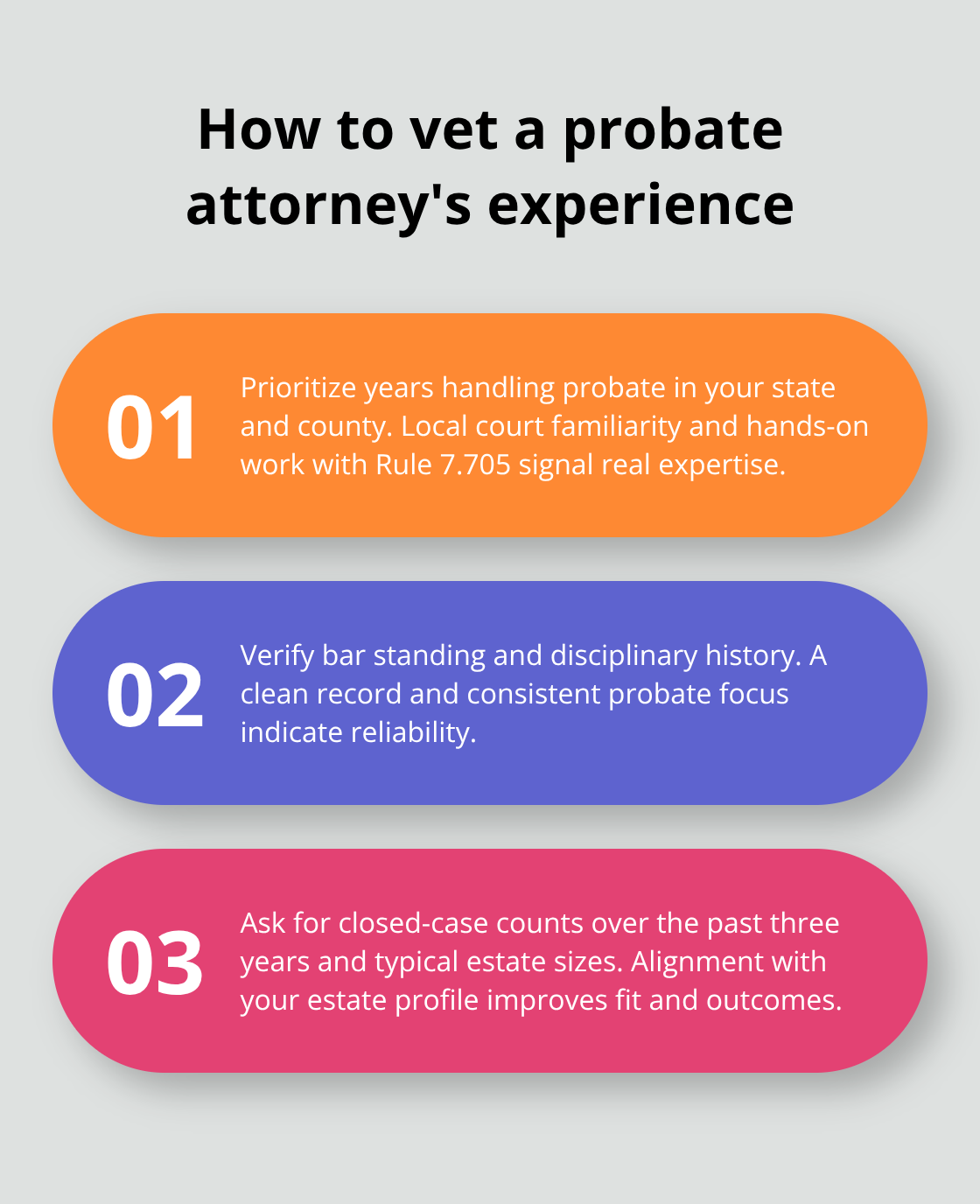
Years of practice matter far more than flashy credentials. When you evaluate a probate attorney, look at how long they have actually handled cases in your state and county. California Rules of Court Rule 7.705 governs statutory compensation for probate attorneys, and familiarity with these rules signals real experience. An attorney who has managed 50 probate cases knows the system better than one who has handled five, regardless of their law school ranking.
Check their bar association standing through your state bar’s official website and verify they have no disciplinary history. Ask directly how many probate cases they have closed in the past three years and what the average estate size was. This tells you whether they handle estates similar to yours or mostly small, simple cases.
Client Reviews Reveal What Matters Most
Client reviews show what actually counts: responsiveness and clear communication. Search Google, Yelp, and Facebook for feedback from people who have worked with the attorney. Look for specific comments about how quickly they responded to calls, whether they explained complicated probate steps in plain language, and if they delivered realistic timelines.
Avoid attorneys who refuse to provide written fee agreements or won’t discuss costs upfront. Communication style determines whether probate feels manageable or chaotic. Schedule phone calls with at least three candidates to assess how they explain the process. Do they rush you, or do they answer your questions thoroughly? Do they make you feel heard, or do they treat your concerns as minor?
Accessibility and Personal Attention Signal Commitment
An attorney’s willingness to meet in person and adapt to your schedule signals they value your case. Flexible meeting options (home or office visits) and free initial consultations reduce stress during an already difficult period. When an attorney prioritizes accessibility, they demonstrate that your situation matters beyond billable hours.
The probate process involves multiple court filings, asset inventories, and tax deadlines-all of which require consistent communication between you and your legal team. An attorney who responds promptly to emails and calls keeps momentum moving forward. Those who explain timelines clearly and answer questions without impatience help you understand what happens next, which reduces anxiety significantly.
As you narrow your list of candidates, pay attention to how each one treats you during initial conversations. This interaction style will define your entire probate experience.
Finding the Right Probate Attorney in Your Area
Start with Your State Bar Association
Your state bar association’s official website offers the most reliable starting point for your search. California’s State Bar maintains a lawyer referral service that filters attorneys by location and practice area. This approach beats random Google searches because the bar verifies licensure and disciplinary history automatically. Search for probate attorneys licensed in your specific county, not just your state, since probate procedures vary significantly by jurisdiction. When you find candidates, cross-reference their names on the State Bar’s discipline history portal to confirm clean records. Many attorneys list their experience with probate administration, executor duties, and trust management directly on their bar profiles, which saves time screening unqualified candidates.
Use Online Directories to Compare Credentials and Ratings
Online directories like LegalZoom and Avvo pre-vet attorneys and display client ratings alongside verified credentials. LegalZoom’s search function lets you filter by location, hourly rates, and whether they offer free initial consultations. Avvo shows peer ratings from other attorneys, which signals respect within the legal community. These platforms aggregate reviews from multiple sources, reducing the risk of fake testimonials. However, don’t rely solely on star ratings-read specific reviews mentioning probate work, responsiveness, and whether they explained costs clearly. Look for patterns in feedback rather than isolated complaints. An attorney with 20 reviews averaging 4.8 stars who handles probate regularly proves far more reliable than someone with five perfect reviews who lists probate as a secondary practice.
Tap Into Personal Networks for Real-World Insights
Personal referrals from family, friends, or colleagues who have completed probate carry enormous weight because those people lived through the process. Ask them directly: Did the attorney explain things clearly? Did fees match the estimate? How long did probate actually take? These answers reveal what matters most. Your accountant or financial advisor often knows reputable probate attorneys in your area since they work together on tax and asset matters. Estate planning attorneys you’ve consulted also maintain networks of trusted probate specialists they refer to when administration begins. Don’t hesitate to ask your current attorney for three specific names rather than vague suggestions. When someone recommends an attorney by name after describing their actual experience, that recommendation outweighs any online rating.
Schedule Consultations to Assess Fit and Experience
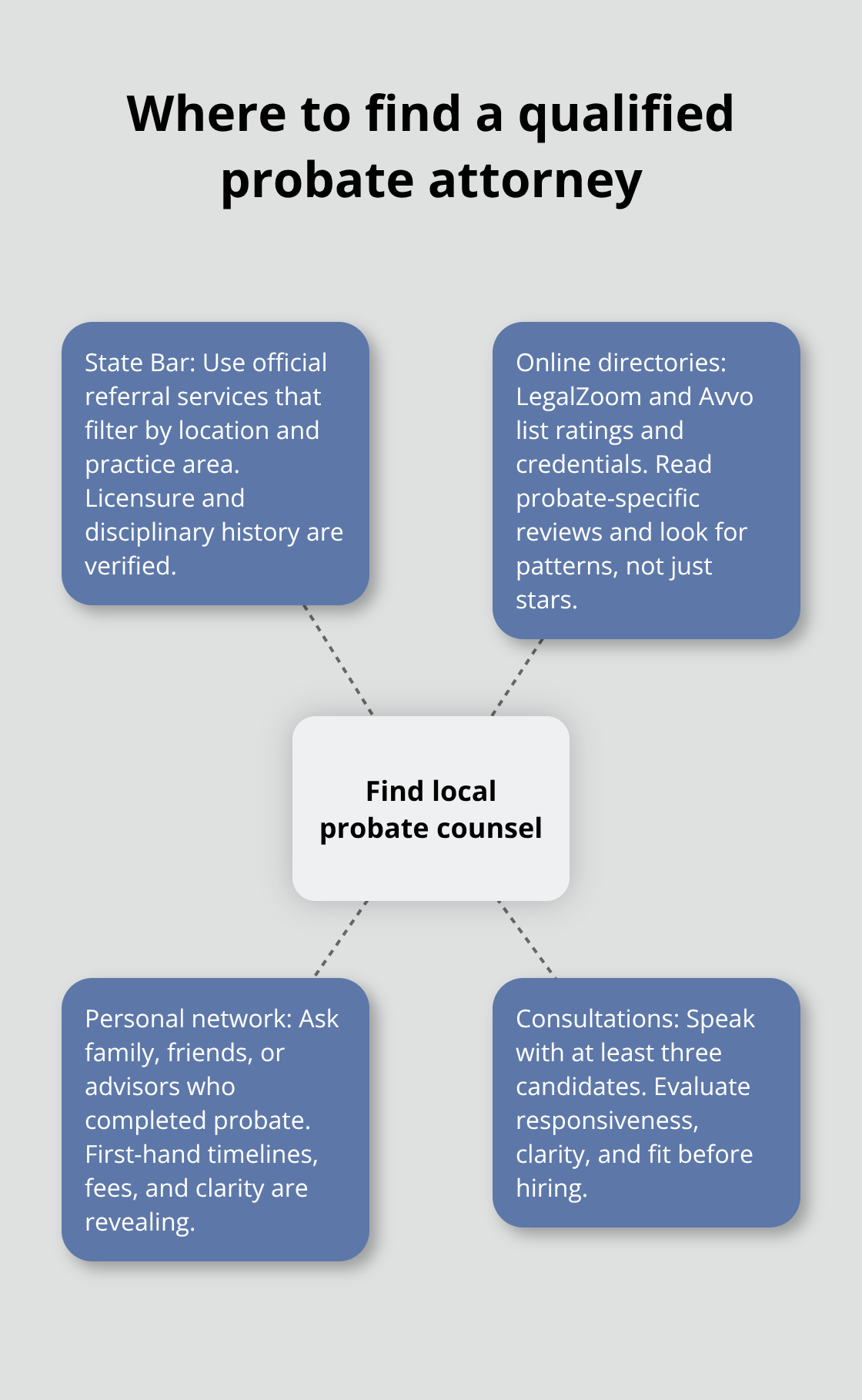
Schedule initial consultations with at least three candidates before deciding. Most attorneys offer these free, and you should never hire someone without speaking directly to them. During these calls, assess how they answer your questions about their probate caseload, average timeline for similar estates, and fee structure. Ask whether they handle cases like yours regularly or if you would be unusual for their practice. An attorney managing estates averaging $500,000 annually has different experience than one handling $5 million estates, and neither may be ideal for your situation. Pay attention to how they explain the probate timeline. If they promise resolution in three months for a complex estate with multiple heirs, they are either inexperienced or dishonest. Realistic timelines typically range from six months to two years depending on estate size and complications, according to probate court data.
Evaluate Communication and Accessibility During Initial Contact
How an attorney treats you during initial conversations predicts your entire probate experience. Flexible meeting options (home or office visits) and willingness to answer questions thoroughly signal that your case matters. An attorney who responds promptly to emails and calls keeps momentum moving forward. Those who explain timelines clearly and answer questions without impatience help you understand what happens next, which reduces anxiety significantly. When you narrow your list to two or three finalists, you’ll be ready to discuss fees, timelines, and the specific steps required for your estate-topics that determine whether probate becomes manageable or overwhelming.
Critical Questions to Ask Before You Commit
Before you sign a retainer agreement, you need direct answers about fees, timelines, and whether the attorney actually handles cases like yours. Vague responses or evasive answers signal trouble ahead.
Understand Fee Structures and Get Written Agreements
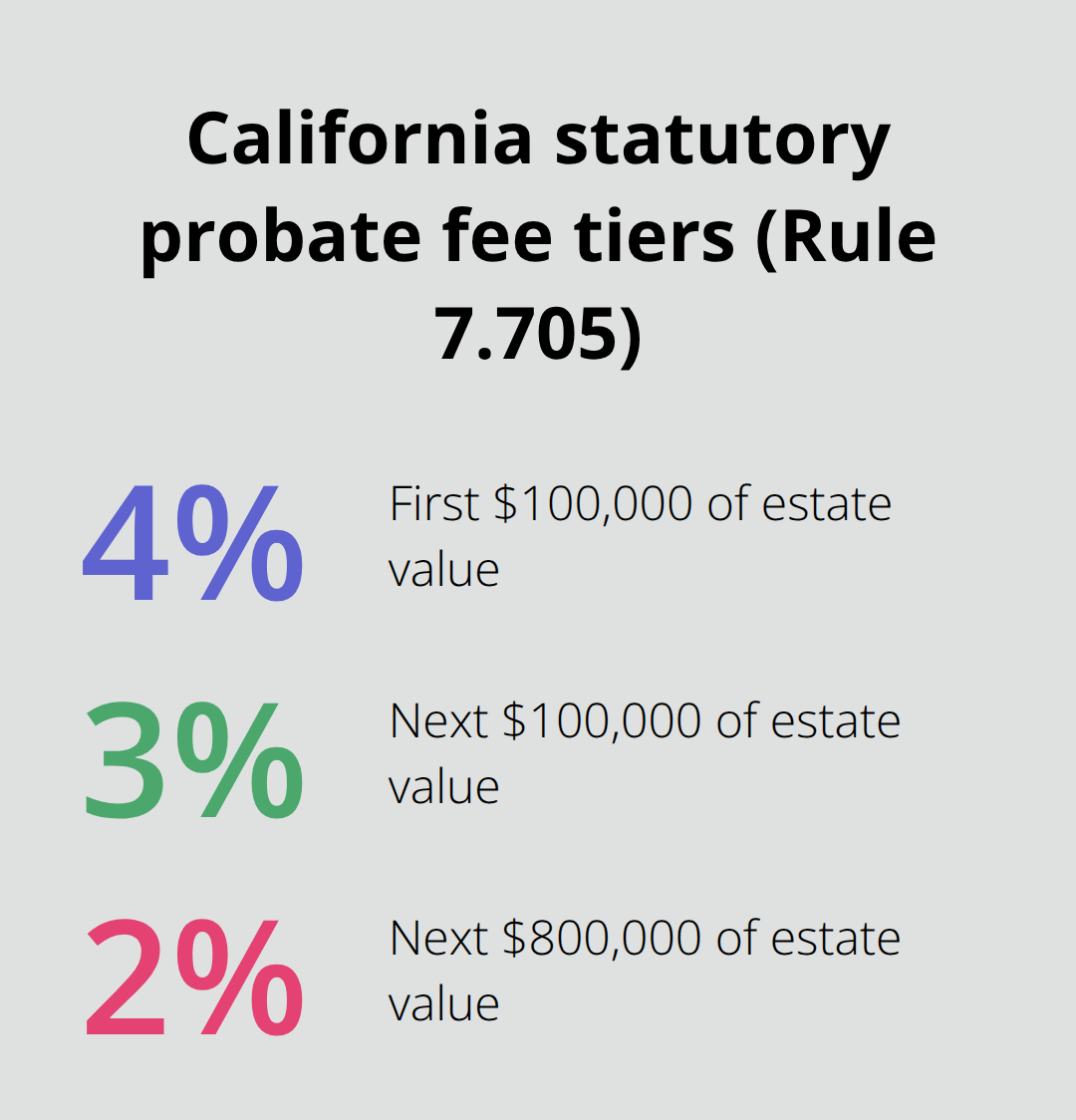
California’s probate fee schedule, governed by California Rules of Court Rule 7.705, sets statutory compensation based on estate value: 4% on the first $100,000, 3% on the next $100,000, 2% on the next $800,000, 1% on the next $900,000, and 0.5% on amounts exceeding $900,000. Understanding this structure helps you evaluate whether a proposed fee falls within reasonable bounds or represents overcharging.
Ask your attorney whether they will charge hourly rates, flat fees for specific tasks, or statutory commissions, and request a written fee agreement before you proceed. Many attorneys charge between $200 and $500 per hour depending on location and experience, but some prefer flat rates for straightforward estates or commissions in states that permit them. Don’t accept vague estimates like “around $5,000 to $15,000”-push for specificity based on your estate’s complexity, the number of heirs, and whether disputes exist.
Request Realistic Timelines for Your Specific Situation
The probate process typically takes six months to two years according to probate court data, though this varies dramatically depending on whether your estate is simple or involves contested assets, tax complications, or multiple properties. Ask your attorney for a realistic timeline specific to your situation, not a generic range. If they promise faster resolution without knowing your full circumstances, they lack experience with actual probate timelines.
Request a written explanation of what happens during each phase, including court filing deadlines, tax return requirements, and asset distribution schedules. An experienced attorney will outline these steps clearly and explain which ones take the longest. This clarity helps you understand what to expect and when.
Assess Their Caseload and Local Experience
Ask directly how many probate cases they have handled in your county over the past three years, what the average estate size was, and whether they have managed cases with similar assets or beneficiary situations to yours. This reveals whether you are a routine case for them or an unusual one that requires learning as they go.
An attorney managing 40 cases annually in your county knows local probate judges, court staff expectations, and common procedural delays far better than one handling five probate matters annually alongside divorce and personal injury work. Their familiarity with your specific jurisdiction matters significantly.
Verify References and Red Flags
Request references from clients whose estates closed within the past year, and don’t hire anyone who refuses this request. Speaking directly with former clients reveals whether the attorney delivered on promises and communicated clearly throughout the process.
Watch for red flags: attorneys who won’t provide written fee agreements, those who pressure you to decide immediately, or those who guarantee specific outcomes. These behaviors indicate someone more focused on collecting fees than serving your family’s interests.
Final Thoughts
A probate attorney near me becomes your family’s guide through one of life’s most complicated processes. When you hire someone local who understands your county’s specific court procedures, knows the judges and staff, and has closed dozens of estates similar to yours, probate transforms from overwhelming to manageable. The difference between working with an experienced local attorney and handling probate alone can mean thousands of dollars in unnecessary costs and months of preventable delays.
The steps outlined in this guide-evaluating experience, checking references, asking direct questions about fees and timelines, and scheduling consultations-take time upfront but save enormous stress later. You now know what to look for, where to search, and exactly what questions separate qualified attorneys from those who will waste your time and money. Trust your instincts during initial conversations, and if an attorney makes you feel heard, explains things clearly, and provides written fee agreements without hesitation, you’ve likely found someone worth hiring.
Acting now matters more than waiting. If you haven’t yet completed estate planning, starting that conversation with a probate attorney prevents your family from facing probate complications later. If you’re already managing an estate, finding the right attorney immediately stops problems from compounding. We at Law Offices of Roshni T. Desai offer free consultations with flexible home or office visits to fit your schedule, and we welcome the opportunity to discuss your situation and help you take the first step toward protecting your family’s future. Contact us today to get started.