



Probate property management: Keeping Assets Safe During Estate Administration
When an estate enters probate, property management becomes one of your most pressing concerns. Assets need protection, documentation must stay current, and oversight can’t slip.
We at Law Offices of Roshni T. Desai have seen what happens when property management falls through the cracks during administration-deterioration, missed tax deadlines, and unnecessary legal complications. This guide walks you through the practical steps to keep your estate assets secure and compliant from start to finish.
Protecting Assets from Day One
Start with a complete inventory before anything else happens. Within the first two weeks after death, locate and document every asset the deceased owned-real estate, vehicles, bank accounts, investments, jewelry, and business interests. Create a detailed list with descriptions, locations, and estimated values. This inventory establishes what existed at the time of death and protects you legally. Without this documentation, beneficiaries, creditors, and the court will question what happened to estate property. Photograph valuable items and store photos separately from the originals. If the estate includes real property, obtain a professional appraisal within the first month; property values fluctuate, and delays in valuation can cost thousands of dollars in lost equity or create disputes among beneficiaries about fair distribution.
Securing Physical Properties and Preventing Loss
Vacant properties attract theft and deterioration rapidly. Lock all doors and windows immediately, activate security systems, and change alarm passcodes if the deceased had them. Remove high-value items like jewelry, electronics, and cash to a safe deposit box or secure storage within the first few weeks.
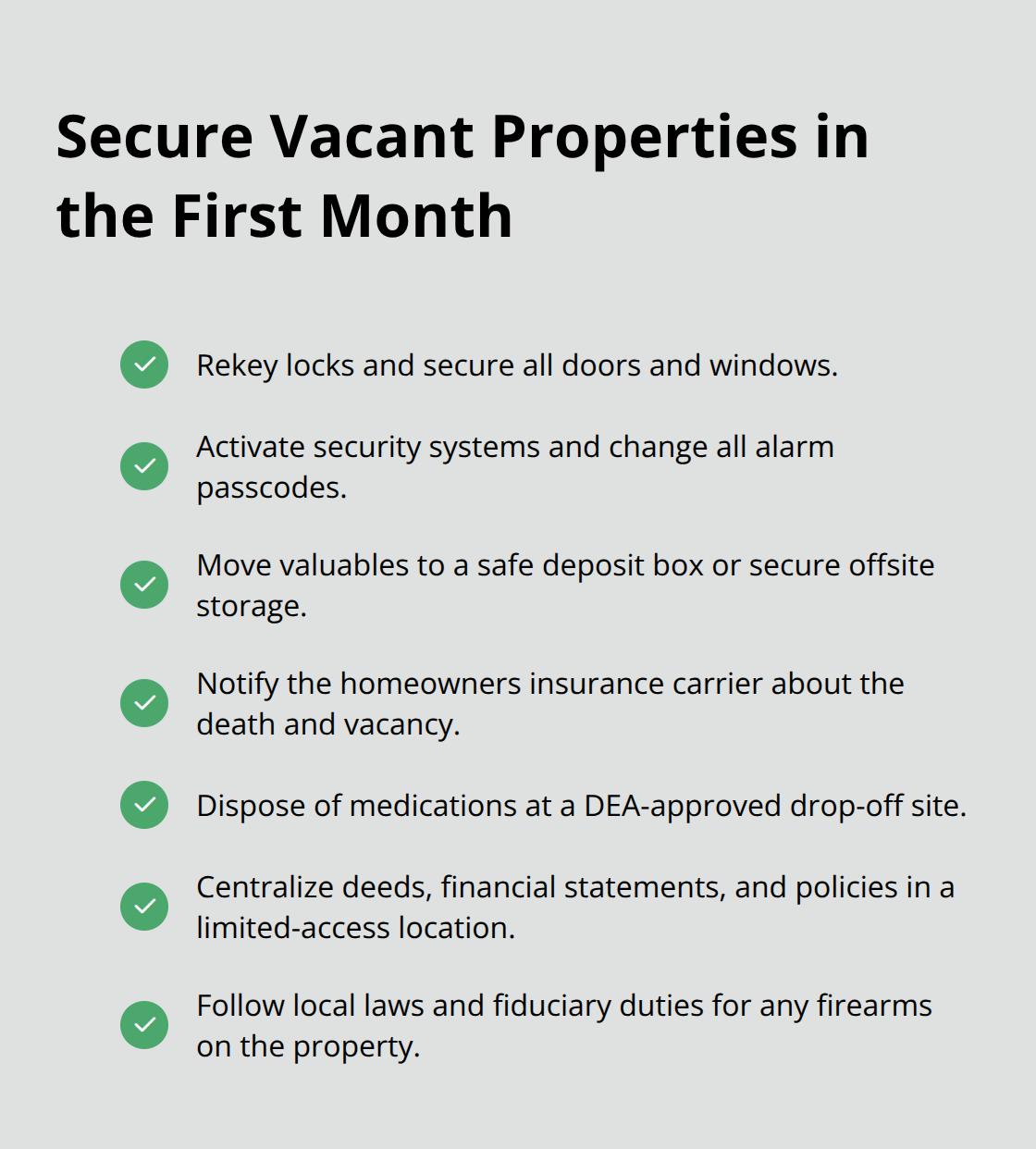
If the property will sit vacant for more than a month, ask a trusted neighbor to monitor it or arrange for someone to stay there during the funeral period. Notify your homeowners insurance provider about the death and any extended vacancy; many policies require notification to maintain coverage, and failure to disclose vacancy can void claims. For medications on the property, dispose of them at a DEA-approved drop-off location rather than flushing them or leaving them accessible. Secure all sensitive documents-deeds, financial statements, insurance policies-in one organized location with limited access. If firearms are present, comply with local laws and understand your fiduciary responsibility to handle them safely.
Managing Ongoing Property Maintenance and Utilities
Keep utilities active during administration unless the property will sell immediately. Active utilities help preserve the structure, prevent frozen pipes in winter, and deter squatters better than a dark, cold house. Maintain curb appeal through lawn mowing, driveway clearing, and mail removal; properties that appear neglected attract break-ins and become targets for vandalism. Schedule a professional property inspection within the first month to identify issues like missing roof shingles, clogged gutters, or water damage before they escalate into expensive repairs. If a mortgage exists, continue payments to avoid foreclosure during probate; the estate must cover these costs before distribution to beneficiaries. For rental properties, ensure tenants continue paying rent and follow their leases, or hire a property manager if you lack experience managing tenants. Document all maintenance and utility payments in the estate account with receipts and invoices; these costs are legitimate estate expenses that reduce the taxable estate and must be tracked for your accounting to the court and beneficiaries.
Handling Complex Property Assets
Real estate and rental properties demand active management throughout probate. For vacant homes, maintain the property’s condition and prevent deterioration through regular inspections and timely repairs. For rental properties, collect rent payments, enforce lease terms, and address tenant issues promptly. Consider hiring a property manager if the estate includes multiple units or if you lack experience with tenant relations. Vehicles require attention as well-manage loan payments, maintain insurance coverage, and arrange for storage if the vehicle won’t transfer immediately to a beneficiary. Investment accounts and business interests need careful oversight too. Review the decedent’s investment portfolio for volatility; avoid acting on volatile stocks and instead move high-risk holdings to safer investments like government bonds or cash. All investment income, including dividends, flows into the estate account. If the deceased operated a business, decide whether to continue operations, hire someone to run it, or close it based on the will and beneficiaries’ interests. These decisions shape how quickly the estate settles and how much value transfers to heirs.
What Costs Executors Miss When Properties Aren’t Maintained
Property Deterioration Creates Cascading Financial Damage
Property neglect during probate creates a cascade of financial damage that executors often underestimate. When you skip maintenance or defer repairs, small issues become catastrophic expenses. A missing roof shingle ignored for three months becomes water damage that costs $15,000 to remediate. Frozen pipes in an unheated winter home burst and destroy walls, flooring, and personal property inside the estate. The executor bears responsibility for these preventable losses because courts view property deterioration as a breach of fiduciary duty.
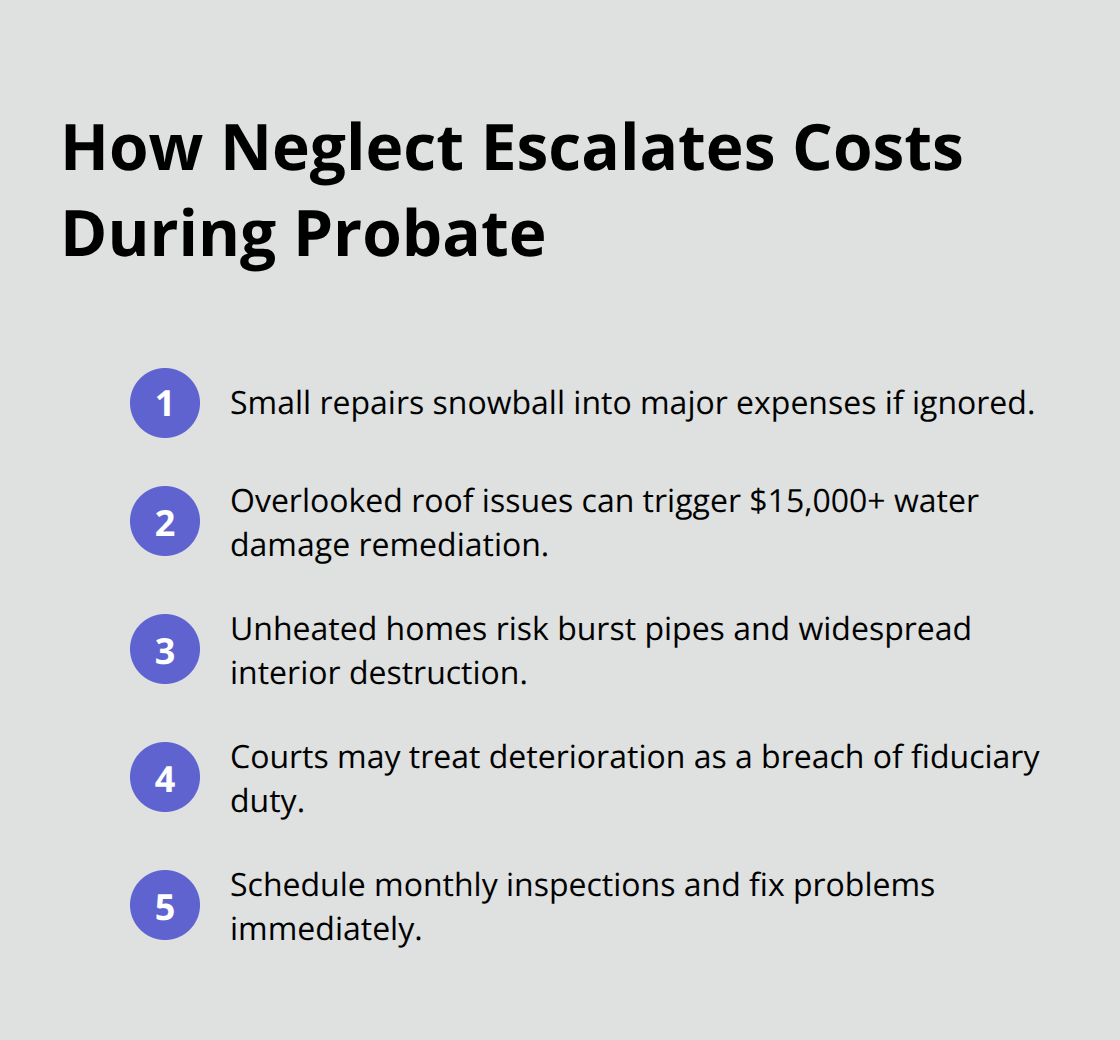
You must actively maintain the property throughout administration, not passively wait for distribution deadlines. This means scheduling inspections monthly, addressing repairs immediately, and documenting every action.
Insurance Lapses Strip Protection from Estate Assets
Insurance coverage lapses when properties sit vacant without notification to the carrier. Many homeowners insurance policies automatically void coverage if a home remains unoccupied for more than 30 to 60 days without explicit notification. When theft or weather damage occurs on an uninsured property, the estate absorbs the full loss. Beneficiaries then discover their inheritance shrunk because you failed to notify an insurance company. This single oversight can eliminate thousands of dollars in protection that the deceased paid premiums to maintain.
Tax Obligations Compound Losses Rapidly
Tax obligations compound the damage further. Property taxes continue accruing whether or not the estate settles. If you miss a property tax deadline, penalties and interest accumulate at rates between 1.5% and 2% monthly in most states, plus potential foreclosure actions that strip equity from the estate. Income taxes on rental properties require annual filing even during probate administration. A rental property generating $3,000 monthly in rent requires annual income tax filing, and failure to file creates IRS liens against the estate that take priority over beneficiary distributions. Business assets demand similar attention; if the deceased operated a sole proprietorship, the business continues generating tax obligations until you formally close it or transfer it to a new owner. Ignoring these obligations creates a situation where the estate owes more in penalties and back taxes than it originally contained in assets.
Active Management Prevents Loss and Protects Your Position
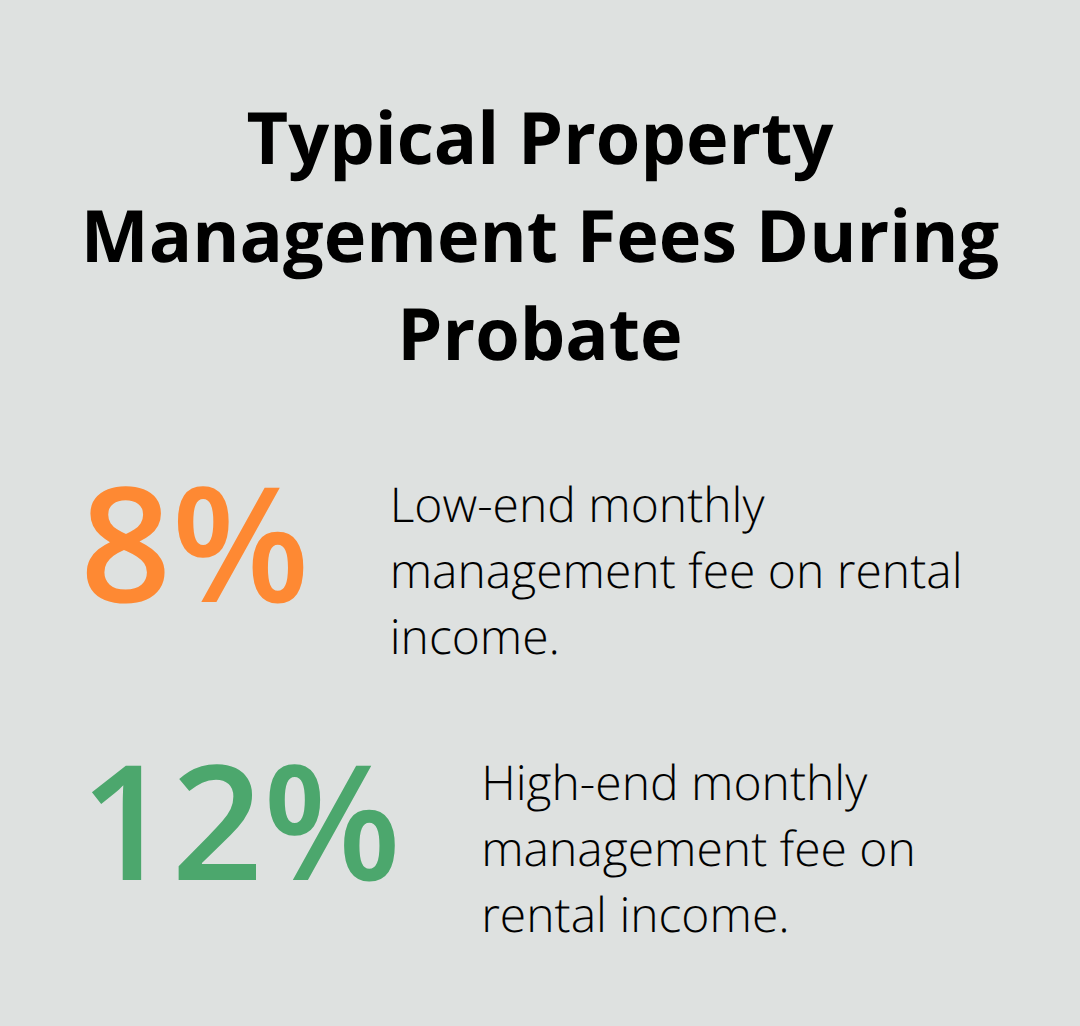
The most damaging mistake is allowing properties to deteriorate without a clear maintenance plan. Assign responsibility to one person before probate administration begins. That person should visit rental properties weekly, vacant homes every two weeks, and business locations according to operational needs. Create a maintenance log documenting every visit, repair, inspection finding, and cost. This log protects you legally by proving you acted as a reasonable fiduciary would act. Properties that appear abandoned attract squatters, vandals, and thieves at higher rates than maintained properties. A property manager or trusted family member who checks the property regularly sends a signal that someone still cares about the place. Keep utilities active, maintain the lawn, remove accumulated mail, and repair visible damage promptly. For properties with significant value, hire a professional property manager even if you think you can handle it yourself. The cost of professional management typically runs 8% to 12% of monthly rental income, but this investment prevents costly mistakes that far exceed management fees. The fiduciary duty you carry as executor is not optional-it requires active, documented management of every asset in the estate from the date of death through final distribution.
These decisions about maintenance, repairs, and tenant management directly shape how much value actually reaches your beneficiaries when the estate finally closes.
Why Professional Administration Protects Assets Better Than DIY Management
Property management during probate demands meticulous documentation, timely decision-making, and legal compliance that most executors handle poorly without guidance. When you manage probate property alone, you face competing demands: maintaining physical properties, tracking expenses, filing tax returns, coordinating asset sales, and managing beneficiary expectations simultaneously. One oversight-a missed insurance deadline, a delayed property tax payment, or a poorly documented repair-creates liability that courts view as a breach of fiduciary duty. Professional probate administration eliminates these gaps through systematic processes that track every transaction and decision.
Organized Records Become Your Legal Defense
A probate administrator maintains organized records showing exactly what happened to each asset, when repairs occurred, which expenses the estate paid, and how decisions protected beneficiary interests. These records become your legal defense if beneficiaries later challenge your actions or if creditors dispute claims against the estate. Courts recognize that executors who maintain detailed documentation acted reasonably, even if outcomes weren’t perfect. Without this documentation, courts assume negligence. You create a paper trail that protects you from liability and demonstrates fiduciary responsibility to the court.
Property Sales Require Market-Appropriate Pricing
When property sales occur during probate, the process becomes exponentially more complex without professional coordination. You must obtain appraisals, list properties at fair market value, manage inspections and negotiations, coordinate with real estate agents, and document that you obtained the best possible price for beneficiaries. Many executors price properties too low to close sales quickly, inadvertently shortchanging beneficiaries by thousands of dollars. A qualified probate administrator ensures properties receive market-appropriate pricing and that sale proceeds flow into the estate account for proper distribution.
Tax Obligations Demand Proactive Planning
Tax obligations compound significantly when properties remain in the estate during administration. Rental properties generate annual income tax filing requirements; real estate held for sale may trigger capital gains taxes; and business assets create ongoing tax liability. A professional administrator coordinates with tax preparers to file required returns on schedule, claim available deductions like funeral expenses or administrative costs, and prevent penalties that accumulate monthly. Missing a single property tax deadline costs 1.5% to 2% monthly in penalties plus potential foreclosure action. Missing an income tax filing deadline for rental property generates IRS liens that take priority over beneficiary distributions. These mistakes are permanent-they cannot be undone after the fact, and beneficiaries bear the financial consequences. Professional administration prevents these errors through calendar-based deadline tracking and proactive tax planning rather than reactive scrambling after deadlines pass.
Final Thoughts
Probate property management demands constant attention from the moment death occurs through final asset distribution. You must create a detailed inventory, secure physical properties, maintain insurance coverage, manage ongoing expenses, and document every decision throughout administration. Executors who skip these steps face cascading financial damage: deteriorated properties lose thousands in value, missed insurance notifications void coverage, and delayed tax filings generate penalties that compound monthly. Courts view these oversights as breaches of fiduciary duty, exposing you to personal liability and beneficiary disputes that extend probate timelines by months or years.
The financial stakes are substantial and preventable. A single missed property tax deadline costs 1.5% to 2% monthly in penalties, while unheated homes develop frozen pipe damage exceeding $15,000. Rental properties without active management lose tenant income and accumulate maintenance backlogs that reduce what beneficiaries ultimately receive. Professional probate administration eliminates these gaps through systematic processes that track every transaction, maintain organized records, coordinate property sales at fair market value, and manage tax obligations proactively.
We at Law Offices of Roshni T. Desai understand the complexity of managing estate property during probate and provide personalized administration services across Southern California. Ms. Desai’s dual licensure as an attorney and real estate professional streamlines property-related transactions, reducing costs and delays for families navigating probate property management challenges. Contact us for a free consultation to discuss your specific situation and explore how professional guidance protects your assets and simplifies administration.