



Southern California Probate Process: A Clear Path Through Court
Probate in Southern California doesn’t have to feel overwhelming. The process follows clear steps, though it does require attention to detail and timing.
We at Law Offices of Roshni T. Desai have guided families through this system for years. This guide walks you through what to expect, common obstacles, and how to move forward with confidence.
When You Actually Need Probate in Southern California
Probate Isn’t Always Required
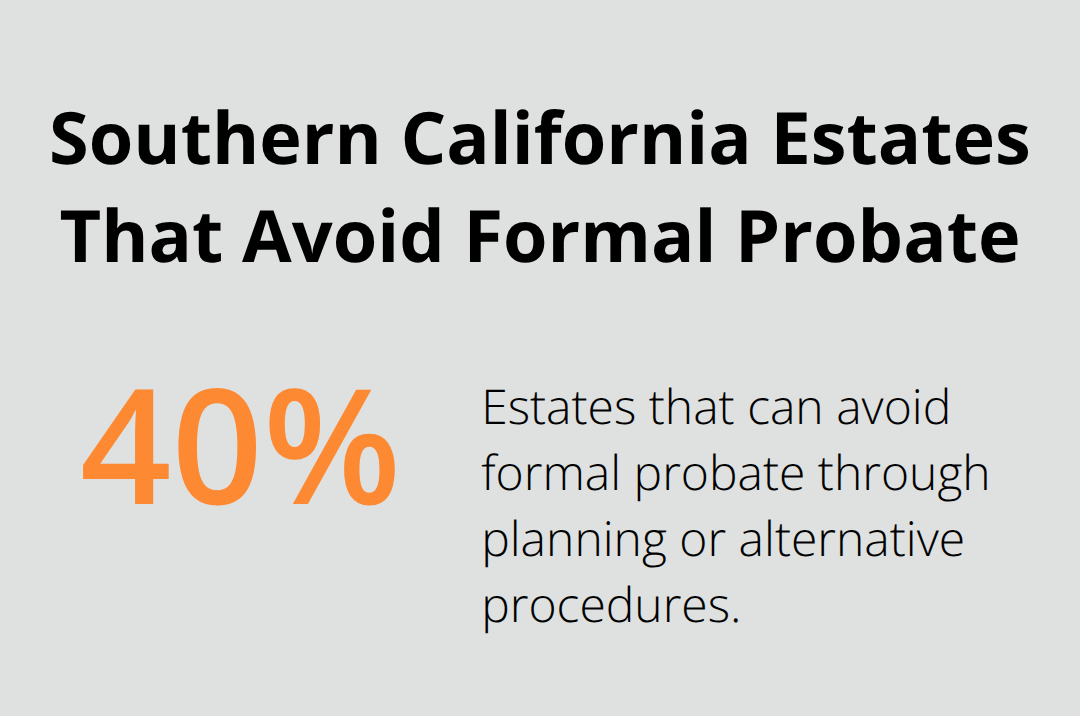
Probate isn’t automatic. Many families assume they need it, but roughly 40% of Southern California estates can avoid formal probate entirely through planning or alternative procedures.
The threshold matters: if the decedent’s total estate value falls below $208,850 in personal property and there’s no real estate, a small estate affidavit under California Probate Code 13100 releases funds directly to heirs without court involvement. For estates with a primary residence valued at $750,000 or less as of April 1, 2025, a petition to determine succession to primary residence sidesteps traditional probate. Assets held in trusts, accounts with named beneficiaries, joint tenancy property, or transfer-on-death deeds pass outside probate automatically.
When Formal Probate Becomes Necessary
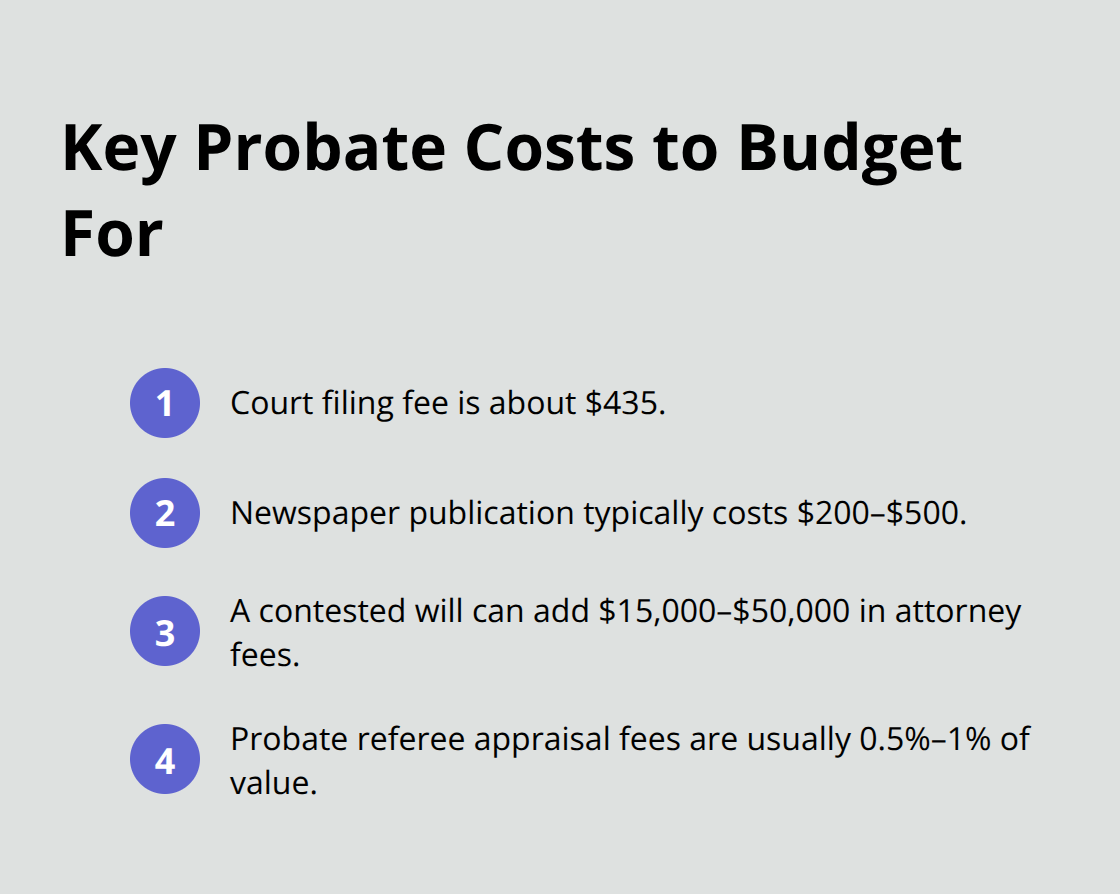
Formal probate becomes necessary when the estate exceeds these thresholds, contains real property not in a trust, or lacks beneficiary designations. The filing fee is roughly $435, though hardship waivers exist and costs are recoverable from the estate itself. Most Southern California probate cases run 9 to 18 months from petition filing to final distribution, though complex estates with family disputes or high-value real estate regularly extend past 18 months.
Required Documents and Strict Deadlines
The personal representative must file a Petition for Probate with the original will, death certificate, a list of heirs and beneficiaries, and an estate value estimate. Within four months, an Inventory and Appraisal of all probate assets must be submitted to the court-this deadline is strict and missing it creates serious delays. The personal representative gains fiduciary authority to notify creditors via formal notice, manage assets, pay debts and taxes, and distribute what remains.
Why the Formal Process Protects Your Family
Probate verifies the will’s validity, establishes who legally inherits when there’s no will, and protects heirs from unknown creditor claims that arise after distribution. Without probate’s formal process, a creditor could pursue heirs personally years later. This structured path, though time-consuming, prevents costly mistakes and provides legal certainty. Understanding these requirements sets the stage for navigating the actual court steps ahead.
How the Southern California Probate Court System Works
Filing the Petition and Getting Appointed
The personal representative submits a Petition for Probate (Form DE-111) with the original will, death certificate, a complete list of heirs and beneficiaries, and an estimated estate value to the probate court in the county where the decedent lived. The $435 filing fee is recoverable from estate funds. Once filed, the court schedules a hearing typically 4 to 8 weeks out. At the court hearing, the judge appoints the executor named in the will or, if there’s no will or the named executor declines, appoints an administrator following California’s priority rules: surviving spouse first, then children, grandchildren, parents, or siblings. The personal representative gains fiduciary authority to act for the estate immediately upon appointment.
Notifying Heirs, Beneficiaries, and Creditors
Before the court hearing, the personal representative must notify all known heirs, beneficiaries, and creditors-this step is legally mandatory and skipping it invites serious problems later. The Notice of Administration to Creditors (Form DE-157) goes to known creditors, and a newspaper notice publishes in the county where the decedent resided. Publication costs run $200 to $500 depending on the county and are paid from the estate. Many families underestimate this notification requirement; missing even one known creditor can result in claims filed after distribution is complete, forcing the personal representative into personal liability.
Proactively contacting known creditors directly-not relying solely on newspaper notices-prevents post-closing surprises and protects the estate from unexpected claims.
Preparing the Inventory and Appraisal
The personal representative must immediately prepare an Inventory and Appraisal (Form DE-160) listing all probate assets. This four-month deadline is strict-missing it signals serious problems to the court and creditors. Non-cash assets like real estate, business interests, or artwork require appraisals by a probate referee appointed by the court; referee fees typically run 0.5% to 1% of the appraised value and are charged to the estate. Simultaneously, the personal representative must identify all debts, tax obligations, and creditor claims. California Probate Code Section 8120 gives creditors 4 months from the first publication of the Notice of Administration to file claims; after that window closes, most creditors lose their rights except for certain government entities.
Handling Taxes, Debts, and Distributions
The personal representative must file the decedent’s final income tax return and potentially an estate tax return if the gross estate exceeds $13.61 million as of 2024 under federal rules. Coordinating with a tax professional before making distributions prevents the personal representative from accidentally distributing funds needed for taxes, which creates personal liability. Debts, funeral expenses, probate administration costs, and taxes must be paid before any distributions to heirs-if cash is short, assets may need liquidation on unfavorable terms. This careful sequencing of obligations protects both the estate and the personal representative from costly missteps.
Moving Forward with Asset Sales and Distributions
Once creditor claims are resolved and tax obligations are clear, the personal representative can move forward with asset sales if needed and prepare final distributions to heirs. The timing and method of these sales-particularly for real estate-directly affect how quickly the probate closes and how much value remains for beneficiaries. Understanding the mechanics of selling property during probate and coordinating with professionals who know Southern California’s market conditions becomes the next critical step in completing the estate administration efficiently.
What Goes Wrong in Probate and How to Stop It
Family Conflict Destroys Timelines and Budgets
Family conflict over asset distribution remains the single biggest cause of probate delays in Southern California. When multiple heirs disagree about who inherits what, whether the will is valid, or whether undue influence affected the decedent’s decisions, litigation costs explode. A contested will case adds $15,000 to $50,000 or more in attorney fees alone, and the timeline stretches from 9-18 months to 2-3 years or longer. Blended families with step-children and multiple marriages create the most friction because inheritance expectations clash head-on.
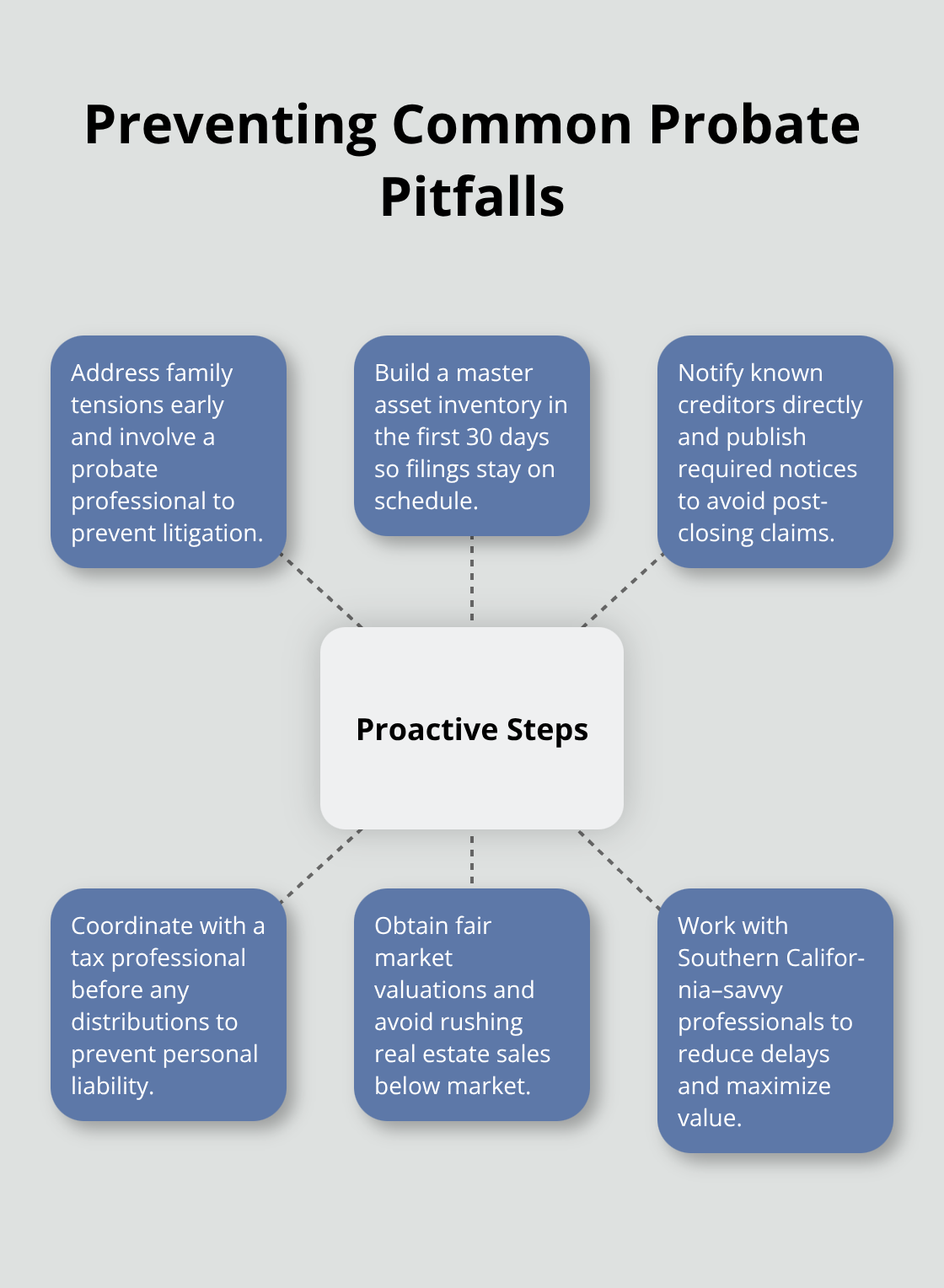
If you suspect family conflict, contact a probate professional immediately rather than hoping disagreement disappears. The personal representative should address tensions early before they harden into litigation positions that drain the estate.
Missing Documentation Wastes Months
Missing or disorganized documentation compounds probate problems dramatically. Many personal representatives waste months hunting for asset records, tax returns, deed copies, and insurance policies that should have been gathered within the first 30 days. A master inventory created upfront-listing every asset, its ownership structure, approximate value, and document location-cuts 3-4 months off the overall timeline and allows the required Inventory and Appraisal to file on schedule within four months.
Without this preparation, the four-month deadline becomes impossible, signaling serious problems to creditors and the court. Create this inventory before the probate petition even files to protect the estate from unnecessary delays.
Tax Obligations and Creditor Claims Create Personal Liability
Tax obligations and creditor claims trip up unprepared personal representatives constantly. The decedent’s final income tax return must file by the normal deadline, and if the gross estate exceeds $13.61 million in 2024, an estate tax return becomes due as well. Many personal representatives distribute assets to heirs before consulting a tax professional, then discover they’ve handed out money needed for tax bills-creating personal liability for the executor.
Creditors have exactly four months from the first newspaper publication of the Notice of Administration to file claims under California Probate Code Section 8120. After that window closes, most creditors lose their right to file, but government entities and certain other creditors retain longer periods. Proactively contact known creditors directly to prevent post-closing claims that force reopening the estate and extracting funds from heirs.
Real Estate Sales Require Careful Timing and Valuation
For real estate sales during probate, the property must appraise at fair market value as of the decedent’s death date, and any sale requires court approval or specific statutory authority. Rushing a property sale to raise quick cash often means accepting below-market offers that shrink what heirs receive. Coordinating with a tax professional before any distributions and allowing proper time for asset sales protects the estate from these avoidable mistakes.
The personal representative should work with professionals who understand Southern California’s market conditions and probate requirements to maximize property value and minimize delays during the sale process.
Final Thoughts
Southern California probate follows predictable steps when you prepare properly from the start. The typical 9 to 18 month timeline becomes manageable once you create a master inventory within the first month, gather all documents immediately, and coordinate with a tax professional before distributions. Families who take these actions avoid the most common pitfalls that extend timelines, trigger family conflict, and consume tens of thousands in unexpected fees.
The difference between a smooth probate and a costly nightmare often comes down to early organization and professional guidance. Those who wait, hope problems disappear, or attempt to navigate the Southern California probate process alone typically face extended timelines, unexpected creditor claims, and attorney fees that drain estate funds. We at Law Offices of Roshni T. Desai have guided families through this system for years, and our dual licensure as both an attorney and real estate professional means we streamline estate-related property sales to reduce costs and delays.
If you’re facing probate or planning ahead to avoid it, reach out to Law Offices of Roshni T. Desai today for a free consultation with flexible home or office visits. A clear path through the court system starts with one conversation.