




Trust Administration and Real Estate: Synchronizing Wills, Trusts, and Titles
Most property owners don’t realize their wills, trusts, and real estate titles are working against each other. When these documents fall out of sync, probate delays, costly disputes, and family conflict follow.
We at Law Offices of Roshni T. Desai have seen how trust administration and real estate coordination prevents these problems. This guide shows you exactly how to align your documentation and protect what matters most.
What Happens When Your Trust and Property Title Don’t Match
The Misalignment Problem
A property owner creates a revocable living trust, names it as the beneficiary of their estate plan, then never retitles the house. Ten years later, the property still sits in their individual name. When they pass away, their family discovers the house isn’t actually controlled by the trust-it has to go through probate anyway, defeating the entire purpose of the trust. This scenario repeats constantly, and the costs are substantial.
Probate in California takes an average of 18 months to three years, during which time the property cannot be sold, refinanced, or transferred. Meanwhile, title companies refuse to issue policies without clear documentation, and financial institutions won’t release funds held in escrow until the title chain is resolved.
How Retitling Errors Derail Everything
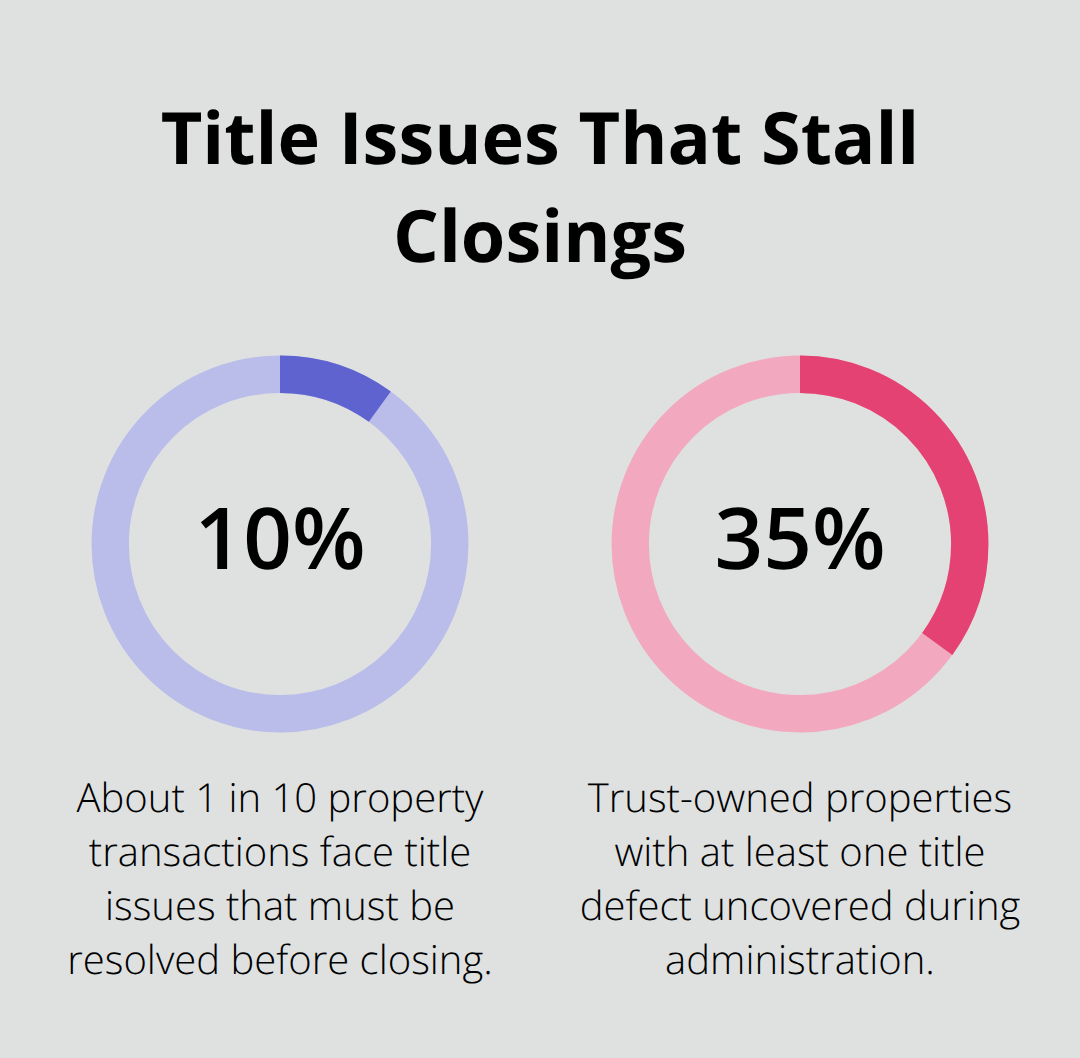
A single retitling error-misspelling a name, using the wrong legal description, or listing the wrong trustee-can trigger title searches that delay closings by weeks or months. The American Land Title Association reports that approximately 1 in 10 property transactions face title issues that require resolution before closing can occur. When a trust-owned property has conflicting documentation, that percentage jumps dramatically.
Beneficiaries cannot access inherited properties because nobody coordinated the deed transfer with the trust documents during the initial planning phase. This coordination gap creates a cascade of problems that extend far beyond paperwork delays.
The Financial Impact of Documentation Gaps
Misalignment between your will, trust, and property records creates concrete financial damage. If a property is supposed to be held in trust but remains titled individually, probate fees can consume 3 to 7 percent of the property’s value in California. A $500,000 home could cost $15,000 to $35,000 in unnecessary probate expenses.
Title insurance companies often refuse to insure properties with conflicting ownership records, making the property essentially unsellable without expensive quiet title actions. Beneficiaries facing these situations typically spend $2,000 to $5,000 in additional legal fees just to straighten out the paperwork.
Timing and Market Pressures
Documentation problems force beneficiaries to miss market opportunities or accept lower offers from buyers willing to work around title complications. If a beneficiary needs to sell an inherited property quickly to cover estate debts or their own living expenses, these delays become financially devastating.
Property management becomes impossible during administration when the trust documents don’t reflect actual ownership. Tenants stop paying rent, maintenance issues go unaddressed, and the property deteriorates because nobody can legally authorize repairs or collect income without clear title documentation. These cascading problems demonstrate why coordinating your trust documents with actual property titles during the planning phase-rather than after death-matters so much.
Coordinating Real Estate Expertise with Your Estate Plan
The Coordination Gap That Costs Thousands
Property owners treat their estate plan and real estate titles as separate concerns. They hire an estate planning attorney to draft their trust, then work with a real estate agent to manage property sales, never connecting the two. This separation creates the exact misalignment problems discussed earlier. What you actually need is coordinated expertise that treats your trust documents and property titles as one integrated system.
An attorney who understands real estate law spots retitling problems before they happen. A real estate professional who understands trust administration identifies title issues that will block future sales or transfers. Most importantly, these professionals communicate directly during your initial planning phase, not after your death when corrections become expensive and complicated.
Why Dual Expertise Matters
When one professional holds both attorney and real estate credentials, they eliminate the coordination gap entirely. This combination of expertise means your trust documents align with your actual property titles from day one, preventing the 18-month probate delays and costly disputes that plague misaligned estates. At Law Offices of Roshni T. Desai, Ms. Desai’s dual licensure as both an attorney and real estate professional streamlines estate-related property transactions to reduce costs, delays, and communication problems.
Conducting Your Property Audit
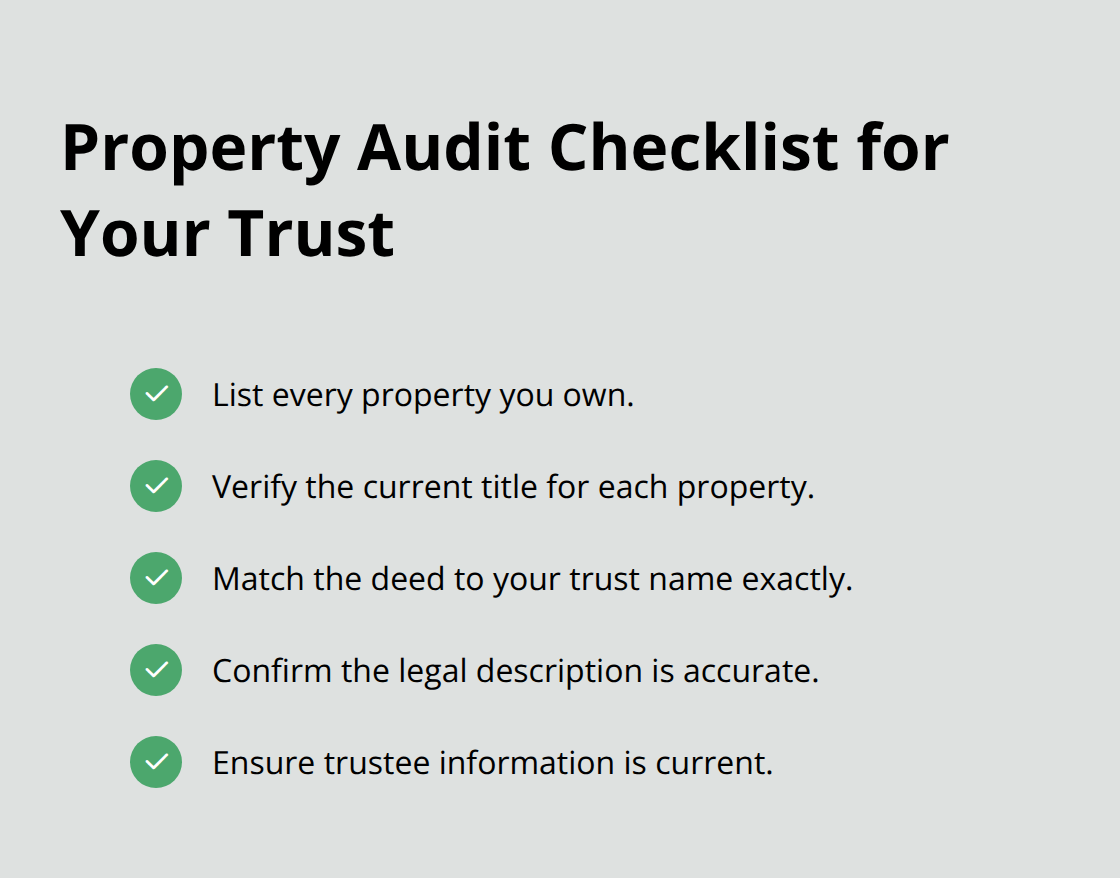
Start by conducting a complete property audit before you finalize your estate plan. List every property you own, then verify the current title for each one. Check whether the deed matches your trust name exactly, whether the legal description is accurate, and whether the trustee information is current (misspelled names and incorrect legal descriptions appear frequently during this audit).
Synchronizing Deed Transfers and Trust Amendments
Coordinate your deed transfers with your trust amendments simultaneously. Do not update your trust and then retitle your property six months later. These actions need to happen together, with both documents reviewed for consistency before either one is recorded. If you own multiple properties, this coordination becomes even more critical because each property may have different title requirements or transfer restrictions.
Creating Your Documentation Record
Document everything in writing and keep copies of all deeds, trust amendments, and correspondence with title companies in one organized file. When your family faces trust administration later, they will have clear evidence of what was intended and what actually happened, eliminating disputes about whether properties were supposed to be trust-owned or individually owned. This organized record becomes your family’s roadmap during the administration process.
With your property titles and trust documents now aligned, the next step involves understanding how to manage trust-owned real estate once administration actually begins.
Managing Trust-Owned Real Estate During Administration
Title Requirements for Trust Properties
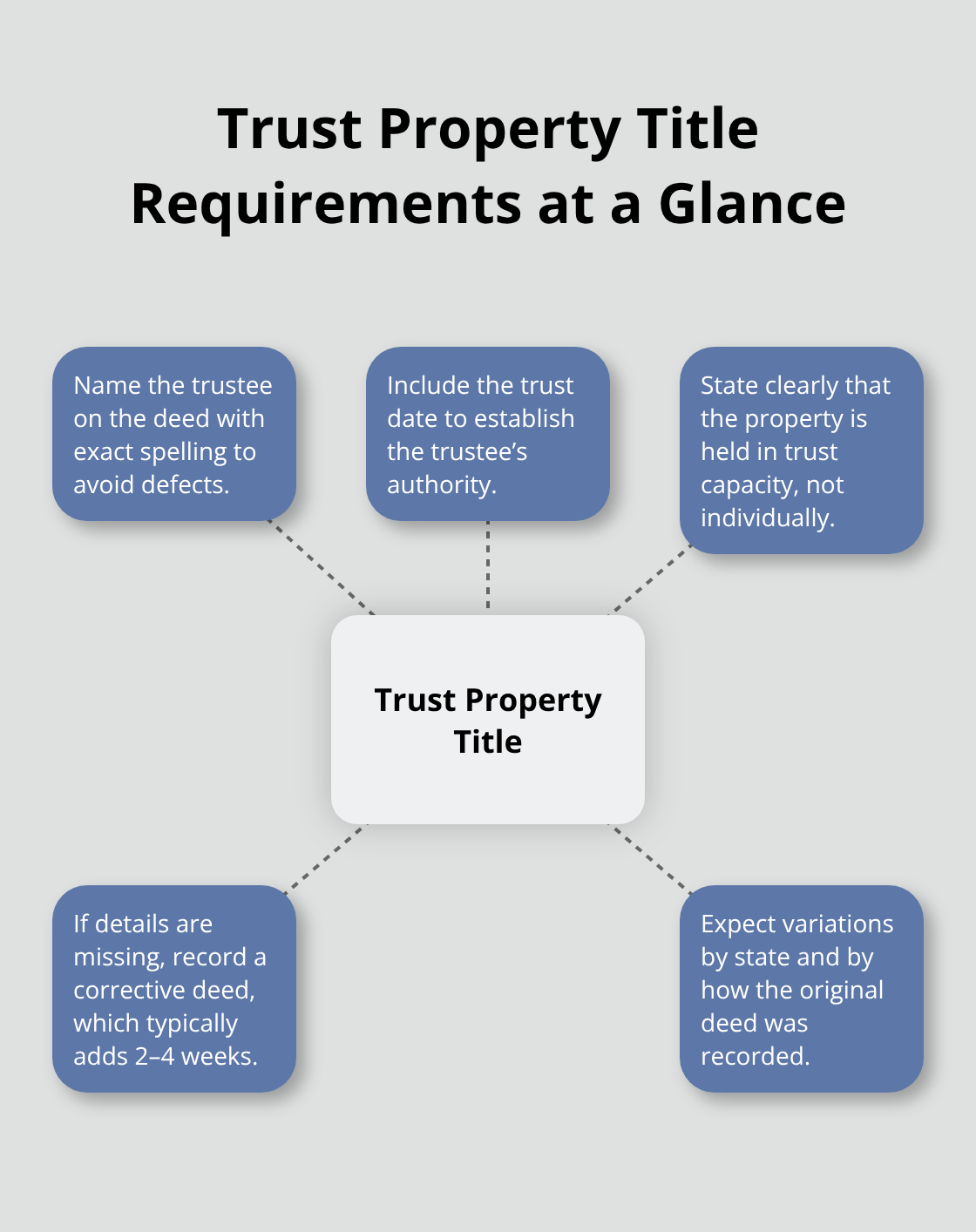
Once a trust enters administration, title companies demand specific documentation before they issue property transfer insurance. Title requirements for trust properties vary significantly based on how the deed was originally recorded and which state holds jurisdiction. California requires that trust-owned property deeds include the trustee’s name, the trust date, and clear language showing the property is held in trust capacity rather than individually.
If the original deed omitted these details, the title company will demand a new deed recorded during administration before they issue an insurance policy. This correction process typically adds two to four weeks to any sale timeline. The American Land Title Association found that approximately 35 percent of trust-owned properties contain at least one title defect that surfaces during administration, most commonly missing trustee designations or outdated legal descriptions.
Executing Property Transfers Correctly
When selling or transferring trust-held assets, you cannot simply use the beneficiary’s name on the new deed. The trustee must execute the transfer in their fiduciary capacity, which means the deed language must clearly state the transfer happens pursuant to the trust authority. Title companies absolutely will reject deeds that fail to include this language, and attempting to record them wastes time and creates additional complications.
Financial institutions and title companies operate on rigid verification protocols during trust administration. Banks won’t release funds from accounts held in the trust’s name without certified trust abstracts or full trust certifications proving the trustee’s authority. Title companies won’t issue policies without complete chain-of-title documentation showing every transfer into and out of the trust.
Coordinating with Financial Institutions and Title Companies
Beneficiaries cannot close on property sales, refinance inherited real estate, or access trust accounts without these specific documents prepared correctly. The process takes longer than most families anticipate because each institution maintains separate verification requirements. A title company might demand one set of documents while a bank requires something entirely different, forcing families to navigate conflicting demands from multiple organizations.
Ms. Desai’s dual licensure as both an attorney and real estate professional streamlines these coordination challenges. This combination of expertise means your trustee has one professional who understands both the legal requirements title companies demand and the real estate protocols financial institutions follow. The result is faster closings, fewer rejections, and less frustration for beneficiaries managing inherited properties during an already difficult time.
Final Thoughts
Synchronizing your wills, trusts, and property titles prevents the 18-month probate nightmare that plagues misaligned estates. When these documents align from the start, you eliminate costly delays, title disputes, and family conflicts that consume thousands in unnecessary legal fees. A single retitling error or documentation gap can cost your beneficiaries $2,000 to $5,000 in additional expenses, making coordination during the planning phase essential rather than optional.
Most property owners never connect their estate plan with their actual property titles until it’s too late. What changes everything is working with professionals who understand both trust administration and real estate law simultaneously (this dual expertise catches misalignment problems before they happen). Start organizing your documentation immediately by listing every property you own, verifying the current deed for each one, and checking whether the titles match your trust documents exactly. Then coordinate any necessary deed transfers with your trust amendments at the same time-never separately.
We at Law Offices of Roshni T. Desai help Southern California families align their estate plans with their actual property ownership. Ms. Desai’s dual licensure as both an attorney and real estate professional streamlines these coordination challenges, reducing costs and delays that typically plague trust administration and real estate transactions. Contact us for a free consultation to review your current documentation and identify any misalignment before it becomes a problem for your family.