




Southern California trust counsel: How a Local Expert Supports Your Estate
Your estate plan shapes what happens to your assets and family when you’re gone. Many Southern California residents put off this decision or make costly mistakes that create problems later.
At Law Offices of Roshni T. Desai, we help you build a solid plan that reflects your wishes and protects what matters most. This guide shows you how a Southern California trust counsel makes that happen.
What Southern California Residents Get Wrong About Estate Planning
The True Cost of Skipping Estate Planning
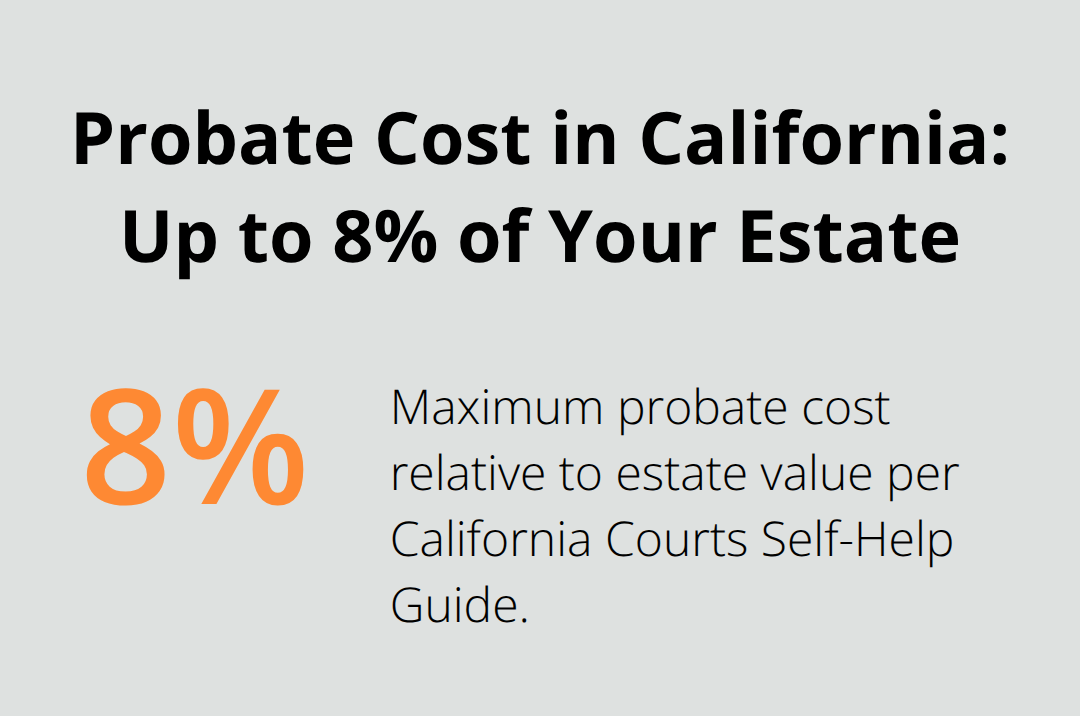
California probate takes eight months to over two years and costs up to 8% of your estate value, according to California Courts Self-Help Guide data. Most Southern California residents don’t realize this until it’s too late. The mistake starts early: people assume that having a will is enough, or they skip estate planning altogether because they think their assets are too small to matter. If you die without a will or trust in California, the state’s intestate succession laws determine who gets your assets based on a rigid formula that likely won’t match your actual wishes. Your family then faces months of court involvement, public proceedings, and legal fees that drain the very resources you wanted to protect.
Misunderstanding Which Assets Pass Through Probate
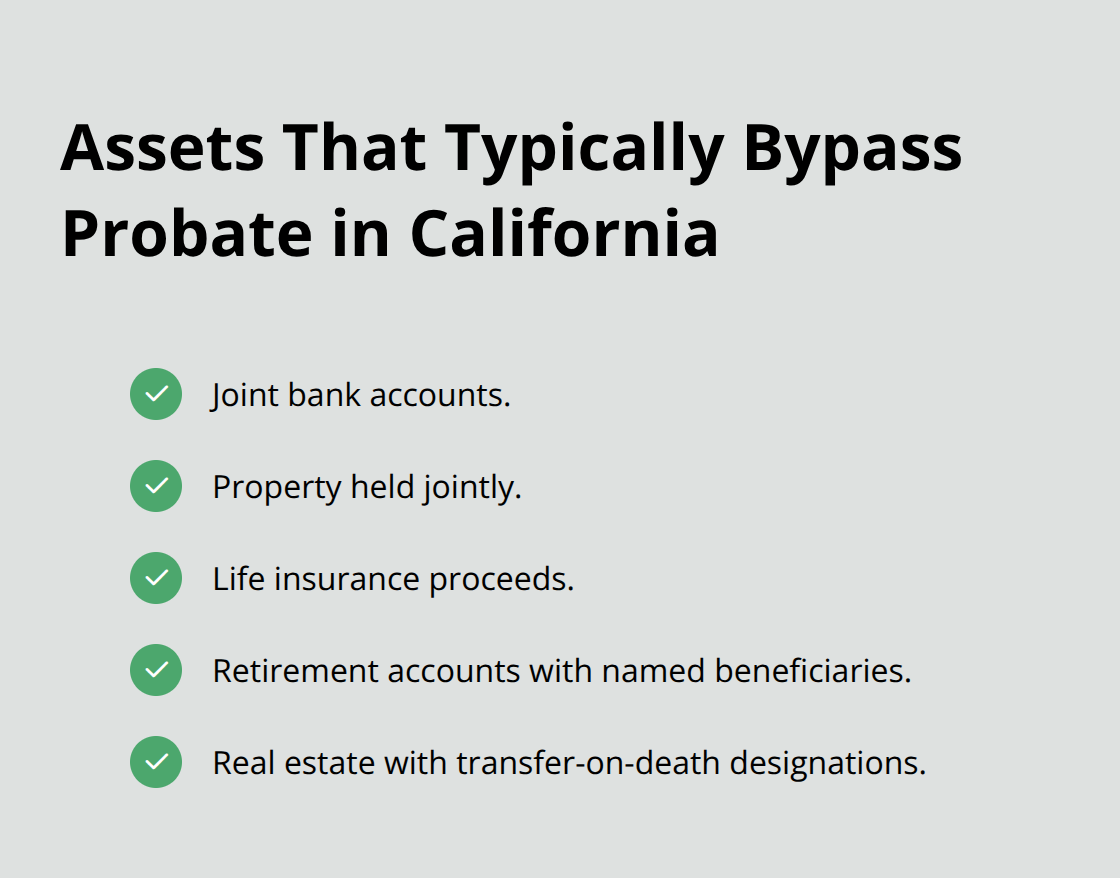
The second major mistake is failing to understand which assets actually pass through probate and which ones don’t. Joint bank accounts, property held jointly, life insurance proceeds, retirement accounts with named beneficiaries, and real estate with transfer-on-death designations all bypass probate automatically according to the California Attorney General’s Estate Planning guide. Many people don’t update beneficiary designations when life changes-marriage, divorce, children, grandchildren-leaving outdated instructions that contradict their current intentions. Community property rules in California add another layer of complexity that trips up residents who don’t know how assets acquired during marriage transfer to surviving spouses differently than separate property.
Why a Living Trust Works for Southern California Homeowners
Local knowledge matters because Ventura and Los Angeles Counties have different court timelines and procedural requirements that affect your strategy. A revocable living trust is the most practical tool for Southern California homeowners specifically because it lets you stay in control during your lifetime while allowing assets to pass directly to beneficiaries after death, completely bypassing probate and keeping your affairs private. The cost to set up a living trust typically ranges from $1,000 to $5,000 in California, a fraction of what probate will cost your family. Yet many people delay this decision, thinking they have time, only to face a health crisis or accident that makes planning urgent or impossible.
The Critical Step Most People Miss
The strongest protection combines a living trust with proper asset titling-you must actually transfer your home deed, bank accounts, and investment accounts into the trust’s name for it to work. Skipping this funding step is remarkably common and renders the entire trust useless. Beyond avoiding probate, a solid plan addresses tax efficiency for higher-value estates, asset protection from creditors, provisions for minor children’s care, and long-term planning for potential incapacity through powers of attorney and healthcare directives. These moving parts work together, and each one requires attention to protect your family effectively.
Understanding these mistakes positions you to make better decisions about your own estate. The next section walks through how trust counsel guides you through the setup process and helps you avoid these pitfalls from the start.
How Trust Counsel Guides Your Estate Setup and Asset Transfer
Mapping Your Complete Financial Picture
Setting up a trust correctly requires more than downloading a template online-it demands coordinated action across multiple fronts that most people underestimate. The first step is always asset discovery, which means identifying every account, property deed, vehicle, investment, and financial asset you own. This matters because a trust only protects and transfers assets that are actually titled in its name. Many people create a trust but never fund it, leaving their largest assets-typically their home-still in their individual name and vulnerable to probate. A complete financial map upfront prevents this costly mistake from happening to you.
Drafting Documents and Coordinating with Your Team
Once you identify all assets, the next phase involves drafting trust documents with precise language that reflects your specific wishes for distributions, successor trustees, and contingencies. The documentation phase typically takes two to four weeks depending on estate complexity. You should coordinate with your accountant or financial advisor during this time to address tax implications before documents are finalized and signed. Clear, detailed language in your trust documents prevents misinterpretation and reduces the likelihood of disputes among family members later.
Retitling Assets Into the Trust
The real work begins after you sign documents: retitling assets. Your home deed must transfer into the trust’s name through a quitclaim or grant deed recorded in your county. Bank accounts and investment accounts require new account applications listing the trust as owner. Retirement accounts and life insurance policies usually keep their named beneficiaries unchanged rather than transferring to the trust, since federal law controls how these pass to heirs. This distinction prevents costly mistakes where beneficiary designations accidentally contradict your trust instructions.
Navigating Property Transfer and Tax Planning
Property transfer and tax planning work together in Southern California because real estate values are high and county rules vary between Ventura and Los Angeles Counties. Transferring your primary residence into a revocable living trust typically preserves your Proposition 13 property tax protection under California law, meaning your assessed value doesn’t reset to market value when the trust takes effect. However, transferring investment property or vacation homes may trigger reassessment depending on the property type and your ownership structure. For higher-value estates, irrevocable trusts may reduce taxes or charitable giving trusts may align with your philanthropic goals. Community property considerations matter too-if you’re married, assets acquired during marriage may qualify for a stepped-up basis at death, which reduces capital gains taxes for your heirs when they eventually sell inherited property. Coordinate these decisions with your CPA or financial advisor to ensure your trust strategy and tax filing strategy work in harmony.
Activating Probate Avoidance and Private Distribution
The probate avoidance benefit comes automatically once assets are properly titled in the trust name, since probate only applies to assets held individually at death. Your successor trustee can then distribute property directly to beneficiaries after you pass, typically within weeks rather than months, and the entire process stays private-no court filings, no public record of your assets or family disputes. This privacy and speed distinguish a funded trust from other planning methods. With your trust structure in place and assets properly titled, the next critical step involves understanding what happens when you face incapacity or need to plan for long-term care-situations where additional documents like powers of attorney and healthcare directives become essential protections.
Working with Southern California Trust Counsel
What to Expect in Your Initial Consultation
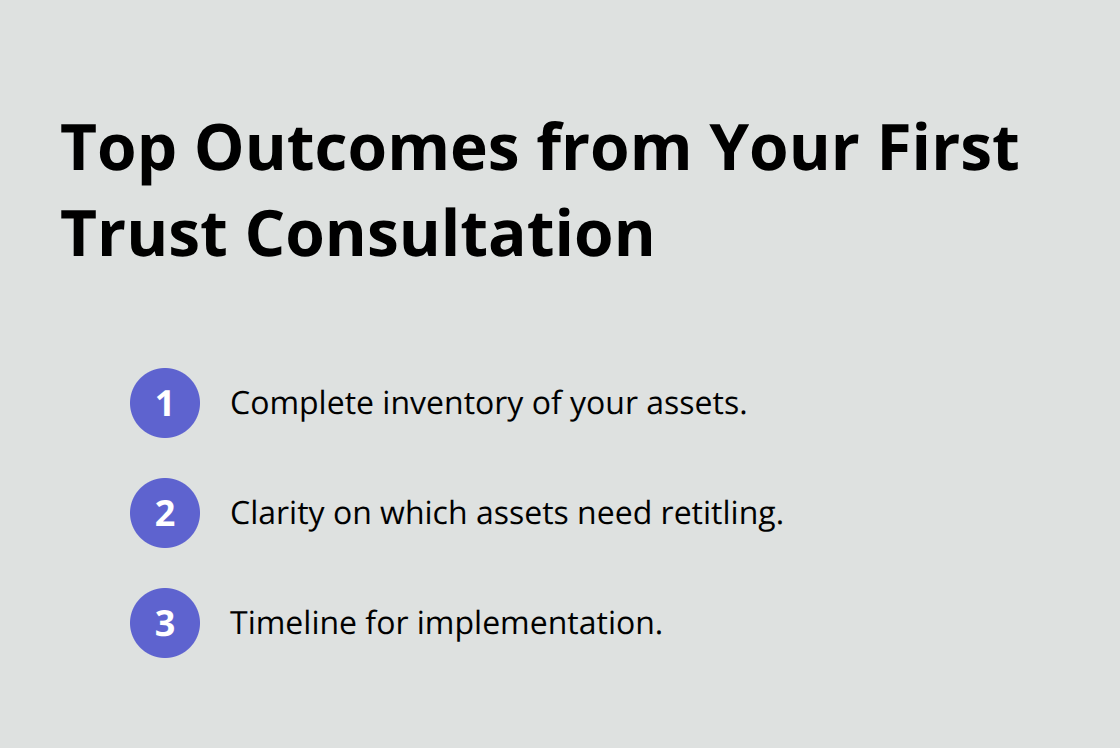
Your first consultation with a trust attorney should focus on three concrete outcomes: a complete inventory of your assets, clarity on which assets need retitling, and a timeline for implementation. Bring bank statements, property deeds, investment account statements, and life insurance policies to this meeting. A thorough attorney will ask specific questions about your assets, family structure, and long-term goals rather than offering a generic template solution.
The consultation should reveal gaps in your current plan-outdated beneficiary designations, assets titled incorrectly, or missing documents like healthcare directives. We at Law Offices of Roshni T. Desai offer free confidential consultations with flexible meeting options including virtual sessions, so geography within Southern California never becomes a barrier.
Understanding Costs and Fee Structures
During your initial meeting, you should understand the exact cost structure upfront. Many trust administration attorneys in Southern California charge flat fees for trust creation ranging from $1,000 to $5,000 in California, while others bill hourly at $300 to $600 per hour. Ask whether the quoted price includes asset discovery, document drafting, and the critical funding phase where assets transfer into the trust’s name. Hidden costs often emerge later when clients discover that retitling property or coordinating with financial institutions requires additional work not initially quoted.
Navigating Regional Court Procedures and California Law
Southern California trust counsel must navigate distinct procedural differences between Ventura and Los Angeles Counties. Los Angeles County probate courts operate on different timelines than Ventura County courts, and local rules about property recording affect how quickly deeds transfer into trust names. Your attorney should know these regional variations without needing to research them for your specific situation. California-specific law creates additional complexity that generic online templates cannot address. Proposition 13 property tax rules, community property treatment, stepped-up basis calculations, and state-level trust administration requirements all demand local knowledge. An attorney licensed in California understands how trust distributions interact with Medi-Cal eligibility planning if long-term care becomes necessary-a critical concern for many Southern California families. This coordination prevents the common mistake of creating a trust that inadvertently disqualifies a family member from government benefits.
Building a Long-Term Relationship with Your Attorney
Your trust is a living document that requires updates when you marry, divorce, have children, acquire significant assets, or when tax laws change. Rather than shopping for a new attorney each time you need changes, establishing a long-term relationship with someone who knows your complete financial picture and family dynamics prevents costly mistakes. We at Law Offices of Roshni T. Desai offer dual licensure as both attorney and real estate professional, which streamlines estate-related property transactions and reduces delays and communication problems that typically arise when your trust attorney and a separate real estate agent must coordinate.
Maintaining Your Plan Through Life Changes
Schedule annual or biennial check-ins to review whether your plan still matches your current circumstances. Life changes trigger the need for updates far more often than most people expect. A second marriage, a major inheritance, business succession, or significant real estate appreciation in Southern California’s market all demand trust modifications. Your attorney should proactively flag situations where updates become necessary rather than waiting for you to request them. The relationship also provides clarity during incapacity or after death, when your successor trustee or family members need guidance on administration, distribution timelines, and ongoing fiduciary duties. An attorney who understands your original intentions and documented reasoning behind specific provisions prevents disputes among beneficiaries and honors your wishes accurately.
Final Thoughts
A solid estate plan protects your family from months of probate delays, reduces taxes on your estate, and ensures your assets transfer exactly as you intend. The mistakes outlined earlier-skipping planning altogether, failing to update beneficiary designations, or creating a trust without funding it-are entirely preventable with the right guidance upfront. Southern California trust counsel brings local knowledge of Ventura and Los Angeles County procedures, understanding of community property rules, and awareness of how your plan interacts with Medi-Cal eligibility or property tax protections that generic online templates simply cannot address.
Your next step is straightforward: schedule a consultation to map your complete financial picture and identify which assets need protection. Bring your property deeds, bank statements, and investment account information so your attorney can spot gaps immediately. The cost of planning now-typically $1,000 to $5,000 for a complete living trust-is a fraction of what probate will cost your family later.
We at Law Offices of Roshni T. Desai offer free confidential consultations with flexible meeting options across Southern California, including virtual sessions that work around your schedule. Our team helps families create wills, living trusts, irrevocable trusts, powers of attorney, and complete succession plans tailored to your specific situation. Your estate deserves attention from someone who understands Southern California’s unique legal landscape and your family’s actual needs.