



Southern California Trustee Attorney: Guiding Trustees Through Complex Transitions
Serving as a trustee comes with real responsibilities that many people underestimate. From managing assets to distributing funds to beneficiaries, the role demands careful attention to legal obligations and beneficiary relationships.
At Law Offices of Roshni T. Desai, we work with trustees throughout Southern California who face confusion about their duties or encounter conflicts they didn’t anticipate. This guide walks you through what trustees actually do, common pitfalls to avoid, and how professional guidance makes transitions smoother.
What Trustees Actually Do Every Day
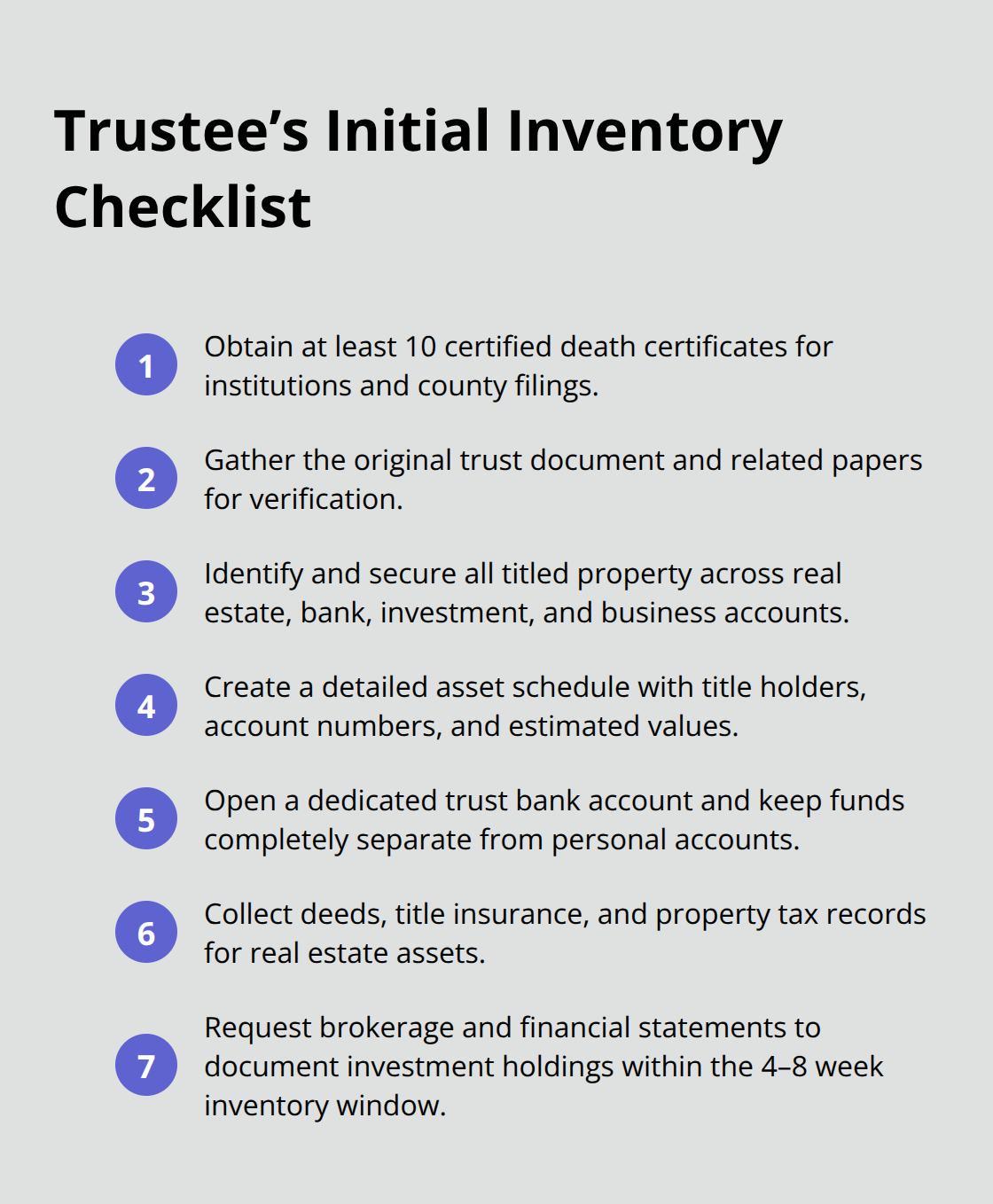
A trustee’s job is far more operational than many realize. After the trust creator dies or becomes incapacitated, the trustee steps into active management of real assets-bank accounts, real estate, investment portfolios, and business interests. This isn’t a passive role. The trustee must locate every asset the trust owns, confirm its current value, and organize documentation. For real estate, that means obtaining deeds, title insurance documents, and property tax records. For investments, it means gathering statements from brokerage firms and financial institutions. Most trustees underestimate this initial inventory phase; it typically takes 4 to 8 weeks to compile a complete picture of what the trust holds. California law requires trustees to provide beneficiaries with an accounting within one year of taking office, per California Probate Code Section 16062, which means disorganized record-keeping creates serious liability exposure. The trustee is personally responsible if assets are lost, mismanaged, or improperly titled during this phase. Setting up a dedicated trust bank account immediately-separate from personal funds-is non-negotiable. Mixing trust money with personal accounts is one of the fastest ways to trigger beneficiary disputes and court challenges.
Securing and Inventorying Assets
The trustee’s first task is to locate and secure every asset. This includes obtaining certified death certificates (plan for at least 10 copies), gathering the original trust document and related papers, and identifying all titled property. A Certification of Trust streamlines banking transfers by confirming the trust’s existence and the trustee’s authority without disclosing beneficiaries or distribution plans, preserving privacy. The trustee then creates a comprehensive asset schedule that lists real estate, bank accounts, investment accounts, business interests, and personal property. Each entry should include the current title holder, account numbers, and estimated values. This inventory becomes the foundation for all subsequent decisions about distributions, tax filings, and asset transfers.
Managing Income and Making Distributions
Once assets are secured, the trustee collects income from the trust and makes distributions to beneficiaries according to the trust document’s instructions. Some trusts require immediate distribution of the entire estate; others stage distributions over time or tie them to conditions like reaching a certain age. The trustee decides what constitutes income versus principal, manages cash flow to cover ongoing expenses, and documents every payment. Ongoing trust finances require setting up new bank accounts in the trust’s name, paying ongoing bills, and keeping assets separate from personal funds with meticulous record-keeping for final accounting.
Handling Tax Obligations and Filings
Tax obligations start immediately. Within 60 days of the trust creator’s death, the trustee must file an Affidavit of Death with the county assessor to update property tax records-missing this deadline can result in reassessment penalties. The trustee also needs an Employer Identification Number from the IRS to open trust bank accounts and file Form 1041, the Fiduciary Income Tax Return, along with California Form 541. Many trustees work with accountants to handle these filings, but the trustee remains legally accountable for accuracy and timeliness. Final personal income tax returns for the deceased, property tax adjustments, and potential estate tax filings for larger estates add complexity. A trustee who delays or neglects these obligations faces personal surcharge liability-meaning beneficiaries can sue to recover losses caused by the trustee’s failure to act. The California Probate Code imposes a fiduciary duty of loyalty and impartiality, and trustees must document decisions carefully to defend against later challenges.
These operational demands-asset inventory, income management, tax compliance, and beneficiary accounting-form the backbone of trust administration. The next section examines where trustees commonly stumble and how these mistakes create legal and financial exposure.
Where Trustees Go Wrong
Trustees make costly mistakes when they operate in isolation or assume that good intentions substitute for legal compliance. The most damaging errors fall into three categories: silence with beneficiaries, sloppy financial management, and neglect of fiduciary duties.
Failing to Notify Beneficiaries
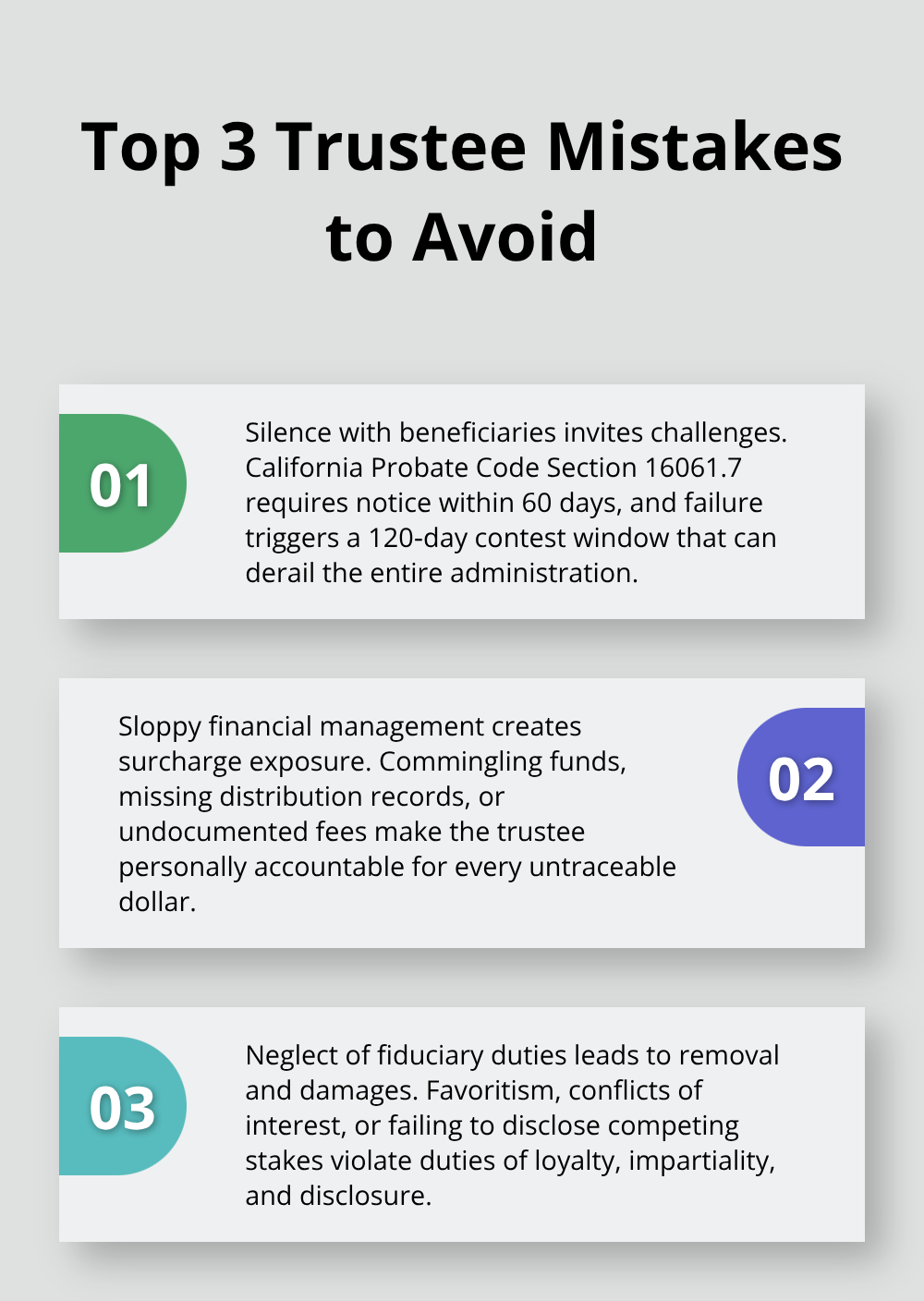
Silence kills trust relationships fast. California Probate Code Section 16061.7 requires trustees to notify beneficiaries within 60 days of taking office, and failure to do so triggers a 120-day window for beneficiaries to contest the trust entirely. Many trustees delay this notification thinking they need to have all answers first. That’s backwards. Beneficiaries have a right to know the trust exists, who is administering it, and what their potential interests are. Courts view delayed notice as a red flag for misconduct.
Commingling Funds and Poor Record-Keeping
Sloppy financial management creates personal liability that no trustee anticipates. Mixing trust funds with personal bank accounts, failing to track distributions, or paying trustee fees without documenting the decision invites surcharge liability. California courts hold the trustee personally accountable for every dollar that cannot be traced or justified. One trustee commingled trust assets with personal savings for six months; beneficiaries later discovered the arrangement and sued. The trustee faced personal surcharge liability even though no money was actually stolen. This outcome illustrates why trust bank accounts must remain completely separate from personal funds, and every transaction must be recorded and reconciled monthly.
Violating Fiduciary Duties
Fiduciary duty neglect is the third trap. Trustees must act with loyalty, avoid conflicts of interest, treat all beneficiaries impartially, and document decisions thoroughly. A trustee who favors one beneficiary over another violates the duty of impartiality. A trustee who pays themselves excessive compensation without trust authorization violates the duty of loyalty. A trustee who fails to disclose a business interest or competing financial stake violates the duty to disclose. California courts take these violations seriously and remove trustees, impose surcharges, and award damages to injured beneficiaries.
Moving Forward with Discipline
Proactive communication, strict financial discipline, and meticulous documentation prevent these pitfalls. Trustees should send beneficiaries written updates every three to four months, not just at the end of administration. Distributions, fees, and significant decisions require written documentation with clear rationale. When conflicts arise between beneficiaries or when the trust language is ambiguous, trustees should seek legal guidance immediately rather than making unilateral decisions. Waiting until a dispute erupts costs far more than getting professional input upfront.
These preventable mistakes often stem from trustees attempting to navigate administration alone. Understanding where things go wrong is the first step-but knowing how to correct course requires guidance tailored to Southern California’s specific legal landscape and the unique complexities that arise during trust transitions.
How a Trustee Attorney Clarifies Your Path Forward
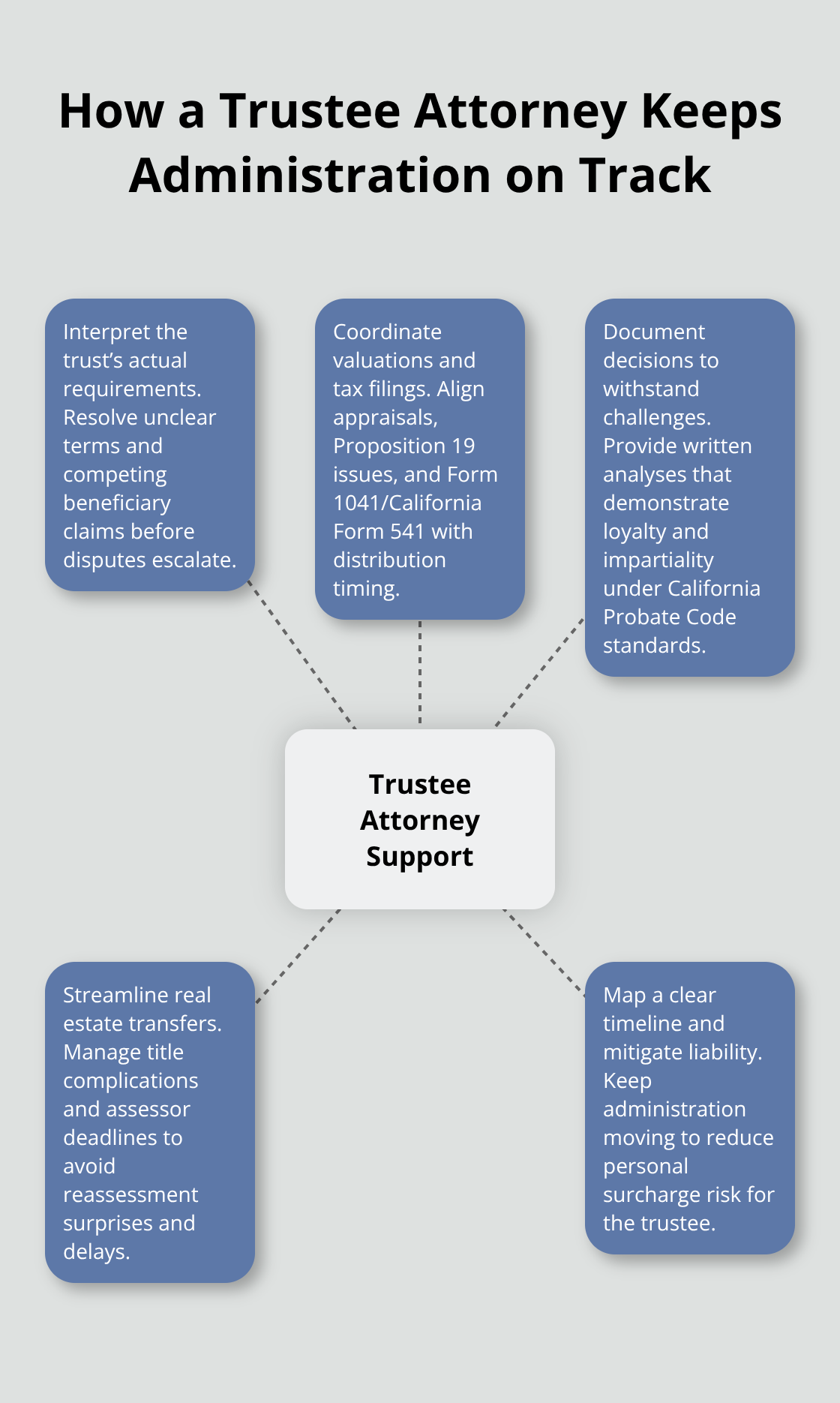
Many trustees discover too late that they need legal guidance when disputes erupt or assets sit tied up in red tape. The reality is that getting ahead of problems saves months and prevents personal liability that trustees don’t anticipate until beneficiaries file suit. A trustee attorney in Southern California handles the specific obstacles that derail administrations: unclear trust language, competing beneficiary claims, real estate transfers with title complications, and tax filings that don’t align with distribution decisions. When a trustee contacts us at Law Offices of Roshni T. Desai early, we clarify what the trust actually requires, identify hidden liabilities, and map out a timeline that keeps the administration moving.
Navigating Complex Asset Valuations and Tax Coordination
A trustee managing a $2 million estate with commercial real estate and a business interest cannot navigate property valuations, Proposition 19 reassessment exclusions, and business succession questions alone. A trustee attorney walks through each asset class, explains what appraisals are necessary, confirms whether the business should be sold or transferred intact, and coordinates with CPAs to verify that tax filings don’t conflict with distribution plans. This coordination prevents the common scenario where a trustee distributes assets prematurely, only to discover that capital gains taxes or trust income allocations create unexpected liability for the beneficiaries who received the distributions.
Documenting Decisions to Defend Against Beneficiary Challenges
Disputes between trustees and beneficiaries often stem from poor communication or ambiguous trust language rather than actual misconduct. When a beneficiary questions why the trustee hasn’t distributed funds or claims the trustee is self-dealing, a trustee attorney provides neutral documentation and written explanations that demonstrate the trustee acted within the trust’s terms and fiduciary obligations. If a trust requires the trustee to balance income and principal distributions and one beneficiary receives income while another receives principal, the trustee must document the impartiality analysis in writing. Without that documentation, the beneficiary who received less will claim breach of fiduciary duty. A trustee attorney drafts these explanations and verifies that the trustee’s decisions are defensible under California Probate Code Section 16000 and beyond.
Streamlining Real Estate Transfers and Property Sales
Real estate sales add another layer of complexity because property transfers often trigger reassessment under Proposition 19, and trustees must file a Change in Ownership Statement with the county assessor within specific deadlines. Ms. Desai holds dual licensure as both an attorney and real estate professional, which means we at Law Offices of Roshni T. Desai streamline these transactions, reducing delays and communication gaps between title companies, assessor offices, and beneficiaries. A trustee managing a $1.5 million home sale who coordinates with both an attorney and a separate real estate agent faces duplicated effort and conflicting timelines; working with a single professional who holds both credentials compresses the timeline and keeps the process transparent.
Final Thoughts
Trust administration in Southern California demands more than good intentions. Trustees face real deadlines, complex tax obligations, and beneficiary expectations that shift throughout the administration process. The stakes are personal and financial: a trustee who acts alone risks surcharge liability, family conflict, and months of unnecessary delays.
A Southern California trustee attorney provides clarity when trust language is ambiguous, coordinates with accountants and title companies to prevent tax conflicts, and documents decisions so beneficiaries understand the reasoning behind distributions and asset transfers. When a trustee manages real estate with Proposition 19 reassessment questions, a business interest requiring valuation, and beneficiaries in different financial circumstances, the coordination between legal strategy and tax planning determines whether the administration closes in six months or stretches into years of dispute.
We at Law Offices of Roshni T. Desai bring over 25 years of experience in trust and probate administration across Southern California. Ms. Desai’s dual licensure as both an attorney and real estate professional means we streamline property sales and transactions that typically require separate professionals, reducing delays and communication gaps. If you are administering a trust and feel uncertain about your obligations, have questions about distributions or tax filings, or want to verify that your decisions are defensible under California law, contact Law Offices of Roshni T. Desai for a free consultation.