




Probate Asset Management: Safeguarding Assets Through Probate
Probate asset management requires careful attention to detail and strategic planning. Without proper oversight, estates face significant risks including fraud, unnecessary delays, and inflated costs.
At Law Offices of Roshni T. Desai, we’ve seen firsthand how disorganized asset handling complicates the probate process for families. This guide walks you through proven strategies to protect assets and streamline estate administration.
Common Probate Asset Management Challenges
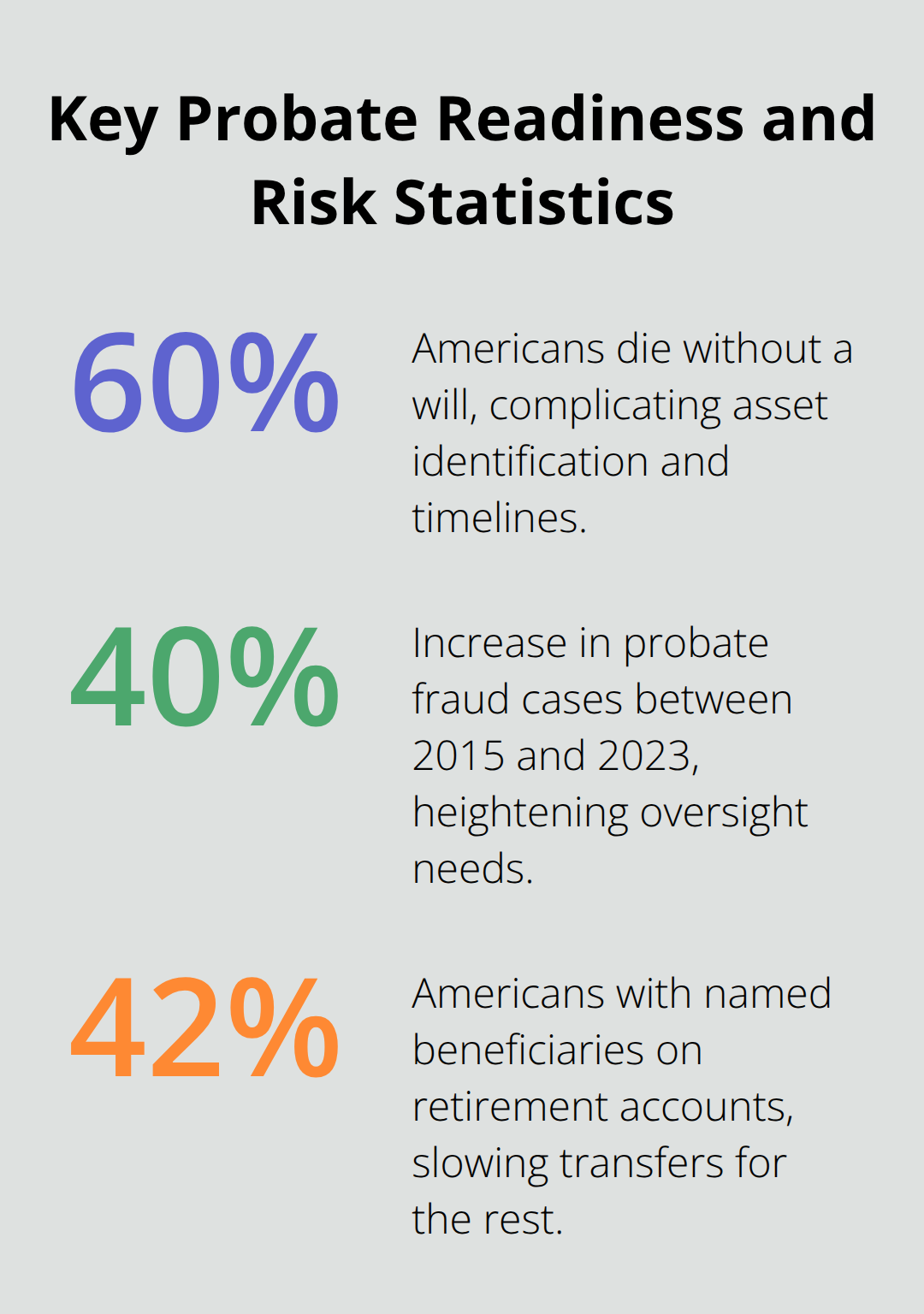
Probate asset management fails most often because estates lack accurate documentation from day one. Many families inherit property, bank accounts, investments, and personal items without knowing exactly what exists or what those assets are worth. The American College of Financial Services reports that 60% of Americans die without a will, and even with one, families struggle to locate and value all assets within the required timeframe.
Courts typically demand a complete inventory within months, yet executors frequently scramble to find forgotten bank accounts, old stock certificates, or property deeds stored in safety deposit boxes. This scramble creates delays that can stretch probate from months into years, and every month of delay costs money in administrative fees, professional services, and court filings.
Valuation Demands Immediate Action
Determining fair market value for each asset requires professional appraisals in most cases. Real estate needs a certified appraisal, collectibles require specialists, and business interests demand business valuations that can cost thousands of dollars. The IRS requires these valuations for tax purposes, and incorrect valuations trigger audits that compound delays and costs. Managing multiple asset types simultaneously means coordinating with different professionals-appraisers, accountants, brokers, and custodians-each operating on their own timeline. One delayed appraisal stalls the entire process.
Fraud and Unauthorized Access Threaten Assets
Fraud and unauthorized access represent real threats during this vulnerable period. Court records show probate fraud cases increased 40% between 2015 and 2023, with executors, family members, and even third parties exploiting gaps in asset oversight. Someone with access to financial accounts can transfer funds, forge documents, or liquidate investments before the court confirms their authority. Digital assets compound this risk-email accounts, cryptocurrency wallets, and online banking access require passwords that heirs often don’t possess, and unauthorized transactions may occur before access is granted. Protecting assets begins long before probate starts, through organized record-keeping and clear communication with designated fiduciaries about where everything is located and how to access it.
How to Lock Down Assets Before Probate Starts
Create a Comprehensive Asset Inventory Now
Documentation creates the foundation that prevents fraud, delays, and unnecessary costs. You should create a comprehensive asset inventory while you’re still living, not waiting until probate starts. This inventory lists every financial account, property deed, investment, digital asset, and personal item of value, along with account numbers, custodian contact information, and access credentials stored securely. The National Institute of Justice found that estates with documented asset locations complete probate 30% faster than those without records. Start by gathering statements from all bank accounts, brokerage firms, and retirement accounts. Include real estate property deeds and titles. List insurance policies, cryptocurrency wallets, and domain names.

For digital assets, create a master list of passwords stored in a password manager that your executor can access after your death. Many families discover hidden accounts or forgotten investments years into probate because no one knew they existed.
Your executor faces court-imposed deadlines to inventory and value all assets, typically within three to six months. Missing this deadline triggers penalties and court intervention. Digital assets present particular challenges since many online accounts require specific authentication that dies with you. Services like Everplaid or similar digital asset management platforms let you catalog everything in one location with instructions for access.
Establish Clear Communication with Financial Institutions
Financial institutions and asset custodians control the actual transfer process, so you must establish clear communication channels with them. Contact your bank, brokerage firm, insurance company, and property title company to inform them who your executor will be and request their probate procedures in writing. Different institutions have different requirements and timelines. Some banks require certified death certificates and court orders before releasing funds, while others allow transfers to named beneficiaries without probate involvement. This distinction saves months of delay if you structure accounts correctly.
You should designate beneficiaries on retirement accounts and life insurance policies rather than leaving them to your general estate, since these transfer outside probate and reach heirs within weeks instead of months. The Employee Benefit Research Institute reports that only 42% of Americans have named beneficiaries on retirement accounts, leaving massive administrative delays for their families.
Use Trusts to Bypass Probate Entirely
Trusts bypass probate entirely for assets funded into them, meaning your executor transfers trust assets directly to beneficiaries without court involvement or public disclosure. An irrevocable trust removes assets from your taxable estate, potentially reducing estate taxes significantly for larger estates. A revocable living trust gives you control during your lifetime while avoiding probate after death (and both structures require proper funding to work effectively). These strategies prevent the one-size-fits-all approach that creates problems later.
With your assets locked down and your documentation in place, the next critical step involves reducing the actual costs and delays that plague many estates.
How Proper Asset Organization Cuts Probate Costs and Delays
Disorganized Records Drive Up Administrative Expenses
Organizing assets before death directly reduces the administrative burden that executors face, and this burden translates into thousands of dollars in unnecessary costs. When an estate lacks organized records, executors must hire accountants, appraisers, and investigators to locate assets scattered across multiple institutions. The Certified Financial Planner Board reports that disorganized estates incur 25-40% higher administrative costs than those with documented asset locations. An executor spending forty hours searching for bank accounts, investment statements, and property deeds at $150-300 per hour through professional services runs up bills quickly. More critically, delays in asset identification push probate timelines from eight months to two years or longer, extending court fees, bond premiums, and professional hourly charges indefinitely.
Strategic Asset Placement Accelerates Access to Funds
Strategic asset placement before death prevents this cost spiral. Placing liquid assets like cash and investments into a revocable living trust bypasses probate entirely for those funds, allowing immediate access to beneficiaries while the rest of the estate moves through the process. Designating beneficiaries on retirement accounts and life insurance policies removes those assets from probate administration completely, since they transfer by contract rather than through court proceedings. This structure means a $500,000 life insurance policy reaches your family within weeks instead of waiting for probate to close (which can take years). Your heirs receive critical funds when they need them most, not years later.
Tax Liability Reduction Requires Intentional Planning
Tax liability reduction requires intentional asset placement during your lifetime, not reactive decisions after death. High-net-worth estates face federal estate taxes of 40% on amounts exceeding $13.61 million as of 2024, according to the Internal Revenue Service, but strategic placement can reduce or eliminate this burden entirely. Irrevocable trusts remove assets from your taxable estate, meaning appreciation on those assets after funding the trust grows tax-free for your heirs. Qualified personal residence trusts allow you to transfer your home at a discounted value, protecting real estate appreciation from estate taxes. Charitable remainder trusts provide income to you during your lifetime while removing charitable donations from your taxable estate (combining tax savings with philanthropic impact).
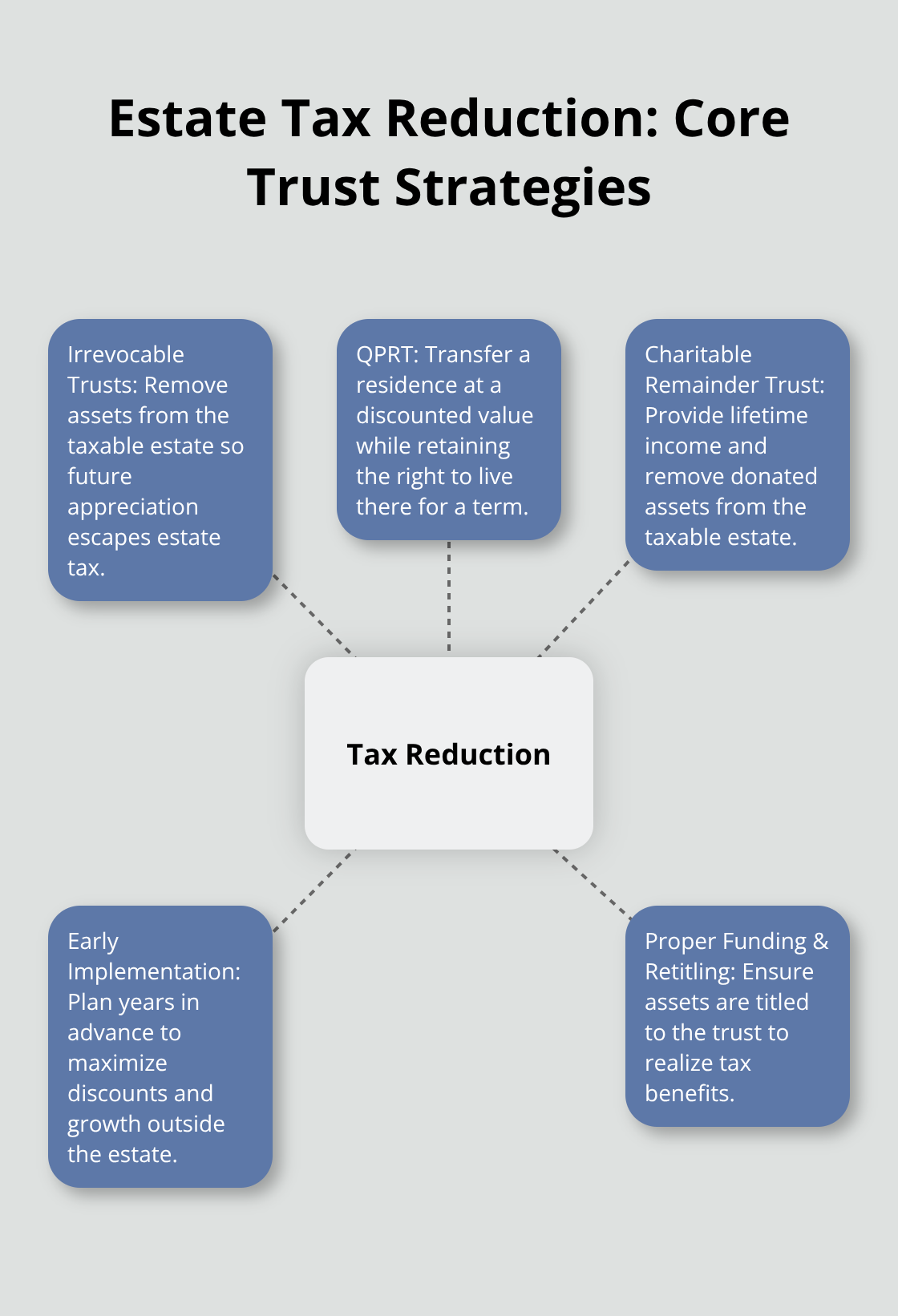
The key is implementing these strategies years before death, not months. Assets must be funded into trusts and properly retitled to achieve these benefits, and this process cannot happen during probate.
Complete Documentation Speeds Court Approval
Advance planning also accelerates probate completion through clear documentation that courts and financial institutions recognize immediately. When an executor presents a complete asset inventory with valuations, certified death certificates, and clear trust documentation, institutions process transfers within weeks rather than months. Courts approve final accounting and asset distribution faster when records are organized and complete. This acceleration matters financially because every month of probate delay costs money in professional fees, court costs, and opportunity costs as beneficiaries wait for their inheritance. Executors who inherit disorganized estates often face personal liability if assets disappear or if tax returns are filed incorrectly, creating stress and potential legal exposure that organized planning eliminates entirely.
Final Thoughts
Probate asset management succeeds when you act before probate starts, not after. The families who navigate probate smoothly share one thing in common: they organized their assets, documented everything, and communicated their wishes clearly to executors and financial institutions. This advance work eliminates the fraud risks, valuation delays, and and cost overruns that plague disorganized estates.
The real challenge isn’t understanding these principles-it’s implementing them correctly. Estate planning involves legal documents, tax considerations, property retitling, and coordination with multiple institutions. Mistakes in trust funding, beneficiary designations, or asset placement can undo years of planning and cost your family tens of thousands of dollars in unnecessary taxes and delays.
We at Law Offices of Roshni T. Desai help families across Southern California build comprehensive estate plans that protect assets and streamline probate administration. Schedule a free consultation with us today to discuss your probate asset management strategy and protect your family’s inheritance.