



Probate Attorney Client Meetings: Maximizing Clarity and Collaboration
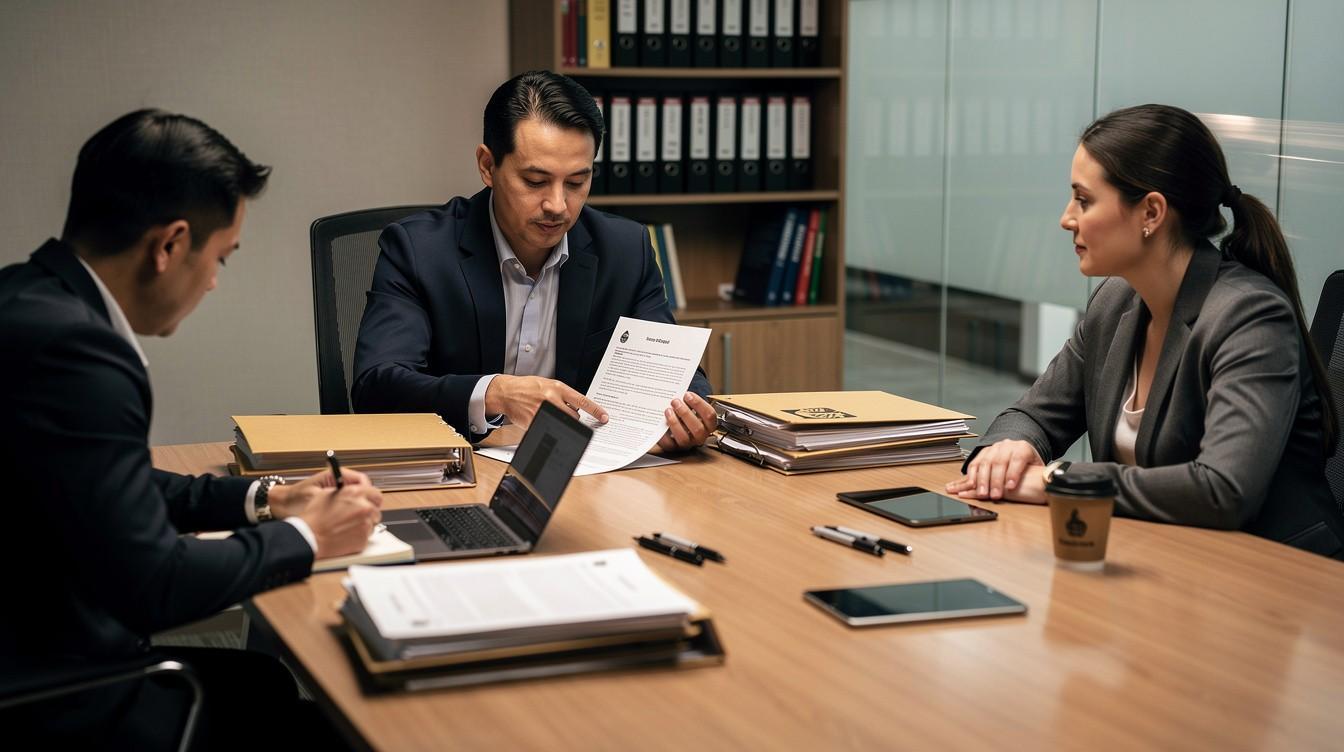
Probate attorney client meetings set the foundation for everything that follows in an estate settlement. When communication breaks down, delays multiply and family tensions escalate.
We at Law Offices of Roshni T. Desai have seen firsthand how clarity in these early conversations prevents costly disputes later. This post walks through how to structure meetings that actually work.
Why Probate Meetings Shape Your Entire Estate Settlement
The Foundation for Smooth Estate Settlement
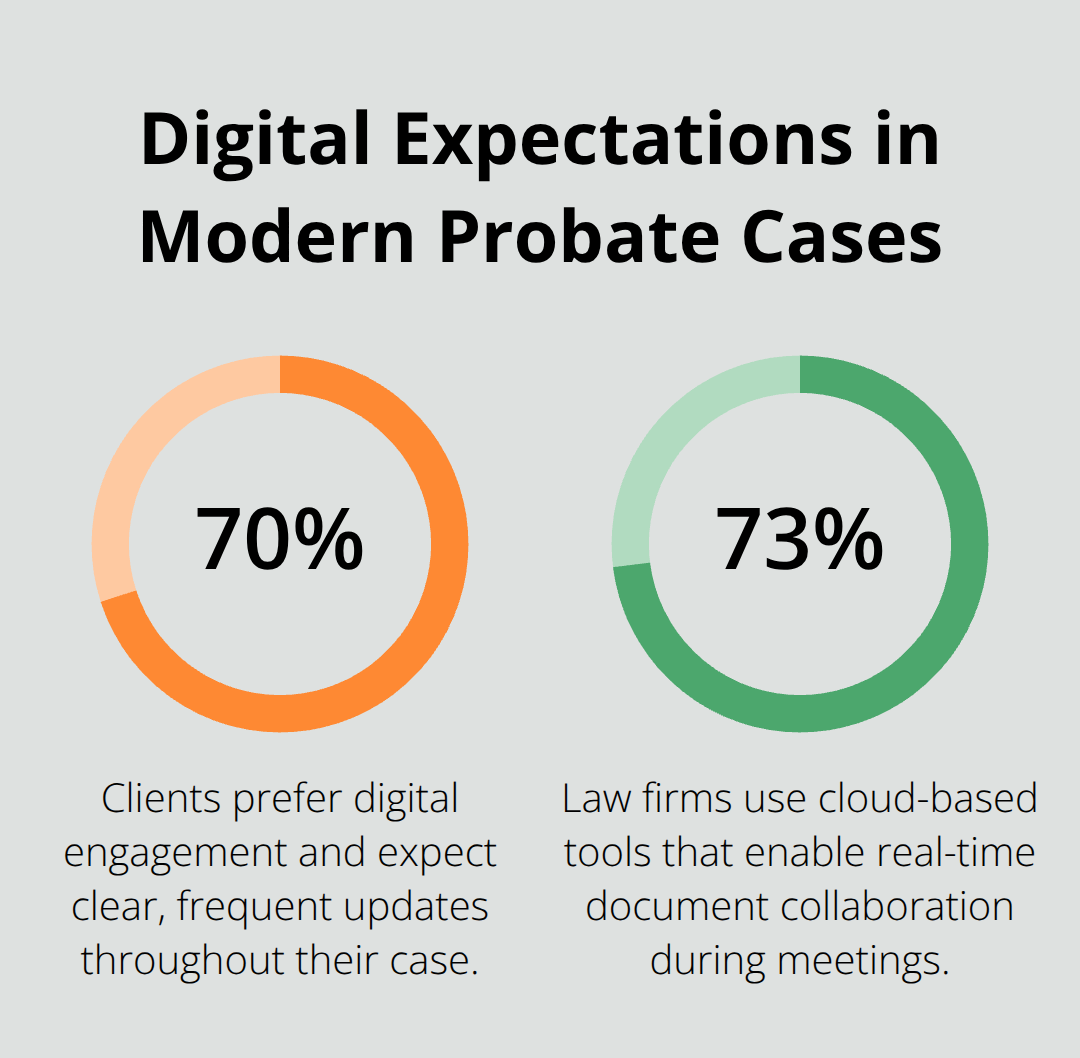
The first meeting with a probate attorney determines whether your case moves smoothly or gets bogged down in miscommunication and delays. Most families arrive without a clear picture of what probate involves, what assets exist, or how long resolution will take. Structured conversation changes that dynamic. When you sit down with an attorney who asks the right questions upfront, you surface hidden assets, identify potential beneficiary disputes, and establish realistic timelines before problems spiral. According to the American Bar Association’s 2025 Legal Technology Survey, 70% of clients now prefer digital engagement and expect clear, frequent updates throughout their case. This shift means your attorney should commit to specific communication cadences from day one, not vague promises of responsiveness.
Understanding the Emotional and Financial Weight
Families often carry emotional weight alongside financial concerns, especially during probate. The initial meeting is your chance to ask hard questions about fees, process duration, and whether your attorney will handle your case personally or delegate it to junior staff. Probate timelines vary dramatically depending on whether a valid will exists, whether the estate faces tax complications, and whether beneficiaries agree on asset distribution. An attorney who gives you a realistic three-to-twelve-month estimate based on your specific circumstances, not a generic answer, shows they’ve actually assessed your situation.
Establishing Clear Fee and Cost Expectations
Transparency about costs matters just as much as timeline clarity. Many probate attorneys charge hourly rates, flat fees, or percentage-based compensation depending on estate size. Ask directly how your attorney calculates fees and whether additional costs will emerge for court filings, creditor negotiations, or tax filings. The best probate meetings establish expectations about asset inventory from the start, since tracking and cataloging assets consumes significant time and creates error-prone bottlenecks during estate settlement.
Mapping Assets and Documentation Requirements
If your estate includes real property, business interests, or significant investments, your attorney should explain how these assets flow through probate and what documentation you’ll need to provide. Many families forget about accounts, digital assets, or property held in multiple states until months into the process, which creates delays and additional costs. Clarify in that first meeting whether you’ll meet in person or virtually, how often you’ll connect, and what documents to gather before the next session.
Planning for Tax Liability and Future Complications
The IRS expects estate tax exemptions to drop in 2026, so your attorney should mention whether your estate might face federal tax liability and how planning today could minimize that burden. Families who understand these variables from the outset rarely develop the frustration or second-guessing that leads to attorney changes mid-process. With asset inventory, fee structures, and tax implications all addressed upfront, you’re ready to move into the practical work of structuring meetings that actually produce results.
Building Meeting Structure That Produces Real Results
Create a Written Agenda That Drives Accountability
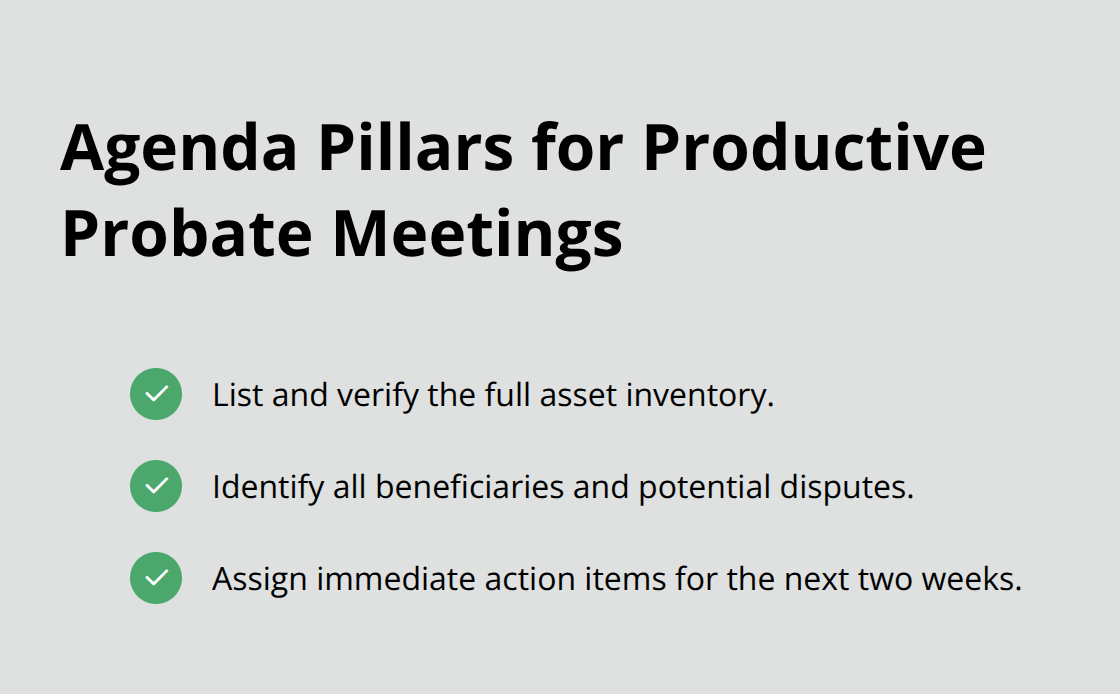
A probate meeting without a clear agenda wastes everyone’s time and creates the false impression of progress when nothing concrete has been decided. Your attorney should arrive with a written agenda covering three core areas: asset inventory, beneficiary identification, and immediate action items for the next two weeks. This structure prevents the common scenario where families leave a meeting feeling heard but unsure what happens next. According to the American Bar Association’s 2025 Legal Technology Survey, 73% of law firms now use cloud-based tools that allow real-time document collaboration, meaning your attorney should pull up asset lists, trust documents, or probate timelines during the meeting itself rather than promising to email them later. If your attorney shows up without materials or says they’ll send information after the call, that’s a red flag about their operational readiness.
Start each meeting by asking your attorney to confirm which assets have been fully documented and which remain incomplete. This forces accountability and prevents gaps that surface months later when probate is already underway. Request a written summary within 48 hours of every meeting that lists decisions made, documents you need to provide, and the specific date of your next conversation. This eliminates the back-and-forth emails where family members misremember what was discussed or disagree about next steps.
Ask Questions That Uncover Hidden Assets and Beneficiary Conflicts
The right questions during a probate meeting uncover assets and beneficiary issues that derail settlements later. Ask your attorney directly: Are there assets in other states, digital accounts you haven’t listed, or property held jointly with someone who may contest the will? Request a detailed explanation of how each asset type flows through probate-real property, retirement accounts, business interests, and bank accounts each follow different paths, and families who understand these distinctions rarely develop disputes about process later.
If beneficiaries disagree on asset distribution, ask your attorney to explain California probate law on intestacy rules or will interpretation before emotions escalate. Many families benefit from understanding that probate court records are public, which means disputes over asset distribution become visible to creditors, the public, and potentially the media if the estate is large enough. This reality often motivates beneficiaries to negotiate rather than litigate.
Establish Fee Transparency and Case Ownership From Day One
Request a realistic fee estimate tied to specific work, not a percentage of estate value-hourly rates, flat fees for routine tasks, and itemized costs for court appearances should all be spelled out before work begins. Document in writing who will handle your case: whether your attorney personally manages it or whether associates and paralegals will do the substantive work. Ask for names, years of experience, and their specific roles. This clarity prevents the frustration of building rapport with one attorney only to discover a junior associate now manages your file.
Finally, establish a communication schedule before the meeting ends-weekly email updates, bi-weekly calls, or monthly in-person meetings, depending on your estate’s complexity. Families who know exactly when to expect contact rarely feel abandoned during the probate process, and this foundation of clear expectations positions you to address the emotional and relational challenges that often emerge once the real work of estate settlement begins.
When Family Conflict Surfaces in Probate Meetings
Validating Emotions While Establishing Legal Boundaries
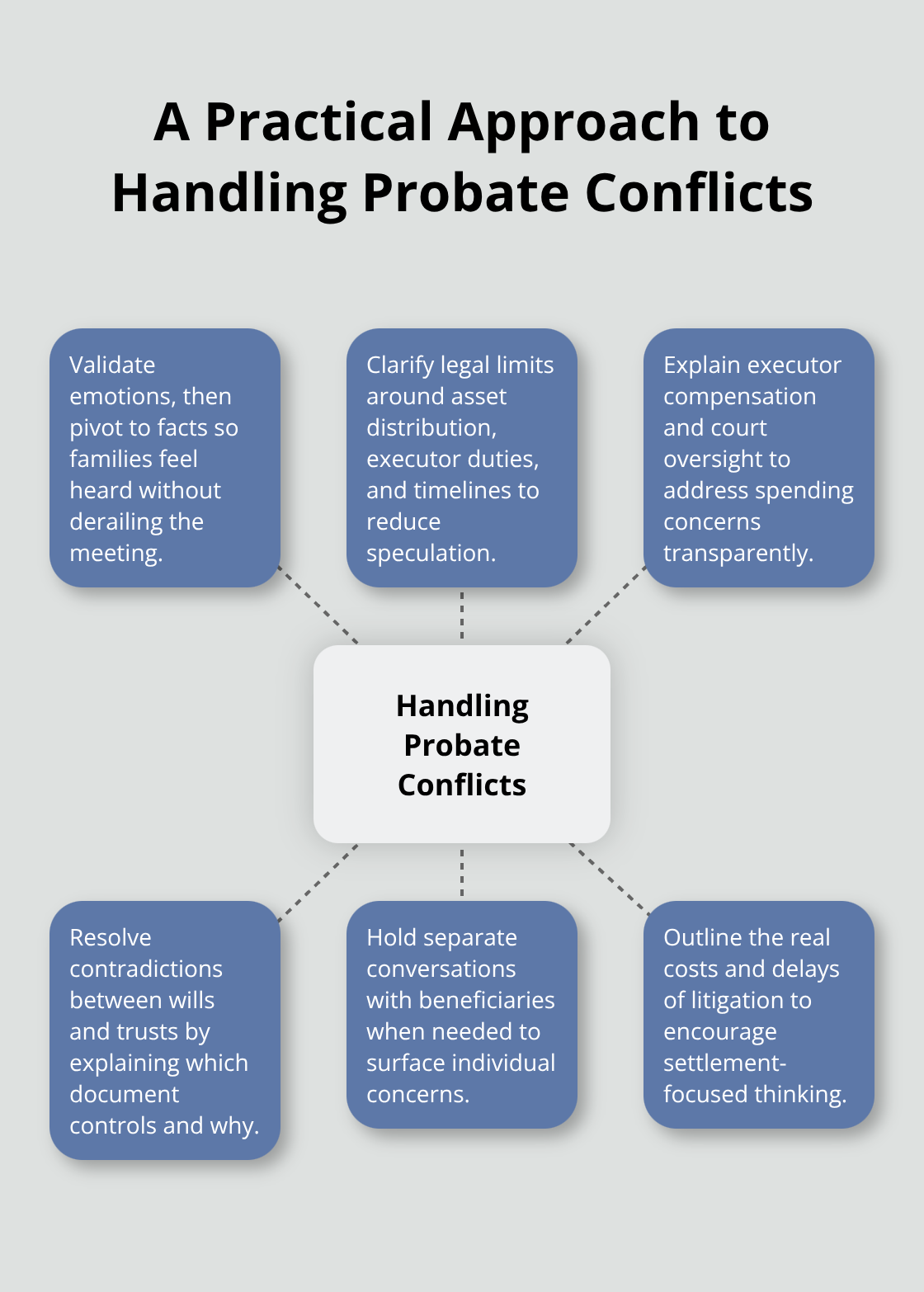
Probate meetings expose family tensions that have simmered for years. One beneficiary arrives convinced a sibling manipulated the will, another questions whether the executor can be trusted with assets, and a third demands immediate access to funds before probate even closes. Your attorney’s job is not to referee family politics but to establish clear boundaries about what probate law actually permits and what remains outside the court’s authority. The emotional weight in these meetings is real, and dismissing it as irrelevant wastes time and damages the attorney-client relationship. Instead, a probate attorney should acknowledge the emotional reality directly-yes, losing a family member is painful, yes, disagreements about money are stressful-then pivot immediately to what the law says about asset distribution, executor duties, and timeline. This two-step approach (validate, then clarify) prevents families from feeling unheard while maintaining focus on concrete legal issues.
Addressing Executor Compensation and Oversight Concerns
When a beneficiary expresses concern that the executor is spending too much money on probate fees, your attorney should explain exactly what executor compensation looks like in California, how court oversight prevents abuse, and whether the beneficiary has grounds to challenge specific expenses. Vague reassurance that everything will be fine creates more doubt. Specific information about California probate law, executor duties, and the court’s role in oversight builds confidence.
Many families also benefit from understanding that probate court records are public, which means disputes over asset distribution become visible to creditors and the media if the estate is large enough. This reality often motivates beneficiaries to negotiate rather than litigate, since public court battles damage family reputation far more than private settlement discussions.
Resolving Contradictions Between Estate Documents
Confusing estate documents and conflicting beneficiary wishes require equally direct responses. If a will contradicts a trust, your attorney should explain which document controls and why, then walk through how California probate law resolves ambiguities. If beneficiaries disagree on whether to sell real property or keep it in the family, your attorney should outline the tax implications, ongoing costs, and timeline for each option, then let beneficiaries decide based on facts rather than emotion. Families make better decisions when they understand the specific financial and legal consequences of their choices.
Managing Multiple Beneficiaries and Separate Conversations
Request that your attorney provide written summaries of these explanations within 48 hours of the meeting, so beneficiaries can review the information calmly rather than relying on memory of a stressful conversation. If multiple beneficiaries attend meetings, consider whether separate conversations with each beneficiary make sense before bringing the group together, since individual concerns often differ from group dynamics. Document any areas of disagreement in writing and ask your attorney to outline the legal process for resolving disputes-whether through mediation, court intervention, or negotiated settlement (each carries different costs and timelines).
Understanding the True Cost of Litigation
Families who understand the cost and timeline of litigation rarely choose that path once they see the numbers. An attorney who walks beneficiaries through what contested probate actually costs-in attorney fees, court costs, and years of delay-shifts the conversation from emotion to economics. This shift often opens the door to settlement discussions that preserve both family relationships and estate assets.
Final Thoughts
Clear probate attorney client meetings eliminate the delays and disputes that drain estates and fracture families. When your attorney arrives with a written agenda, explains fee structures upfront, and documents every decision in writing, the probate process moves forward without confusion. Families who understand their timeline, asset inventory, and legal obligations from the first meeting rarely develop the frustration that leads to costly litigation or attorney changes mid-process.
You should know exactly who will handle your case, how often you will receive updates, what documents to gather, and what the next two weeks will look like before your first probate attorney client meetings conclude. This clarity transforms probate from an overwhelming black box into a manageable process with visible milestones and accountability. When beneficiaries understand the financial and legal consequences of their choices, they make better decisions and settle disputes faster.
We at Law Offices of Roshni T. Desai understand that probate involves both legal complexity and emotional weight, which is why we structure meetings that address both. Contact us for a free consultation and flexible home or office visits that fit your schedule and make the probate process less stressful for your family.