




Probate Lawyer Near Me: Finding Skilled Local Representation
Losing a loved one is hard enough without navigating probate alone. When you search for a probate lawyer near me, you need someone who understands your county’s specific court procedures and local rules.
At Law Offices of Roshni T. Desai, we know that local representation makes a real difference in how smoothly your estate settles. This guide shows you what to look for and how to find the right attorney for your situation.
Why Local Probate Representation Makes a Difference
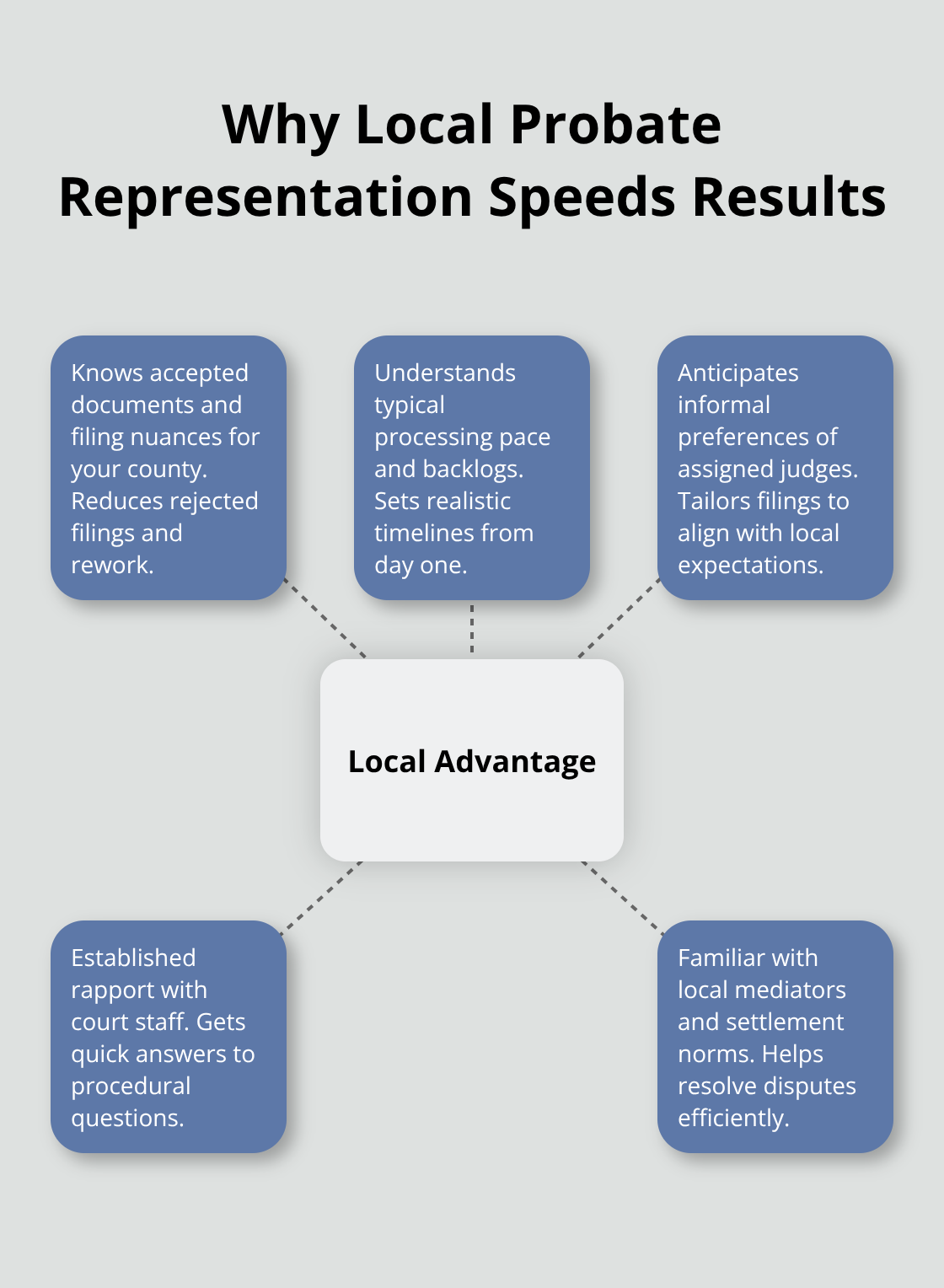
Every county runs probate differently. The State Bar of Michigan’s Probate Information resources outline how guardianship, conservatorship, and estate administration vary by jurisdiction, and these differences matter enormously when settling an estate. A lawyer who knows your specific county’s probate court procedures, filing deadlines, and local judge preferences will navigate the system faster than someone unfamiliar with the territory.
Understanding Your County’s Court System
Local attorneys understand which documents the court accepts, how quickly your county processes petitions, and whether judges in your area tend to approve estates quickly or scrutinize them heavily. This knowledge directly affects your timeline. Probate timelines range from a few months to several years, influenced by estate size, beneficiary disputes, and court backlogs, so having someone who understands your county’s typical pace gives you realistic expectations from day one.
How Court Relationships Accelerate Your Case
Judges and court staff see the same attorneys year after year. When your probate lawyer has worked in your county for years, court staff recognizes them, knows their work quality, and processes their filings smoothly. This isn’t about favoritism-it’s about efficiency. A lawyer who has handled dozens of estates in your specific probate court understands the informal preferences of the judges assigned to your case and knows which court clerks can answer procedural questions quickly.
State-Specific Laws Create Hidden Traps
State-specific probate laws create traps that out-of-state or unfamiliar attorneys miss. Michigan probate law differs from California probate law differs from Ohio probate law. In California, executor compensation is governed by state law and calculated as a tiered percentage of the estate value, whereas other states use hourly rates or flat fees. A local attorney knows these rules cold and structures your estate administration to comply with them.
An unfamiliar attorney might miss filing deadlines, use outdated forms, or fail to follow state-specific procedures that protect your beneficiaries. Law Offices of Roshni T. Desai provides personalized probate services across Southern California with over 25 years of experience, helping families avoid costly mistakes and unnecessary delays. When you work with someone who knows your region’s specific requirements, you protect your estate from preventable errors that unfamiliar attorneys often create.
What to Look for When Hiring a Probate Lawyer
Track Record in Your Specific County
Ask any probate lawyer about their track record with cases in your specific county, not just their general experience. A lawyer who has handled 50 estates in your county’s probate court understands the judges, knows court filing quirks, and can predict realistic timelines. When you meet with candidates, request concrete examples of similar cases they’ve closed in your area and ask how long those cases took from filing to final distribution. Court backlogs vary wildly by county, so a lawyer familiar with your local docket can tell you whether your estate will likely close in six months or two years. Probate timelines range from a few months to several years depending on estate complexity and court volume, which means local knowledge directly impacts your planning. Don’t accept vague answers like “we handle many estates.” Instead, ask for specific case numbers or at least the years and approximate estate values of comparable cases they’ve managed locally.
Understanding Fee Structures and Cost Estimates
Fee structures vary dramatically, so understand exactly how you’ll pay before hiring. Some attorneys charge hourly rates ranging from $150 to $400 per hour depending on experience and location, while others quote flat fees for straightforward estates. In California, probate attorney fees follow a statutory scale: 4% of the first $100,000 of the estate, 3% of the next $100,000, 2% of the next $800,000, and lower percentages for larger amounts.
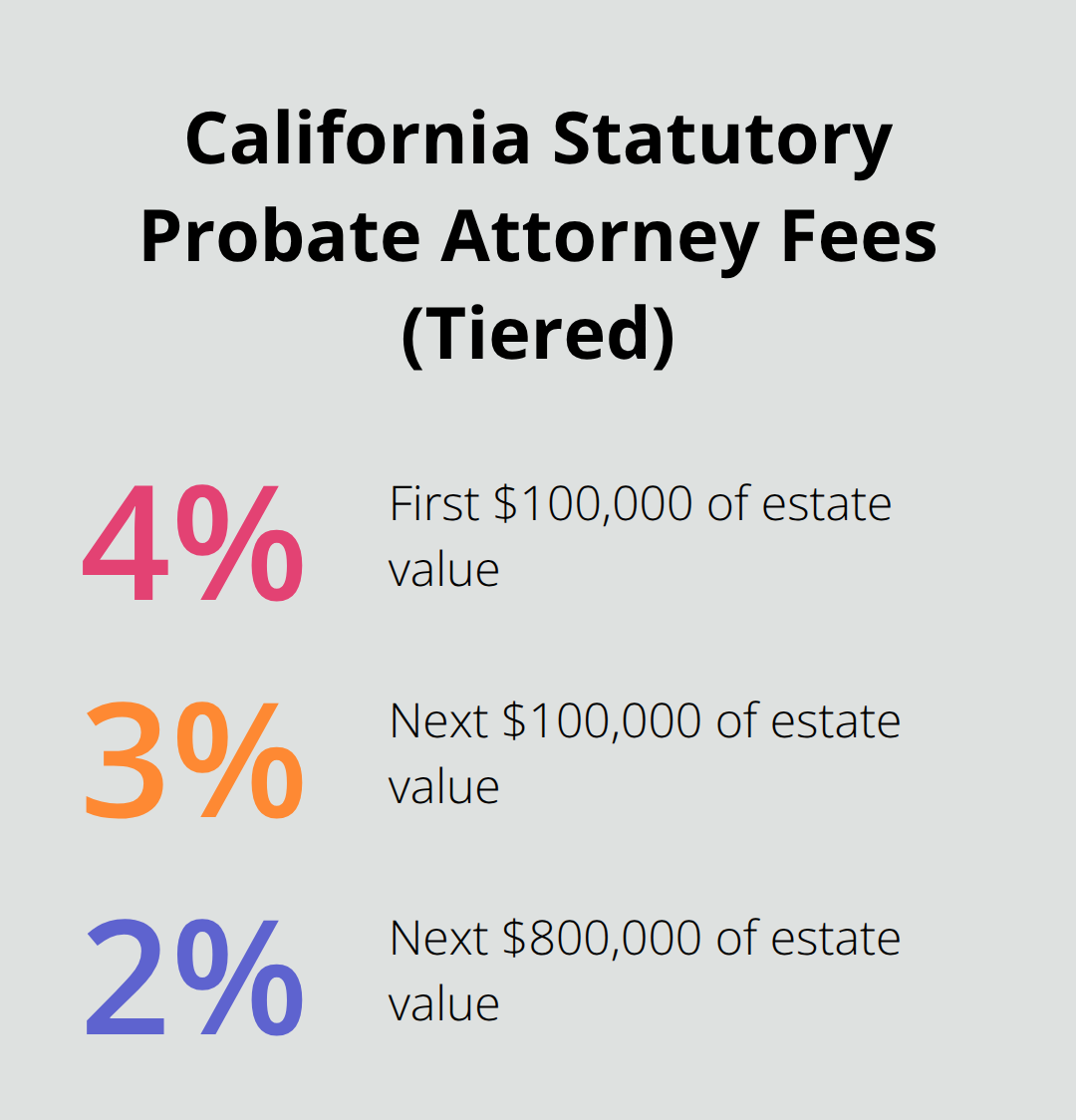
Ask your candidate attorney whether your state uses similar statutory fees or whether they charge hourly or flat rates, and request a written estimate based on your estate’s likely complexity. Find out whether they’ll bill for every phone call or email, and confirm who pays the legal bill-usually the estate covers probate costs rather than beneficiaries paying out of pocket.
Availability and Communication Style
Verify their availability for in-person meetings. Some attorneys now offer video conferencing, but probate requires reviewing original documents, signing paperwork, and discussing sensitive matters face-to-face at least occasionally. If a lawyer resists meeting you in person or primarily communicates through junior staff, that’s a red flag about their commitment to your case. Ask how often they’ll update you, whether they respond to calls and emails within 24 hours, and whether they handle your case personally or delegate it to associates. These communication preferences matter enormously when you’re managing a complex estate and need quick answers to urgent questions.
When you’ve identified attorneys who meet these standards, you’re ready to evaluate how they’ll handle the specific probate challenges your estate will face.
Common Probate Issues That Require Local Legal Help
Contested Wills and Family Disputes
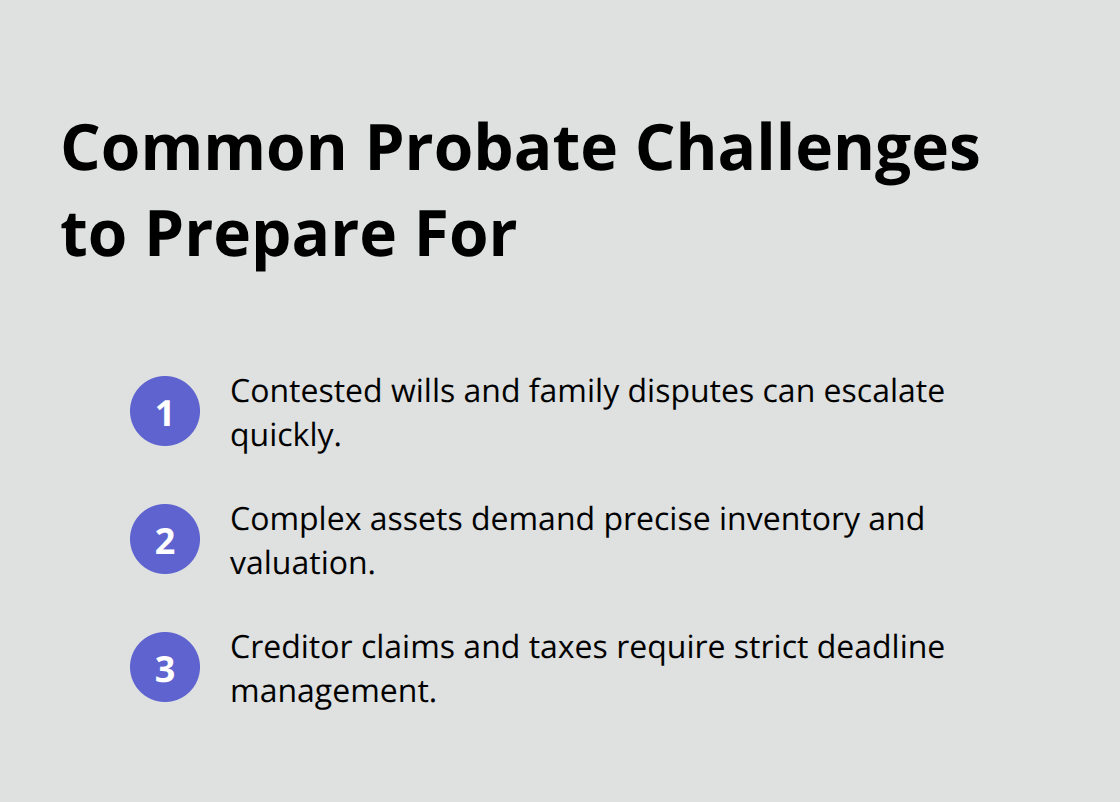
Most estates settle without drama, but the ones that land on a probate lawyer’s desk often involve real conflict. Contested wills happen more frequently than many families realize. When multiple heirs believe they have a legitimate claim to the estate or when someone challenges the validity of the will itself, you need a local attorney who has navigated these disputes in your specific court system.
Court records are public, which means contested cases create a paper trail that judges and opposing counsel will scrutinize heavily. A lawyer familiar with how judges in your county rule on will contests can advise whether fighting a challenge makes financial sense or whether settlement negotiations will protect more of the estate.
When beneficiaries cannot agree on how to split the estate, your attorney needs relationships with court mediators and the credibility to advocate effectively before the judge assigned to your case. Family disagreements over asset distribution require someone who understands local mediation resources and the judges’ track records on similar disputes.
Managing Complex Estate Assets
Complex estates involving multiple properties, business interests, investment accounts, and retirement assets require attorneys who understand which assets actually enter probate and which bypass it entirely. Life insurance proceeds and retirement accounts with named beneficiaries typically avoid probate completely, while real estate, business interests, and personal property must be inventoried, appraised, and distributed through the probate process.
An attorney unfamiliar with your county’s property records system or local appraisal practices will waste months gathering information that a local lawyer obtains in weeks. Real estate complications such as outdated titles, joint ownership questions, and recorded liens require specialized knowledge that your county’s court system demands. Your attorney needs to know which documents the court accepts and how quickly your county processes asset valuations.
Handling Tax Obligations and Creditor Claims
Tax obligations complicate matters further because the estate itself may owe federal or state income taxes, and beneficiaries might face inheritance tax depending on your state’s rules. In states like California, the executor compensation is calculated as a percentage of the estate value, so larger estates generate higher legal bills that require upfront transparency about costs.
Creditor claims must be verified, negotiated, and settled properly to avoid unnecessary strain on remaining assets. A probate attorney with local court experience knows which creditor claims are legitimate, how aggressively to negotiate reductions, and whether your county’s court typically approves settlement agreements quickly or demands extensive documentation. Without this knowledge, you risk overpaying claims or missing statutory deadlines that invalidate them entirely.
Final Thoughts
A local probate lawyer near me eliminates the guesswork from estate administration and protects your family from costly mistakes. When you find someone who understands your county’s court system, knows local judges, and grasps your state’s specific rules, you avoid months of unnecessary delays and thousands of dollars in preventable costs. The difference between hiring a familiar attorney and an unfamiliar one often amounts to significant time and money saved.
Your search starts with asking targeted questions about local track records, requesting written fee estimates, and meeting candidates in person to assess their communication style. Bring your estate documents, asset lists, and questions about their experience in your specific county to these meetings. Many attorneys offer free consultations, which gives you a chance to evaluate whether they’re the right fit before committing.
We at Law Offices of Roshni T. Desai understand that probate administration demands someone who knows your region inside and out. With over 25 years of experience across Southern California, we provide personalized probate and estate planning services including trust administration, powers of attorney, and elder law guidance. Contact us today to discuss your probate needs and find the local representation your family deserves.