




Probate Real Estate Closing: Smooth Transactions Amid Probate
Selling property during probate feels overwhelming because the process involves court approval, creditor claims, and strict legal timelines that don’t exist in regular real estate transactions.
At Law Offices of Roshni T. Desai, we’ve guided families through countless probate real estate closings, and we know the specific obstacles that slow things down. This guide walks you through what to expect and how to move forward efficiently.
How Property Moves Through Probate and Why It Takes Longer
When someone passes away owning property solely in their name, that property becomes part of their probate estate. The court does not automatically transfer ownership to heirs. Instead, it appoints a personal representative (called an executor or administrator) who holds the legal authority to sell the property on behalf of the estate. This appointment process alone typically takes 2-4 weeks, and you cannot close on any sale until the court officially names this person. Once appointed, the personal representative must obtain a certified appraisal to establish fair market value for the court and heirs, then file a petition requesting permission to sell. The court usually approves sales at fair market value within 2-4 weeks of the petition filing, but this means your timeline already extends 4-8 weeks before the property even lists.
The Court’s Role Creates Extended Timelines
Probate sales differ fundamentally from regular transactions because proceeds must first cover estate debts, creditor claims, and taxes before any money reaches heirs. If the deceased person had medical bills, funeral expenses, an outstanding mortgage, or unpaid property taxes, those obligations receive payment from sale proceeds first. This creates a critical planning step: you need to estimate total estate value and outstanding debts early to project when the property might realistically become available for sale and how much will remain for distribution.
The court’s involvement means probate closings typically take 6-9 months for straightforward estates, though complex situations with multiple assets or disputes can stretch 2 years or longer. A standard real estate transaction closes in 30-45 days; probate adds months of mandatory waiting periods and administrative steps. Buyers and their lenders must understand this timeline upfront-many deals collapse because buyers grow impatient or their financing falls through during the extended wait.
Title Issues and Property Condition Complications
Title searches often uncover liens, easements, or unpaid taxes that must be resolved before closing, and addressing these issues requires court coordination. Additionally, many probate properties sell as-is, meaning buyers should budget for unexpected repairs after closing. When a buyer’s lender enters the picture, they require title work, appraisal, and inspection within 7-10 days after offer-delays in providing these documents directly threaten deal closure.
Documentation Readiness Prevents Weeks of Setbacks
Preparation at the probate outset saves substantial time. You need a certified death certificate, the original will or trust documents, the court appointment order, property deed, title search results, any mortgage or lien information, and proof of property tax payments or outstanding amounts. Running a title search early identifies problems like improper recordings or incorrect legal descriptions that can derail closing weeks later. If liens exist, determine payoff amounts and settle them before listing to prevent negotiations from stalling.
When buyers’ lenders request verification, you respond quickly with organized documentation, keeping closing momentum intact rather than scrambling to locate paperwork months into the process. This preparation phase determines whether your probate sale moves forward smoothly or encounters preventable delays that extend timelines and frustrate all parties involved.
What Really Stops Probate Property Sales From Closing
Court-Mandated Delays and Creditor Priorities
Probate real estate transactions face three distinct categories of obstacles that prevent closings or extend timelines by months. The first stems from court-mandated delays and creditor priorities that do not exist in standard sales. When a property enters probate, creditors have a legal window to file claims against the estate, typically 4-6 months depending on your state. Medical bills, funeral expenses, mortgage payments, and property taxes must receive payment from sale proceeds before heirs receive anything. This creditor-first structure means you cannot simply close a sale and distribute funds immediately-the estate must retain sufficient capital to cover all known and potential claims. Calculate total estate liabilities upfront, then structure the sale timeline around creditor deadlines rather than pretending they will disappear. Many families underestimate this step and face surprise delays when creditors emerge mid-closing process, forcing renegotiation or deal collapse.
Property Condition and Buyer Financing Restrictions
The second obstacle involves property condition and buyer financing restrictions that compound each other. Probate properties frequently sell as-is, yet buyers’ lenders still demand full inspections, appraisals, and title verification within 7-10 days of offer acceptance.
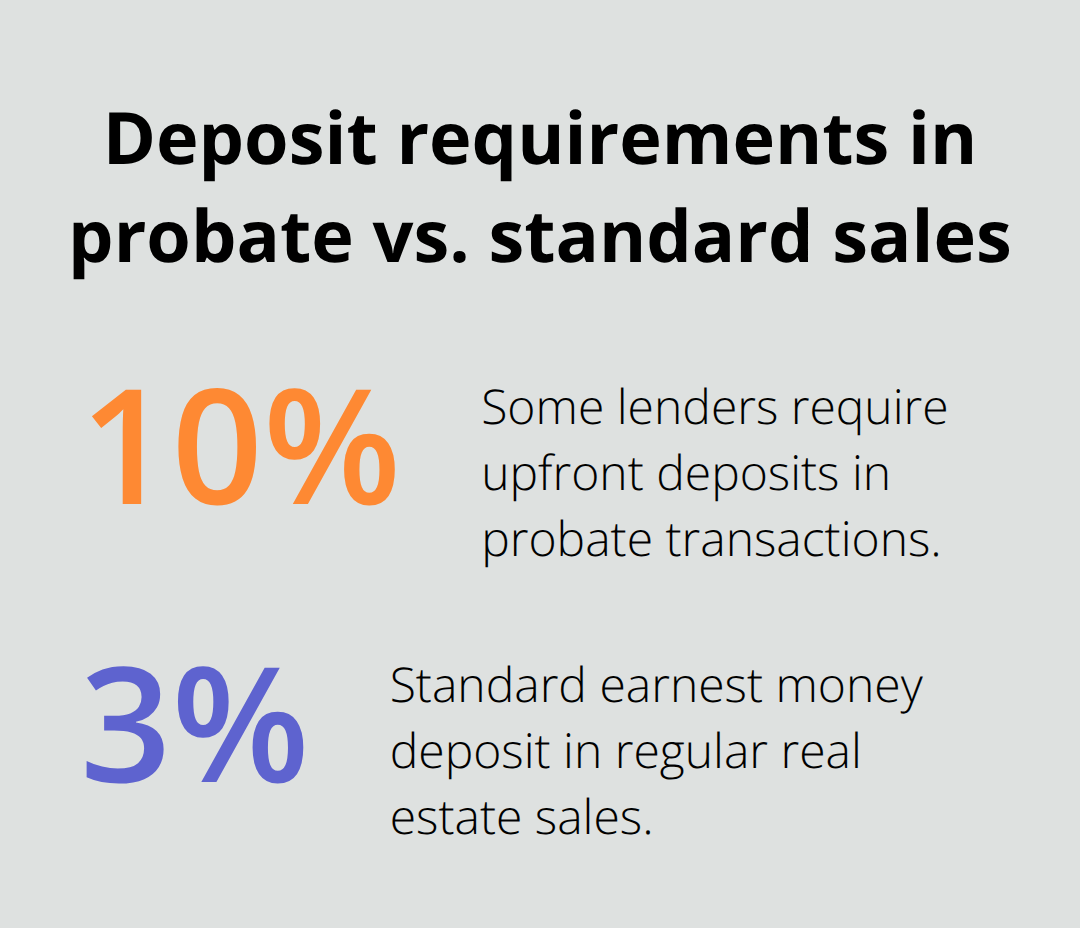
When inspections reveal deferred maintenance or structural issues, buyers often request price reductions or repairs-but the personal representative cannot authorize major work without additional court approval, creating a negotiation stalemate. Financing complications worsen this dynamic because many lenders impose stricter requirements on probate transactions. Some require proof that the personal representative holds court-appointed authority; others demand 10 percent deposits upfront rather than standard 3 percent, creating cash flow pressure on buyers. If title work uncovers liens or easements, lenders may refuse to fund until those issues resolve, pushing closing dates backward.
Preventing Deal Collapse Through Early Action
The practical solution involves obtaining a professional property inspection and title search before listing, addressing fixable issues immediately, and clearly communicating financing restrictions to potential buyers during initial discussions. Buyers who understand probate financing constraints upfront rarely abandon deals later; those surprised by restrictions during underwriting frequently do. Transparency about these limitations at offer stage prevents weeks of frustration and deal collapse that would force relisting and restarting the entire process. This preparation phase determines whether your probate sale moves forward smoothly or encounters preventable obstacles that extend timelines and frustrate all parties involved.
The obstacles you now understand-court delays, creditor claims, and financing restrictions-all become manageable when you address them strategically before listing. The next section reveals how working with the right professionals transforms these challenges into a structured, predictable process.
How to Move a Probate Sale Forward Without Getting Stuck
Assemble Your Team Before Listing
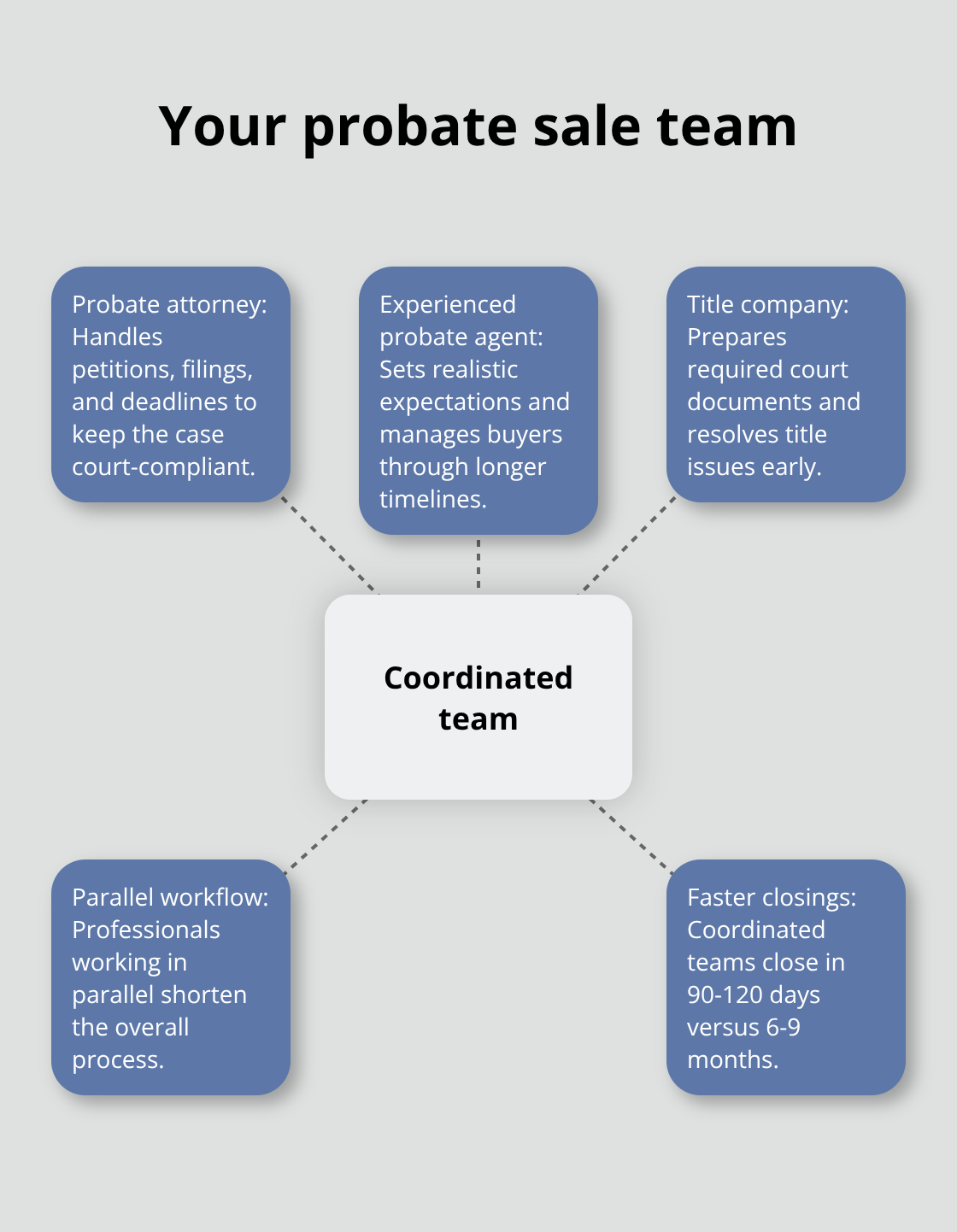
Probate real estate closings succeed when you stop treating them like standard transactions and instead build a process designed around court timelines, creditor priorities, and financing restrictions. The single most effective strategy involves assembling a coordinated team before listing the property, not after problems emerge. Your personal representative needs a probate attorney familiar with probate real estate sales to handle court petitions and comply with filings and deadlines. A real estate agent experienced in probate transactions understands that buyers move slower on these deals and manages expectations upfront rather than overpromising quick closings. A title company that regularly handles probate closings knows which documents the court requires and which title issues demand immediate resolution. These three professionals working in parallel rather than sequentially compress timelines dramatically-coordinated teams close probate sales in 90-120 days versus 6-9 months for families managing the process alone.
Prepare Documentation Immediately
Documentation preparation determines whether your closing stays on schedule or stalls for weeks. Collect the certified death certificate, original will or trust documents, the court appointment order naming the personal representative, the property deed, recent property tax statements, mortgage payoff information, and any HOA or code enforcement liens within the first two weeks after appointment. Run a title search immediately to identify liens, easements, or recording errors; waiting until after you accept an offer means a buyer’s lender discovers title problems during underwriting, forcing renegotiation or deal collapse. If liens exist, obtain written payoff quotes now so you know exactly what sale proceeds will cover. Request a professional appraisal before listing rather than waiting for a buyer’s lender to require one-this certified valuation establishes fair market value for court approval and prevents lowball offers from stalling the process.
Price Competitively to Attract Serious Buyers
Competitive pricing attracts serious cash buyers and institutional investors who understand probate timelines and close faster than traditional buyers dependent on financing contingencies. Properties priced 5-10 percent below fair market value generate multiple offers within the first two weeks, creating urgency among buyers and reducing the likelihood that deals collapse mid-process. Overpriced probate properties sit on the market for months, attracting only tire-kickers and buyers unfamiliar with probate restrictions who abandon deals once they encounter financing obstacles or court delays.
Communicate Terms Clearly From the Start
Clear communication about the as-is condition and probate timeline filters out unsuitable buyers early. List the property with explicit language that it sells as-is, closing will occur 60-90 days after offer acceptance pending court approval, and financing contingencies must be removed or severely limited. Serious buyers accept these terms immediately; unsuitable buyers self-select out before wasting anyone’s time. This upfront transparency prevents weeks of frustration and deal collapse that would force relisting and restarting the entire process.
Final Thoughts
Probate real estate closings succeed when you treat them as structured processes rather than standard transactions. Assembling your team early, preparing documentation immediately, and pricing competitively to attract serious buyers compresses closing timelines from 6-9 months to 90-120 days. Professional guidance from a probate attorney, real estate agent, and title company working in parallel eliminates preventable delays and costly mistakes that force families to relist and restart everything.
We at Law Offices of Roshni T. Desai understand that probate real estate transactions involve unique obstacles that standard sales do not. Our background in law and real estate streamlines property sales to reduce costs, delays, and communication confusion while handling court petitions, creditor coordination, and documentation requirements. Contact us for a free consultation to discuss your specific probate situation and property sale timeline-we offer flexible home or office visits across Southern California and can answer questions about whether your property requires probate, how long your closing might take, and what documentation you need to gather now.
Visit Law Offices of Roshni T. Desai to schedule your consultation and move forward with confidence.