




SoCal Probate Attorney Reviews: Real Experiences From Local Clients
Choosing the right probate attorney in Southern California can make the difference between a smooth estate settlement and months of frustration. We at Law Offices of Roshni T. Desai have seen firsthand what separates trustworthy counsel from those who leave families confused and overwhelmed.
This guide pulls together real SoCal probate attorney reviews and client experiences to show you exactly what matters when selecting representation for your estate.
What Clients Really Want From a Probate Attorney
Southern California clients searching for probate counsel consistently prioritize three factors above all others, according to AVVO reviews of local attorneys. Responsiveness tops the list-clients want timely updates on deadlines and clear explanations of what’s happening with their estate. A probate attorney who answers calls within 24 hours and sends email updates without being asked makes an enormous difference in reducing anxiety during an already stressful time.
Direct Access to Your Attorney
Direct access to the attorney matters more than you might think. If you speak to a paralegal instead of the lawyer you hired, you’ll feel disconnected from your case. Test this during your initial consultation by asking who will handle your day-to-day communication. California probate law is highly specific, and a local attorney who understands LA Superior Court procedures, Orange County filing rules, and regional property transfer practices will spot issues a generalist would miss.
Understanding Tax Thresholds and Fee Structures
Federal estate tax applies to estates above $13.61 million in 2024, but California has no state estate tax, so your attorney needs to know exactly which thresholds apply to your situation. Transparent pricing eliminates surprises down the road. California Probate Code sections 10800 and 10810 set statutory fee schedules based on gross estate value-for a $2 million estate, total fees to the executor and attorney combined are roughly $66,000. Ask your attorney for a written fee estimate before you hire them. If they refuse or seem evasive about costs, walk away immediately. The fees are charged to the estate, not your personal funds, but you deserve to know exactly what you’re paying.
Communication Prevents Costly Misunderstandings
An attorney who communicates clearly and frequently prevents costly misunderstandings. When you receive regular email summaries of court filings, deadline changes, or asset discoveries, you stay informed and can make better decisions about your estate. Many Southern California firms now offer video conferencing and flexible meeting options, making it possible to work with an attorney even if you live outside the area. However, local presence still matters because your attorney needs to understand the specific probate court where your case will be filed.
Real Estate Credentials and Tax Planning
Some probate attorneys also hold real estate licenses, which streamlines the sale of property within your estate and reduces communication delays. Ms. Desai at Law Offices of Roshni T. Desai holds dual licensure as an attorney and real estate professional, allowing the firm to handle property transfers efficiently and cut down on back-and-forth between separate professionals. If your estate includes real property-which most do-ask your attorney about their experience with title issues, escrow coordination, and property transfers. Tax planning strategies like irrevocable life insurance trusts, qualified personal residence trusts, and annual gifting programs can reduce what your estate owes, but your attorney must coordinate with your accountant or financial advisor to catch these opportunities before it’s too late. These conversations with your attorney about real estate and tax planning set the stage for identifying which red flags to watch for when making your final selection.
What Real SoCal Families Experience in Probate
The Timeline Reality
Probate moves slower than most families expect. A typical Southern California estate takes 9 to 18 months to settle, depending on the estate size, number of heirs, and whether disputes emerge. Local families consistently report that the biggest shock isn’t the legal complexity-it’s the waiting. Court schedules move at their own pace, and creditors have deadlines that stretch the timeline. One Orange County executor discovered halfway through administration that her mother’s estate held investment accounts across three different institutions, each with separate transfer procedures and timelines. Had she known upfront, she could have requested consolidated statements earlier and avoided six additional weeks of delays.
This reveals a critical point: a thorough probate attorney identifies all assets in the first few weeks, not midway through the process. Clients who work with attorneys offering transparent asset inventories and detailed checklists report significantly less frustration.
Family Tension and Clear Communication
Another recurring theme from local testimonials is family tension. About 5% of probate cases involve will contests, according to ABA Journal data, but even cases without formal contests can strain relationships when siblings disagree about executor decisions or asset valuations. A San Diego family faced conflict when one heir questioned whether the executor was paying reasonable fees to the attorney. Clear communication from the attorney-explaining that California Probate Code sections 10800 and 10810 set statutory fee limits and that fees are transparent and charged to the estate-resolved the tension immediately.
Families consistently praise attorneys who proactively explain the legal framework and costs before disputes take root. This approach prevents misunderstandings that can damage family relationships permanently.
Trust, Reliability, and Forward-Thinking Counsel
Trust and reliability emerge as the defining qualities in every positive client experience. Clients value attorneys who answer emails within 24 hours, show up prepared for meetings, and explain decisions in plain language rather than legal jargon. One Riverside beneficiary noted that her attorney flagged a potential tax planning opportunity-specifically, a qualified personal residence trust strategy-early enough to implement it before year-end, saving the estate thousands in federal taxes. That kind of forward-thinking approach comes from attorneys who stay involved and think beyond the minimum requirements.
Conversely, clients express deep frustration with attorneys who disappear after initial meetings, assign all contact to paralegals, or miss court deadlines.
Real Estate Knowledge and Integrated Services
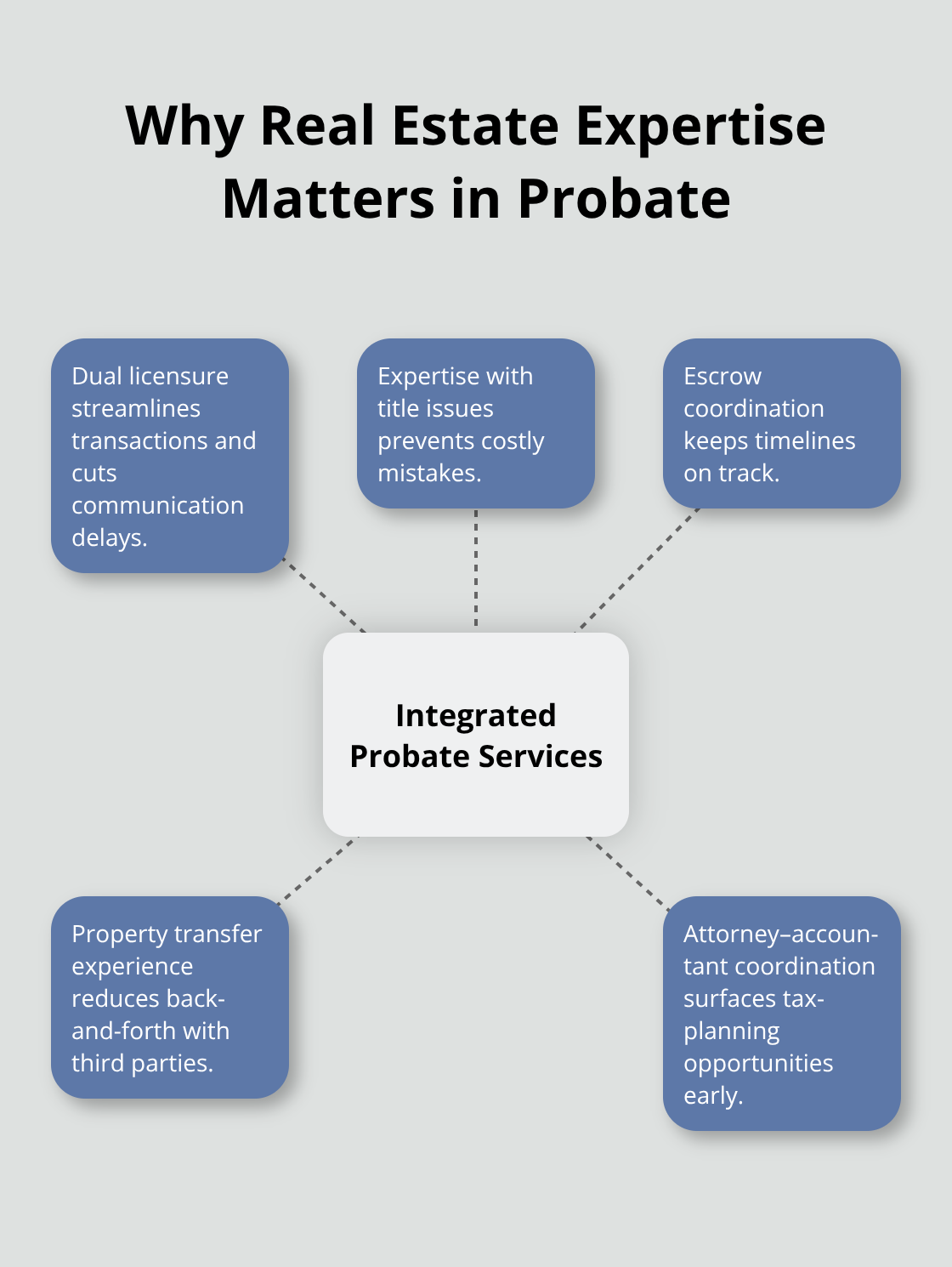
Local families also appreciate attorneys with real estate knowledge. When an estate includes property (and most do), having an attorney who understands title issues, escrow coordination, and property transfers prevents costly mistakes. Ms. Desai’s dual licensure as both attorney and real estate professional exemplifies this advantage, streamlining transactions and cutting communication delays between separate professionals. Families report that this integrated approach saves money and reduces stress significantly compared to juggling separate legal and real estate representation.
These real experiences from Southern California families point to what separates adequate representation from counsel that truly protects your interests. The next section examines the warning signs that should prompt you to look elsewhere.
Red Flags That Point to the Wrong Probate Attorney
Local Court Experience Matters More Than You Think
A probate attorney who lacks California court experience will cost you time and money, even if they excel in other practice areas. Courts in Los Angeles, Orange County, San Diego, and Riverside counties follow specific local rules that statutes don’t capture. An attorney unfamiliar with how the San Diego Superior Court handles probate motions, or who doesn’t know the filing preferences at the Orange County courthouse, will miss procedural shortcuts that experienced local counsel use routinely. Ask your prospective attorney directly: How many probate cases have you filed in this specific county court? If they hedge or cite experience in other states, that signals you should keep looking. California Probate Code sections 10800 and 10810 govern attorney fees, but only attorneys who regularly practice in your county truly understand how judges apply those rules in practice. An attorney with appellate experience demonstrates capability to defend probate decisions on appeal; absence of appellate history can signal limited high-stakes litigation experience.
Written Fee Estimates Protect You From Surprises
An attorney who refuses to provide a written fee estimate before you hire them signals either incompetence or dishonesty. California law requires transparent fee disclosure, and if someone won’t commit to it in writing, walk away immediately. Similarly, if an attorney quotes you a flat fee but won’t itemize what’s included, you set yourself up for surprise charges later. Ask whether the firm advances court costs or bills you for them, and get that answer in writing. Some firms charge clients for filing fees, service of process, and transcript costs upfront; others absorb those costs and recover them from the estate. The difference can mean thousands of dollars out of your pocket during administration.
Responsiveness Reveals How They’ll Treat Your Case
Poor communication reveals itself fast during your initial consultation. If the attorney spends most of the meeting with a paralegal in the room rather than engaging with you directly, or if they seem rushed and unwilling to answer questions thoroughly, that’s exactly how they’ll treat your case after you sign the retainer agreement. Call their office with a follow-up question after your consultation and note how long it takes to get a response. If it takes longer than 24 hours, assume that’s your baseline for the entire probate process. Real clients consistently report that attorneys who disappear after the initial meeting or assign all contact to paralegals create massive frustration, especially when court deadlines approach. One Riverside family discovered their attorney had missed a probate notice deadline only when the court sent a warning letter. That lapse happens when an attorney overbooks cases or lacks systems to track client deadlines.
Direct Access to Your Attorney Is Non-Negotiable
Ask directly: Will I communicate with you or primarily with your staff? If the answer includes words like mostly, typically, or usually, they’re telling you they won’t be consistently available. Test this commitment during your consultation by asking who will handle your day-to-day communication. You deserve to know whether you’ll speak with the attorney you hired or spend months talking to paralegals. Attorneys who prioritize direct client contact and respond within 24 hours demonstrate they value your case and understand that probate administration demands consistent attention.
Missing Deadlines and Overbooked Caseloads
An attorney who misses court deadlines or fails to track probate notice requirements puts your entire estate at risk. These failures typically stem from overbooked caseloads or inadequate office systems. Ask your prospective attorney how many active probate cases they handle at any given time. If they won’t answer or cite a number that seems unreasonably high (more than 50 active cases per attorney), that’s a warning sign. Courts in Southern California move at their own pace, and creditors have deadlines that stretch timelines. Your attorney must have capacity to track every deadline and respond promptly when issues arise. A thorough probate attorney identifies all assets in the first few weeks, not midway through the process, and maintains contact with you throughout administration.
Final Thoughts
SoCal probate attorney reviews consistently point to three non-negotiable priorities: clear communication, transparent pricing, and deep knowledge of local probate law. The families you’ve read about in this guide didn’t choose their attorneys randomly-they asked specific questions about local court experience, demanded written fee estimates, and tested responsiveness during initial consultations. They prioritized direct access to the attorney rather than accepting promises of paralegal support.
Finding the right fit means consulting two or three local probate attorneys and comparing their answers to the same questions. Ask about their experience in your specific county court, request a written fee estimate, and call their office after your consultation to time how long it takes to receive a response. Pay attention to whether the attorney engages with you directly or hides behind staff during meetings.
We at Law Offices of Roshni T. Desai understand that probate is challenging and time-consuming, which is why Ms. Desai’s dual licensure as both attorney and real estate professional means your estate benefits from integrated legal and property knowledge. The firm provides personalized probate and estate planning services across Southern California with flexible home or office visits and free consultations. Contact us today to discuss your specific situation and take the first step toward protecting your family’s interests.