




SoCal Trust Attorney Guidance: Expert Counsel Across the Region
A trust is one of the most powerful tools for protecting your assets and controlling how your family receives them after you’re gone. Southern California’s complex real estate market and high property values make SoCal trust attorney guidance even more important.
We at Law Offices of Roshni T. Desai help families navigate trust creation, management, and administration. This guide walks you through what trusts accomplish and why working with a local attorney matters for your specific situation.
What a SoCal Trust Attorney Actually Handles
A trust is not a one-time document you file and forget. It’s a living arrangement that requires setup, funding, and ongoing management to actually protect your assets and avoid probate. When you establish a revocable living trust in California, you create a legal entity that holds your property during your lifetime and transfers it to beneficiaries after you die without court involvement.
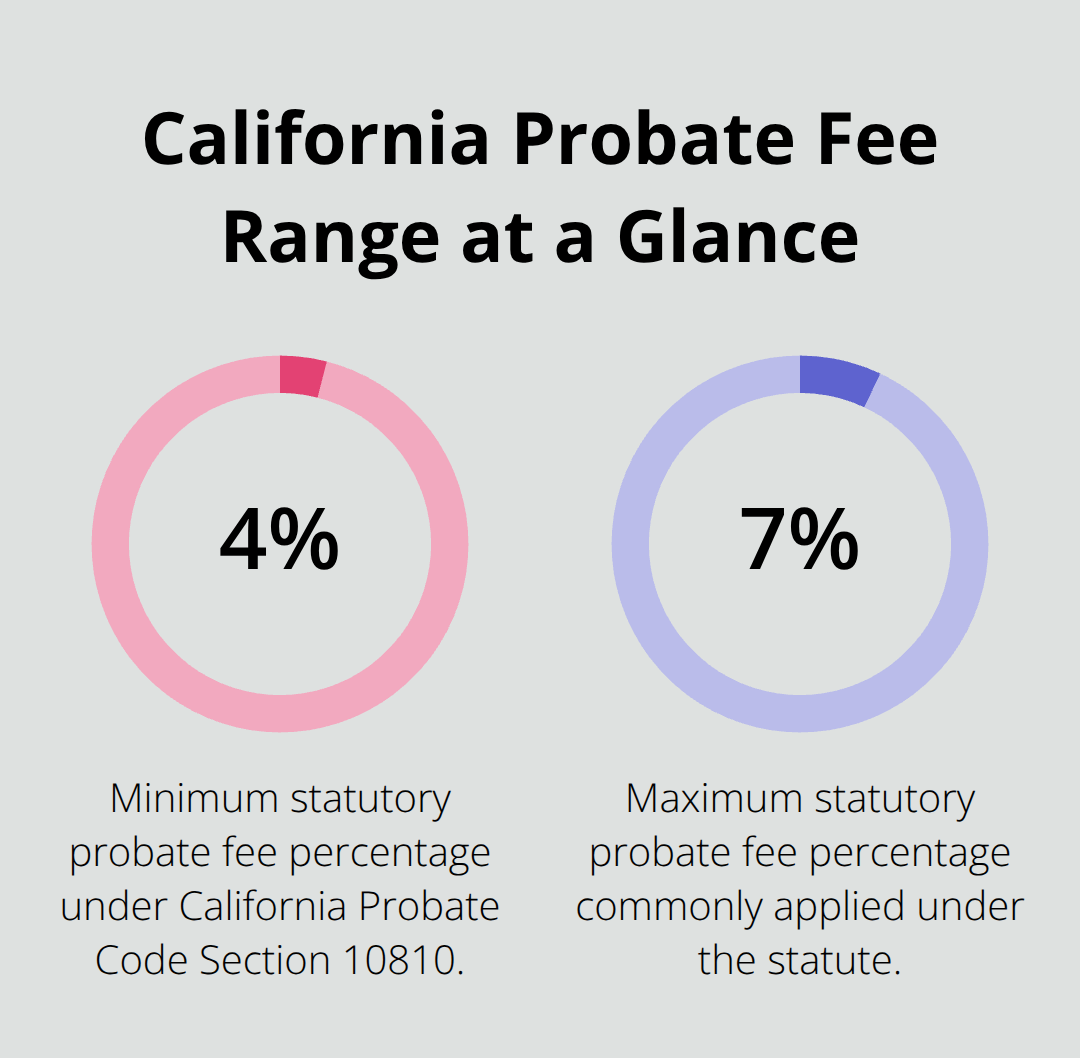
The real work happens in the funding stage-transferring your bank accounts, investment portfolios, real estate, and other assets into the trust’s name. Most people who create a trust but never fund it end up giving their family a false sense of security while their estate still goes through probate, which costs 4 percent to 7 percent of the estate value according to California Probate Code Section 10810.
Real Estate Transfers Require Local Knowledge
Southern California’s real estate market moves fast and carries tax implications that generic templates miss. When you transfer property into a revocable living trust, you file a grant deed and a Preliminary Change of Ownership Report. Here’s what matters: transferring your primary residence into a revocable living trust does not trigger a property tax reassessment under Proposition 13, which saves many families thousands of dollars. You also preserve homestead protections even after the trust takes ownership.
Ms. Desai’s dual licensure as an attorney and real estate professional streamlines trust funding with property transfers in ways that reduce delays and communication gaps between your attorney, title company, and escrow agent. This background prevents costly mistakes when real estate makes up a significant portion of your estate.
Administration and Distribution Demands Precision
After your death or incapacity, someone must manage the trust’s assets, pay bills, file tax returns, and distribute funds to beneficiaries according to your instructions. This is trust administration, and it’s where vague language in the trust document creates conflict.
You need clear distribution timelines-whether beneficiaries receive funds immediately, in stages, or only under specific conditions. If you have a child with special needs, the trust must preserve their government benefits while providing support. If you have a blended family, the trust must specify whether assets go to your spouse first or directly to your children.
California Probate Code Section 15600 requires trustees to act with loyalty and impartiality toward all beneficiaries, which means the trustee cannot favor one family member over another without legal grounds. Distribution instructions that reflect your actual wishes and account for California’s community property rules prevent the disputes that devastate families when the trust’s language leaves room for interpretation.
These administration and distribution challenges set the stage for understanding the common trust issues that Southern California residents face when they lack proper planning or guidance.
Common Trust Issues Southern California Residents Face
Inadequate planning creates the conditions for family conflict, and Southern California’s high-value real estate market amplifies the damage. According to Caring.com’s 2025 Wills Survey, only 24 percent of adults have a will-down from 33 percent in 2022-while more than 50 percent of Americans lack any estate planning documents at all. In Southern California, where median home prices exceed $800,000 in many counties, families without trusts or clear instructions face probate costs of 4 to 7 percent of estate value under California Probate Code Section 10810.
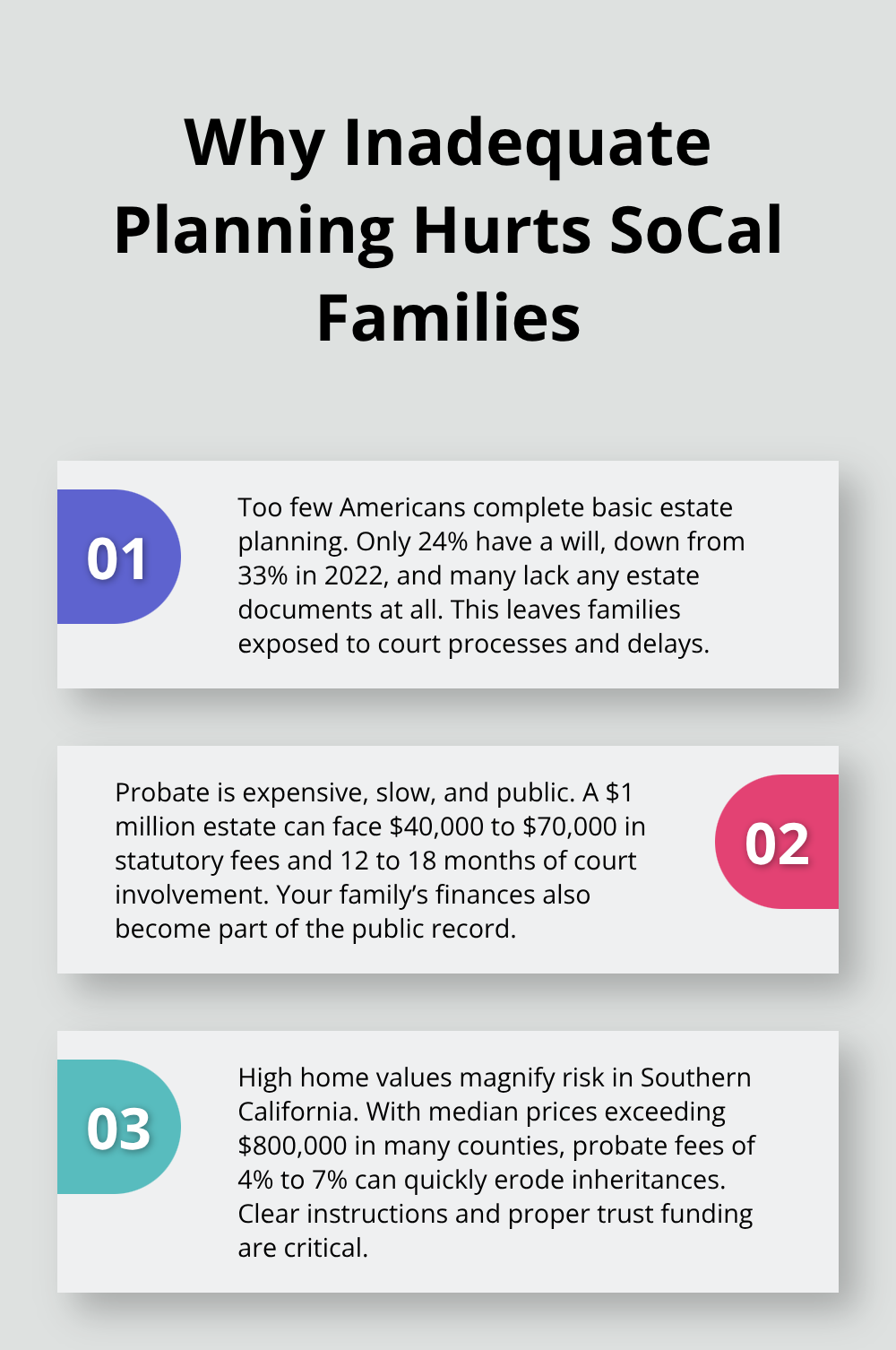
For a $1 million estate, that translates to $40,000 to $70,000 in statutory fees alone, plus 12 to 18 months of court involvement. Probate also becomes public record, meaning your family finances appear in court documents.
Vague Language Sparks Beneficiary Disputes
Vague trust language causes trustees to interpret distribution instructions differently than you intended. Disagreements erupt over whether a child receives funds at age 25 or age 35, or whether a surviving spouse gets everything or only income from investments. California Probate Code Section 15600 requires trustees to act with loyalty and impartiality, yet beneficiaries often feel one family member received preferential treatment when the trust document fails to address unequal circumstances-a child with special needs, a beneficiary struggling with addiction, or a second marriage where children from prior relationships compete for resources.
Property Ownership Complications in High-Value Markets
Property ownership complications compound these tensions in high-value markets where real estate represents 60 to 80 percent of many estates. If your home, rental property, or commercial building isn’t properly titled in the trust before you die, it enters probate separately, defeating the trust’s entire purpose and exposing the property to creditor claims during the probate process.
Specificity and Local Knowledge Prevent Conflict
Your trust must spell out exactly when and how beneficiaries receive money-whether immediately upon your death, in stages, or only when they reach specific ages or milestones. If you have a blended family, the trust must clarify whether assets go to your surviving spouse first or directly to your children, and whether your spouse’s inheritance is outright or limited to income only. Special needs beneficiaries require language that preserves government benefits like SSI and Medi-Cal while providing supplemental support for quality of life.
Business interests, investment accounts, and retirement assets need separate funding instructions because not all assets transfer the same way-some require beneficiary designation forms, others require retitling, and some carry tax consequences that demand planning. Real property in Southern California’s competitive market requires a title company and escrow agent who understand trust transfers, grant deeds, and the Preliminary Change of Ownership Report process. Without coordination between your attorney, title company, and escrow agent, delays mount and costs spiral.
The Unfunded Trust Trap
The most critical mistake is leaving the trust unfunded-a document that looks complete but holds no assets, leaving your family with false security and a probate bill anyway. Ms. Desai’s dual licensure as an attorney and real estate professional streamlines trust funding with property transfers in ways that reduce delays and communication gaps between your attorney, title company, and escrow agent. This background prevents costly mistakes when real estate makes up a significant portion of your estate. These administration and distribution challenges set the stage for understanding why working with a local SoCal trust attorney matters for your specific situation.
Why Local Guidance Protects Your Assets
California’s Trust Laws Demand Specialized Knowledge
California’s trust and probate laws shift constantly, and what worked for your neighbor in Nevada won’t work for you in Southern California. California Probate Code Section 15600 imposes fiduciary duties on trustees that differ significantly from other states-trustees must act with loyalty and impartiality toward all beneficiaries, which means distribution decisions require careful documentation to avoid breach of fiduciary duty claims. Proposition 13 rules affect property tax reassessment when you transfer real estate into a trust, but only if the transfer qualifies as a transfer between spouses or a parent-to-child transfer.
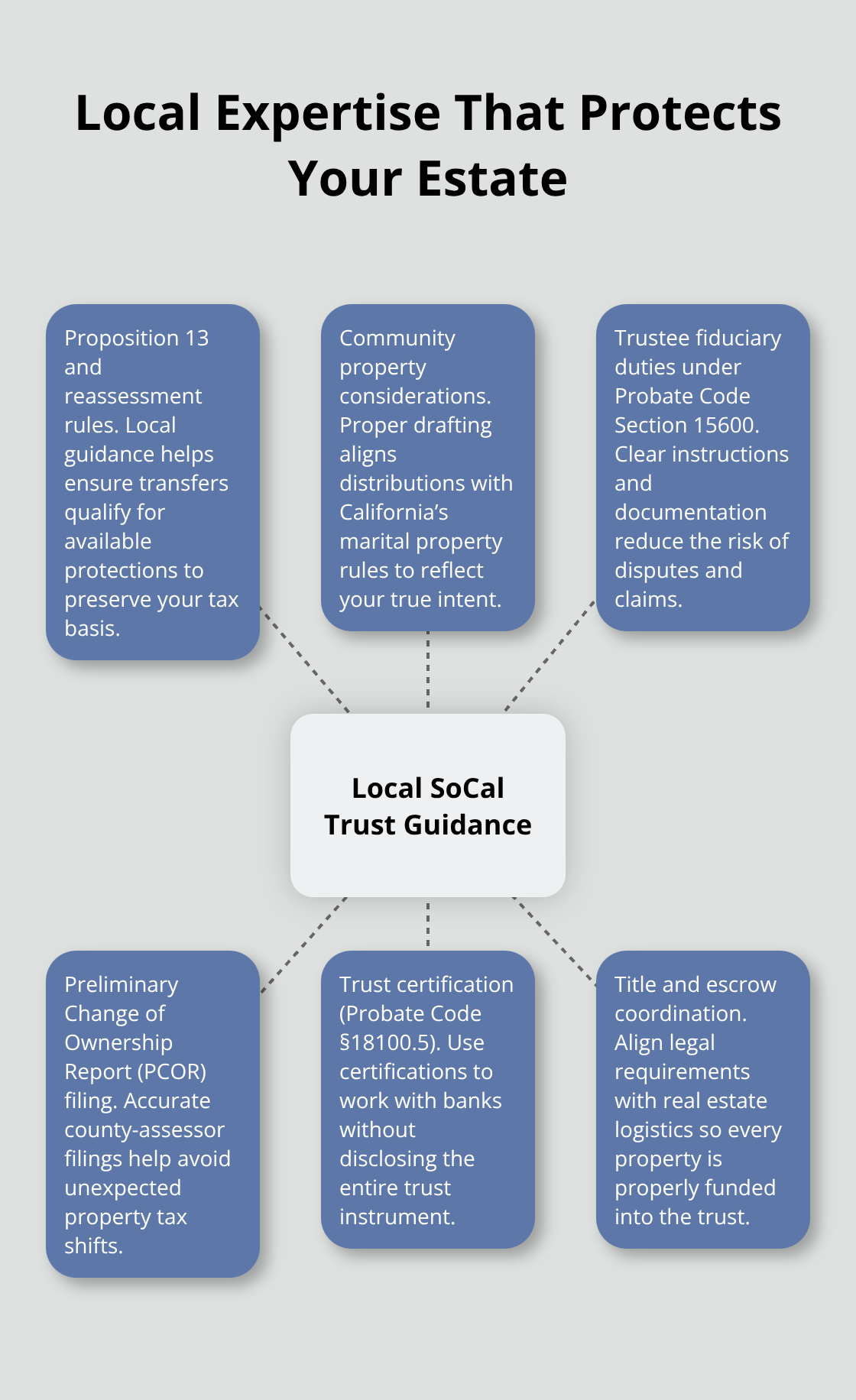
If your trust language doesn’t account for California’s community property rules, assets acquired during marriage may pass differently than you intended, potentially leaving your surviving spouse with less than the law would normally provide. An attorney familiar with California’s specific statutes prevents these costly mistakes-someone who knows that Preliminary Change of Ownership Reports must be filed correctly with your county assessor or your property tax basis could shift unexpectedly, or that a trust certification under California Probate Code Section 18100.5 can protect your privacy when transferring bank accounts without revealing the trust’s full contents to financial institutions.
Real Estate Values Demand Precision in Southern California
Southern California’s real estate values make precise planning non-negotiable. A $2 million estate in Los Angeles County faces probate costs of $80,000 to $140,000 under California Probate Code Section 10810 if the trust remains unfunded, plus 12 to 18 months of court delays while your family waits to access assets. A local attorney understands that median home prices in Ventura County exceed $650,000, meaning real property typically represents 60 to 80 percent of many estates-property that must be funded into the trust correctly or defeats the entire purpose of trust planning.
Property Transfers Require Coordination Across Multiple Parties
Ms. Desai’s dual licensure as an attorney and real estate professional streamlines trust funding with property transfers, reducing delays and communication gaps between your attorney, title company, and escrow agent. This background prevents costly mistakes when real estate makes up a significant portion of your estate. An attorney who understands both legal requirements and real estate transactions can coordinate with title companies and escrow agents more effectively than someone without real estate knowledge.
Accessibility and Ongoing Support Matter
We at Law Offices of Roshni T. Desai offer flexible home or office visits, meaning you don’t need to travel during the planning process or wait weeks between meetings. Ongoing support matters equally-trusts require updates after major life events like marriage, divorce, the birth of children, or significant financial changes. A local attorney who knows your situation handles these updates efficiently rather than requiring you to rebuild your entire plan from scratch with someone unfamiliar with your assets and family circumstances.
Final Thoughts
A properly funded trust protects your family from probate costs, court delays, and public exposure of your financial affairs. Without one, a $1 million Southern California estate faces $40,000 to $70,000 in statutory fees alone, plus 12 to 18 months of court involvement while your family waits to access assets. The difference between a trust that sits unfunded and one that actually works comes down to precision, coordination, and local knowledge.
SoCal trust attorney guidance matters because California’s laws, property tax rules, and community property statutes create traps that generic templates miss. Your trust must account for Proposition 13 protections when you transfer real estate, specify exactly when and how beneficiaries receive funds, and coordinate with title companies and escrow agents to transfer every asset correctly. A single mistake-a property left out of the trust, vague distribution language, or a beneficiary designation that contradicts your trust-can undo years of planning and cost your family tens of thousands of dollars.
Schedule a consultation with Law Offices of Roshni T. Desai to review your current situation and identify gaps in your plan. Whether you need a new trust, want to update an existing one, or need help funding a trust that has been sitting incomplete, we can guide you through the process with the local knowledge and attention to detail your family deserves. We offer free consultations with flexible home or office visits, so you can plan on your schedule without traveling or waiting weeks between meetings.