




Trust Property Management Actions: Proactive Oversight
Trustees who hold property in a trust face real financial consequences when they neglect oversight. Deteriorating buildings, unpaid taxes, and tenant disputes can drain trust assets quickly and reduce what beneficiaries ultimately receive.
We at Law Offices of Roshni T. Desai help trustees understand how trust property management actions protect assets and minimize liability. This guide covers the practical steps, tax obligations, and legal protections every trustee needs to know.
What Trustees Actually Need to Do
Trustees hold a fiduciary duty to manage trust property as if it were their own, but many treat it as a hands-off obligation. This passive approach costs beneficiaries thousands in preventable losses. Your job as trustee is to act as the property’s guardian, not its absentee landlord.
Conduct Regular Inspections and Document Everything
You must conduct regular inspections at least twice yearly and document every condition change. A roof leak ignored for six months destroys insulation, drywall, and framing-turning a $2,000 repair into a $25,000 replacement. Regular walkthroughs catch problems early: peeling paint signals moisture issues, cracks in foundations indicate settling, and overgrown landscaping threatens heritage trees and creates fire hazards in high-risk zones.
Document every inspection with photos, dates, and written notes. This maintenance history protects you legally and helps contractors provide accurate repair estimates. If beneficiaries later claim mismanagement, inspection records prove you acted responsibly. Schedule inspections seasonally; coastal properties in Monterey County face salt-air corrosion that accelerates deterioration, while inland properties need fire-risk assessments.
Address Maintenance Issues Before They Escalate
Deferred maintenance compounds exponentially. You must address maintenance issues before they become structural failures. Without proactive oversight, small problems transform into major expenses that drain trust assets.
Manage Tenant Issues and Rent Collection
Tenant disputes demand immediate attention. Late rent payments compound quickly; according to the 2026 Property Management Industry Report, rental arrears represent one of the top financial drains on properties. You must establish clear lease agreements with enforceable terms and implement online rent collection to reduce late payments.
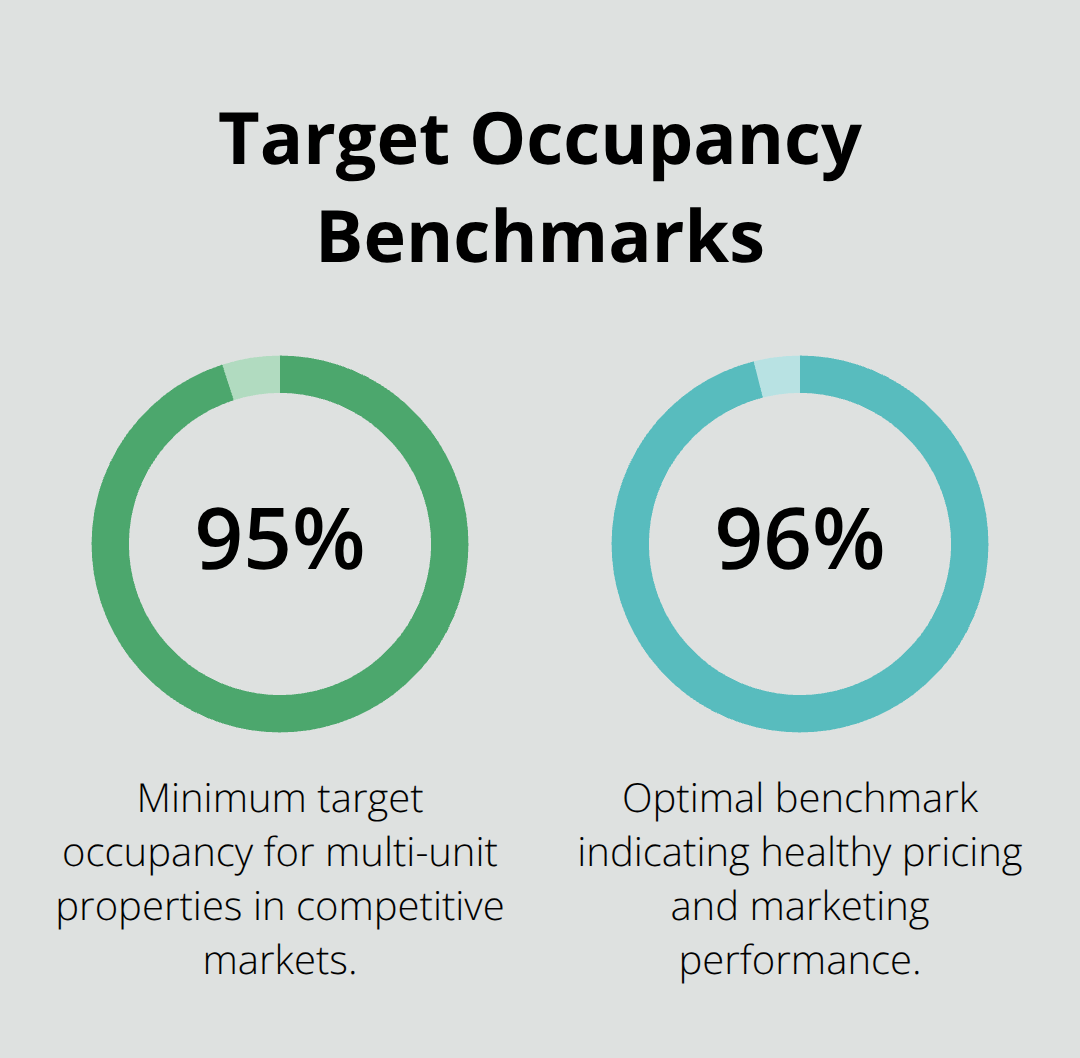
Track occupancy rates religiously. Properties that sit vacant for extended periods hemorrhage money through property taxes, insurance, and maintenance costs with zero income offset. If you manage a multi-unit property, try for occupancy rates of 95 to 96 percent, which industry benchmarks show is standard in competitive markets.
Neglecting these duties exposes you to personal liability and breach-of-fiduciary-duty claims from beneficiaries.
These foundational actions form the backbone of trustee responsibility. The next section walks you through the specific steps that transform oversight from theory into daily practice.
How to Build a Maintenance Schedule That Protects Trust Assets
Creating a maintenance schedule is not optional-it is the foundation of trustee responsibility. Without one, you operate reactively, responding to emergencies instead of preventing them. Start by categorizing maintenance into three tiers: seasonal tasks that occur predictably each year, annual inspections tied to specific systems, and long-term capital projects that require multi-year planning.
Seasonal and Annual Maintenance Tasks
Seasonal maintenance in coastal Monterey County includes pressure-washing salt spray from exterior surfaces and inspecting roof flashing for corrosion; inland properties need fire-risk assessments and vegetation management around structures. Annual tasks target HVAC systems, plumbing, electrical panels, and appliance warranties-neglecting these voids manufacturer coverage and creates liability exposure. Assign specific months to each task and track completion in a centralized log.
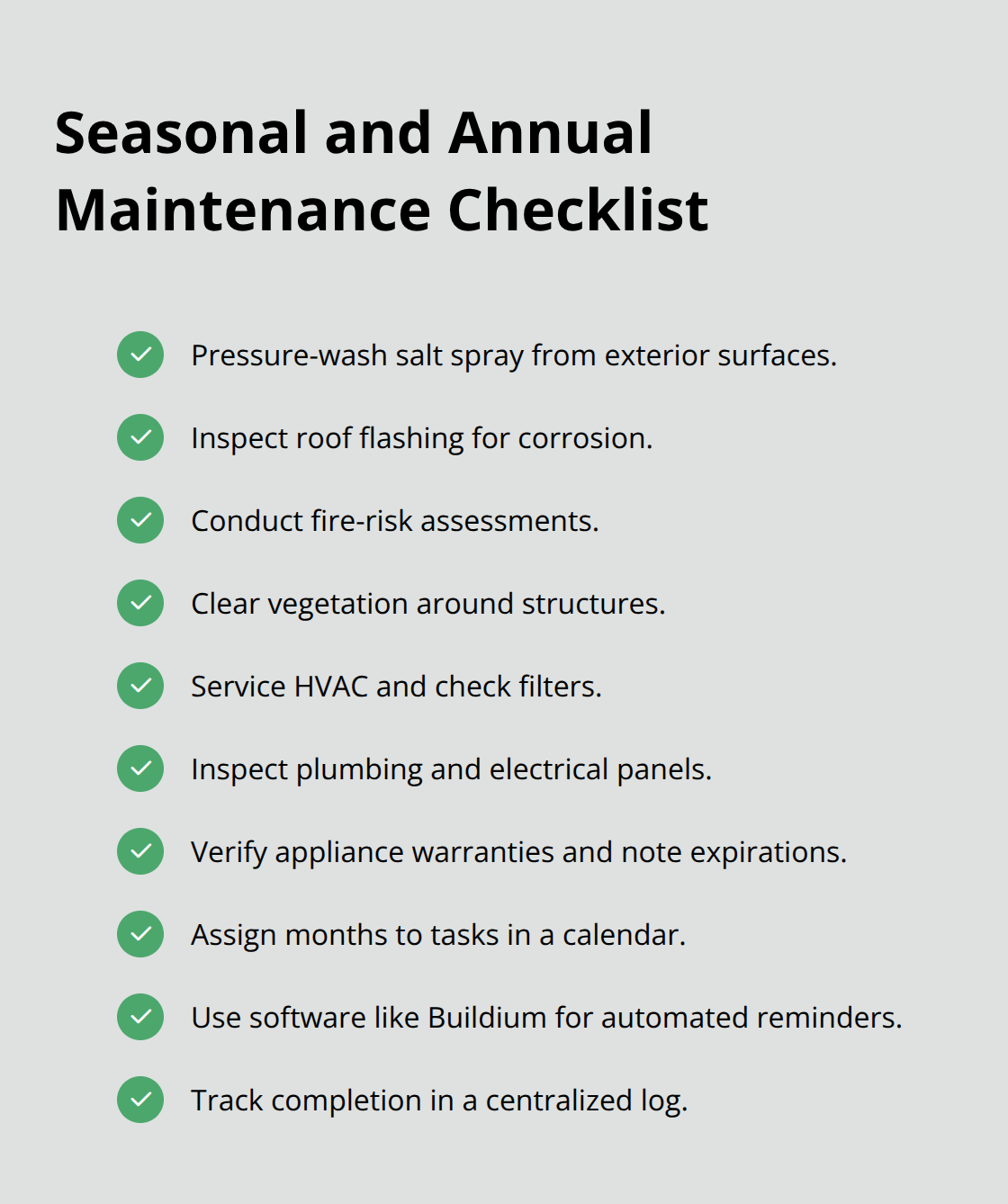
Use a simple spreadsheet or property management software like Buildium to automate reminders and create audit trails. This documentation becomes critical legal protection if beneficiaries challenge your management decisions later.
Long-Term Capital Planning Prevents Surprise Expenses
For capital projects like roof replacement or foundation work, build a rolling five-year plan with cost estimates updated annually. This approach prevents the shock of unexpected major expenses that drain trust assets suddenly. You identify funding needs well in advance and can budget accordingly, protecting beneficiaries from financial surprises.
Documenting Conditions Transforms Oversight Into Evidence
Photographs and written notes from each inspection create an indisputable record of property condition at specific moments in time. Take photos of the roof, exterior walls, foundation, landscaping, and interior systems during each inspection; timestamp them and store them in a secure folder organized by date. Write brief notes describing what you observed: water stains on ceilings, cracks widening since last inspection, or rust forming on metal components. This record proves you identified problems and took action-or demonstrates why action was unnecessary.
When contractors provide repair quotes, attach photos and inspection notes to their estimates; this creates accountability and helps you compare pricing across vendors. If a major system fails and beneficiaries claim negligence, your inspection history shows whether you had reasonable notice of deterioration. The 2026 Property Management Industry Report identifies response time to maintenance requests as a critical metric affecting both tenant satisfaction and property preservation; your documentation system tracks exactly how quickly you acted on each issue. Store all records digitally with backup copies and provide summary reports to co-trustees and beneficiaries quarterly, demonstrating active stewardship.
Tenant Management Requires Clear Agreements and Swift Action
Weak lease agreements create tenant disputes that drain trust assets through legal fees, court costs, and extended vacancies. Your lease must specify rent due dates, late-payment penalties, maintenance responsibilities, and grounds for eviction. Include a clause requiring renter’s insurance to reduce your liability exposure. Implement online rent collection immediately-properties with autopay and digital payment options see significantly higher on-time payment rates than those accepting checks or cash.
Track which tenants pay late and identify patterns; according to the 2026 Property Management Industry Report, rental arrears represent a top financial drain on properties. If a tenant misses rent on the first of the month, send a formal notice within three days, not weeks. Delayed action signals weakness and encourages further non-compliance. Establish an eviction threshold-typically 30 days past due-and follow it consistently. Consult a local real estate attorney about your state’s specific eviction procedures before you need them; attempting eviction without proper legal guidance wastes money and delays resolution.
Occupancy Rates and Lease Renewal Strategy
For multi-unit properties, try for occupancy rates of 95 to 96 percent according to industry benchmarks; vacancy above this rate signals pricing problems or marketing failures. Review lease renewals 90 days before expiration and decide whether to renew, raise rent, or replace the tenant. This proactive approach prevents month-to-month situations where tenants have no incentive to maintain the property or pay on time. With these systems in place, you move from reactive crisis management to strategic asset protection-the shift that separates trustees who preserve trust value from those who watch it erode.
Tax and Legal Obligations for Trust Property Owners
Trust property generates income and expenses that carry specific tax consequences, and trustees who mishandle these obligations expose themselves to penalties, back taxes, and personal liability. The trust itself owes federal income tax on rental income, and beneficiaries receive K-1 distributions showing their share of trust income. You must file Form 1041 annually if the trust has gross income above $600, reporting all rental receipts, maintenance expenses, property taxes, insurance, and depreciation. Many trustees skip this filing or underreport expenses, creating audit risk and unnecessary tax bills that reduce trust value for beneficiaries.
Track Expenses and Classify Them Correctly
You must track every expense meticulously: repairs, maintenance labor, contractor fees, property management costs, utilities, insurance premiums, and property taxes all reduce taxable income. The distinction between repairs (immediately deductible) and capital improvements (depreciated over years) matters significantly. A $5,000 roof patch qualifies as a repair; a $50,000 roof replacement qualifies as a capital improvement depreciated over 27.5 years for residential property. Misclassifying improvements inflates your tax liability and wastes the trust’s tax advantages.
Understand Stepped-Up Basis and Its Impact on Sales
Property held in trust may qualify for stepped-up basis at the trustor’s death, meaning beneficiaries inherit property valued at fair market value on the date of death rather than the original purchase price. This stepped-up basis eliminates capital gains tax on appreciation during the trustor’s lifetime, potentially saving beneficiaries tens of thousands in taxes. However, this benefit applies only if property remains in the trust; selling property during the trustor’s lifetime forfeits the step-up. If the trust owns appreciated property and you consider selling, consult with a tax professional immediately before proceeding.
Manage Liability Insurance and Eviction Procedures
Trustee liability extends beyond taxes into personal exposure for property injuries, tenant disputes, and code violations. You must carry adequate liability insurance naming the trust as additional insured, and you should document that insurance is current before leasing to tenants. Eviction procedures vary dramatically by state; executing an illegal eviction exposes you personally to damages and attorney fees.
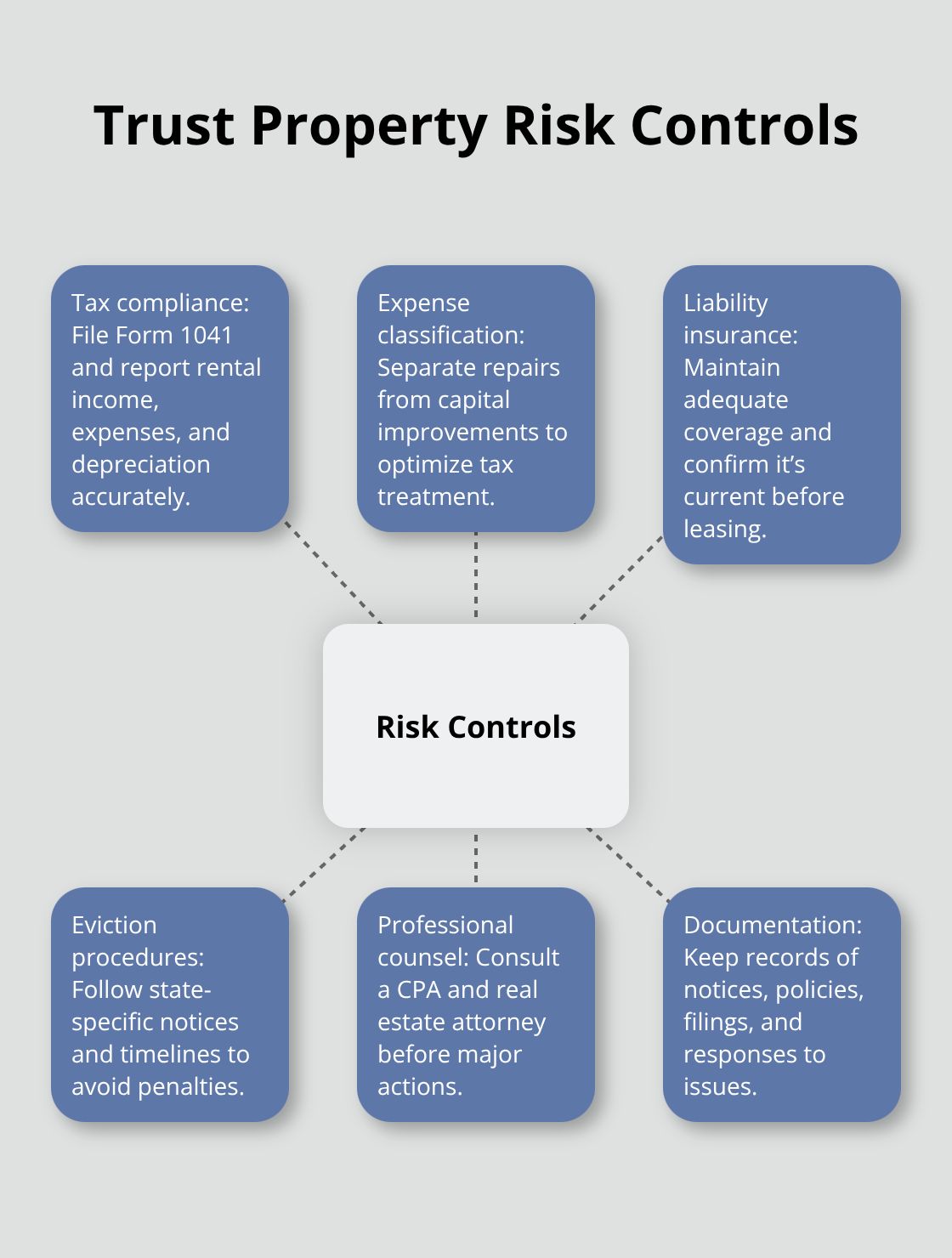
California requires specific notice periods and court involvement; Texas allows faster eviction timelines. Consult a local real estate attorney in your jurisdiction before attempting any eviction, and never skip proper legal procedures to save money.
Obtain Professional Guidance Before Major Actions
The cost of professional advice is minimal compared to the penalties and liability exposure from missteps. Obtain written tax advice from a CPA familiar with trust accounting and legal guidance from an attorney licensed in your state before taking major property actions.
Final Thoughts
Proactive trust property management actions separate trustees who preserve asset value from those who watch it deteriorate. The steps outlined in this guide-regular inspections, documented maintenance schedules, tenant oversight, and tax compliance-form the foundation of responsible stewardship. These actions protect beneficiaries financially and shield you from personal liability when disputes arise. A single missed inspection that allows water damage to spread costs tens of thousands in repairs, while neglected tenant management creates arrears that drain cash flow for months.
Your role as trustee demands more than passive ownership. You must act decisively: schedule inspections before problems escalate, document everything with photos and written notes, enforce lease terms consistently, and track expenses for accurate tax reporting. When you implement these practices systematically, you demonstrate the diligence that courts expect from fiduciaries and that beneficiaries deserve. Improper tax filing triggers audits and penalties that reduce trust distributions, so professional guidance on capital gains treatment and stepped-up basis rules protects both the trust and your personal liability exposure.
Trust property management involves legal complexities and tax implications that vary significantly by state and property type. Eviction procedures differ between California and Texas, and liability exposure extends beyond the property itself to personal claims against you as trustee. Contact Law Offices of Roshni T. Desai to discuss your specific trust property situation and ensure you’re meeting all fiduciary obligations while protecting trust assets for beneficiaries.