




Elder Law Planning Options: Protecting Aging Parents With Strategy
Many families put off planning until a health crisis forces rushed decisions. At Law Offices of Roshni T. Desai, we’ve seen how the right elder law planning options protect both parents and their adult children.
This guide walks through the strategies that matter most: from powers of attorney to Medicaid planning to living trusts. You’ll learn what documents you need, what mistakes to avoid, and how to start conversations with your family today.
Understanding Your Parent’s Legal and Financial Needs
Assess Current Assets and Liabilities
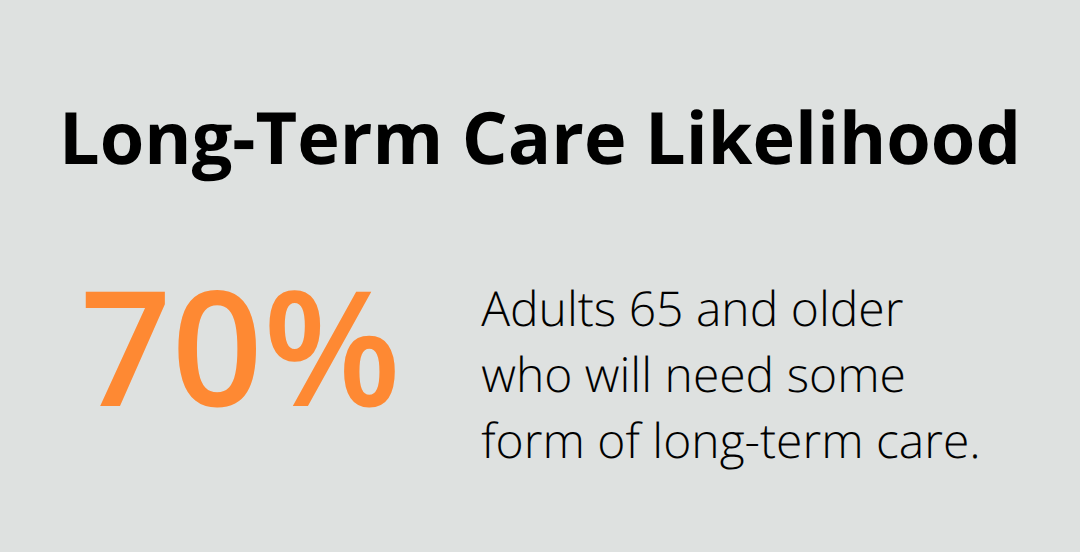
Start by pulling together a complete inventory of what your parents own and owe. List bank accounts, investment portfolios, real estate, vehicles, life insurance policies, retirement accounts, and any business interests. Then add up the debts: mortgages, credit cards, medical bills, and outstanding loans. An estimated 70% of adults 65 and older will need some form of long-term care at some point, and care costs can easily exceed $150,000 per year.
Without knowing your parents’ actual financial position, you cannot make informed decisions about whether Medicaid planning makes sense or how to structure asset protection.
Many families discover during a crisis that a parent has accounts they never knew existed, or worse, that debts have accumulated in ways that complicate everything. Get specific numbers on paper. If your parent has a financial advisor, request a complete account statement. If they manage finances independently, sit down together and go through tax returns from the past two years. This reveals income sources, investment patterns, and whether they made significant gifts or transfers that could affect Medicaid eligibility under the five-year look-back rule.
Identify Health Care Preferences and End-of-Life Wishes
Your parent needs to communicate their medical preferences while they can still think clearly. A living will specifies wishes about life-sustaining treatments in terminal or irreversible unconscious states, guiding healthcare providers when they cannot speak. A medical power of attorney designates a healthcare proxy to make medical decisions on your parent’s behalf when they’re unable to.
The living will provides specific pre-set instructions, while the medical power of attorney grants a trusted person the authority to decide in real-time situations not covered by the living will. State law governs both documents, and requirements vary significantly regarding whether forms are combined or separate, and whether notarization or witnesses are required. Some states allow a single combined document, while others require separate living will and POA forms.
Without proper documentation, disagreements about treatment lead to delays, emotional strain, and costly litigation. Have this conversation now, not in a hospital waiting room. Ask your parent directly: would they want CPR if their heart stopped? Do they want a feeding tube if they cannot eat? What quality of life matters most to them? Write down their answers and then consult an attorney to ensure the documents reflect these preferences legally.
Review Existing Estate Planning Documents
Pull out any existing wills, trusts, powers of attorney, or advance directives your parents created years ago. Many documents become outdated after major life changes like retirement, relocation, remarriage, or significant asset shifts. If your parent created documents more than five years ago, they likely need updating.
Check whether the named executor, trustee, or healthcare agent is still appropriate, still living, and still willing to serve. Verify that the documents actually accomplish what your parent intends. An outdated will that names a deceased child as executor creates immediate problems. A trust that was never funded with assets sits idle and provides no protection. If documents don’t exist at all, that becomes your starting point-and the foundation for the planning strategies that follow.
Building Your Elder Law Protection Plan
Powers of Attorney: The Foundation of Incapacity Planning
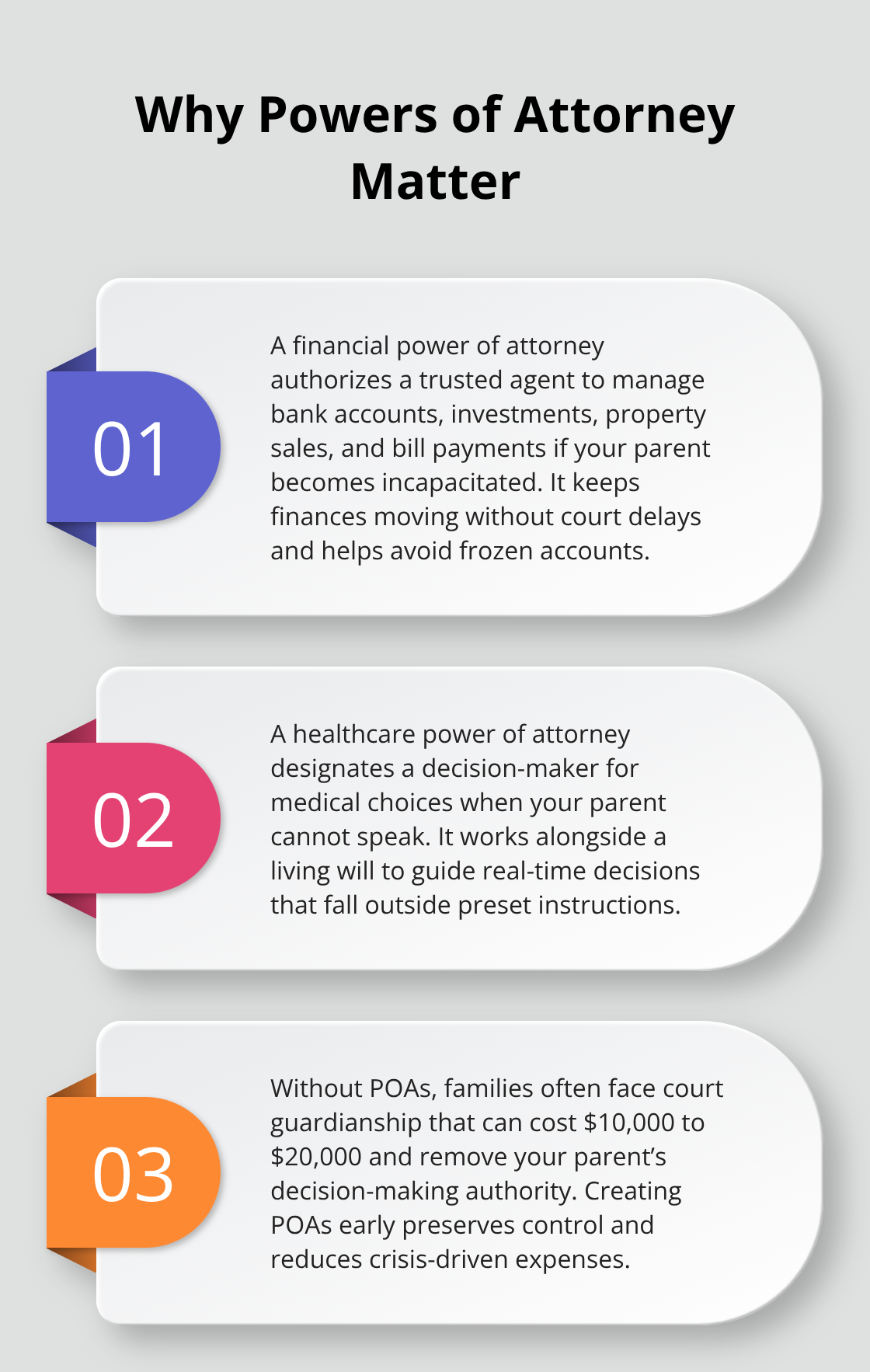
A financial power of attorney and a healthcare power of attorney form the backbone of any elder law strategy, yet most families never create them until a stroke or accident makes it too late. The financial power of attorney lets your parent name someone to handle bank accounts, investments, property sales, and bill payments if they become incapacitated. The healthcare power of attorney designates a trusted person to make medical decisions when your parent cannot. These documents cost far less than a guardianship proceeding, which can run $10,000 to $20,000 and strip your parent of all decision-making authority.
State requirements vary significantly-some states allow combined documents while others require separate forms, and notarization or witness rules differ by jurisdiction. Without these documents in place, a bank freeze or medical crisis forces your family into court, creating delays while bills pile up and treatment decisions hang in limbo.
Create both documents now while your parent can sign them and clearly state their wishes.
Living Trusts and Probate Avoidance
Living trusts offer a practical path to avoid probate and keep your parent’s financial affairs private after death. A revocable living trust holds assets during your parent’s lifetime and transfers them automatically to beneficiaries without court involvement, saving months of time and thousands in probate fees. This structure protects privacy because trust documents remain confidential, unlike wills which become public record after probate.
Medicaid Planning and Asset Preservation Strategies
Annual long-term care costs can easily exceed $150,000 per year, making asset preservation critical. The Community Spouse Resource Allowance allows a healthy spouse to retain up to $162,660 in assets in 2026 while the applicant faces strict limits, typically $2,000 in countable assets depending on state rules. Medicaid uses a five-year look-back period for asset transfers before eligibility, though California phases in a 30-month look-back starting January 1, 2026.
Strategic planning tools convert assets into protected forms. Medicaid Compliant Annuities convert countable assets into non-countable income for the healthy spouse, though these remain unavailable in all states. Spend-down strategies let families use funds for medically necessary items or home improvements while avoiding gifting penalties. Lady Bird Deeds shield a home from Medicaid Estate Recovery by transferring it to beneficiaries upon death, and they remain relatively inexpensive where available.
Home Protection Through Family Transfers
The Child Caregiver Exception and Sibling Exception allow homes to transfer to family members under specific conditions if timing and documentation align with state rules. These exceptions require careful planning well in advance-waiting until your parent enters a nursing home eliminates most options. Families that act early can structure these transfers to protect home equity while maintaining Medicaid eligibility when care becomes necessary.
The strategies outlined here require coordination across multiple documents and careful attention to state-specific rules. Getting this right from the start prevents costly mistakes later. The next section covers the common pitfalls families encounter when they delay planning or fail to communicate their wishes to those who will carry them out.
Common Mistakes Families Make in Elder Care Planning
The Cost of Waiting Until Crisis Strikes
The gap between knowing you need a plan and actually executing one costs families dearly. Waiting until a stroke, heart attack, or diagnosis forces action means making decisions under pressure with incomplete information. At that point, your parent cannot sign documents, banks freeze accounts pending guardianship proceedings that cost $10,000 to $20,000, and Medicaid planning becomes nearly impossible because the five-year look-back period has already started. Families scramble to fix problems that proper advance planning would have prevented entirely. The cost of inaction far exceeds the modest expense of creating powers of attorney, updating a will, or consulting on Medicaid strategies while time remains on your side.
Families who delay until crisis hits often face impossible choices: spend down life savings rapidly to cover care costs, lose the family home to Medicaid Estate Recovery, or watch assets vanish that could have been protected with straightforward planning executed years earlier. The American Council on Aging reports that annual long-term care costs exceed $150,000 per year, making the financial stakes enormous. One year of delay removes one year of protection under Medicaid’s five-year look-back period, directly reducing your ability to shield assets later. Starting now, even with imperfect information, beats waiting for the perfect moment that never arrives.
Outdated Documents Create Immediate Chaos
Documents created five or ten years ago sit in drawers gathering dust while your parent’s life transforms completely. A will naming a deceased child as executor creates immediate chaos. A trust that was never actually funded with real assets provides zero protection. A financial power of attorney that names a sibling living three states away becomes useless when your parent needs someone to handle bills today.
Major life changes demand document updates: retirement shifts income sources and asset allocation, relocation to a new state changes which estate laws apply, remarriage creates new beneficiary questions, and significant wealth changes alter whether Medicaid planning makes sense. Your parent’s documents must reflect current circumstances, not decisions made a decade ago under completely different conditions.
Family Communication Failures Leave Everyone Unprepared
Many families never tell each other what documents exist, where they are stored, or what the actual wishes are. When a parent becomes incapacitated, adult children discover conflicting versions of what mom wanted, argue over who should make decisions, and waste months in family tension while medical and financial matters hang unresolved. The designated healthcare agent often does not know whether their parent wanted CPR, feeding tubes, or comfort care only. The named executor has no idea where documents are kept or what assets exist.
Starting conversations now, while everyone is healthy and thinking clearly, prevents these disasters.
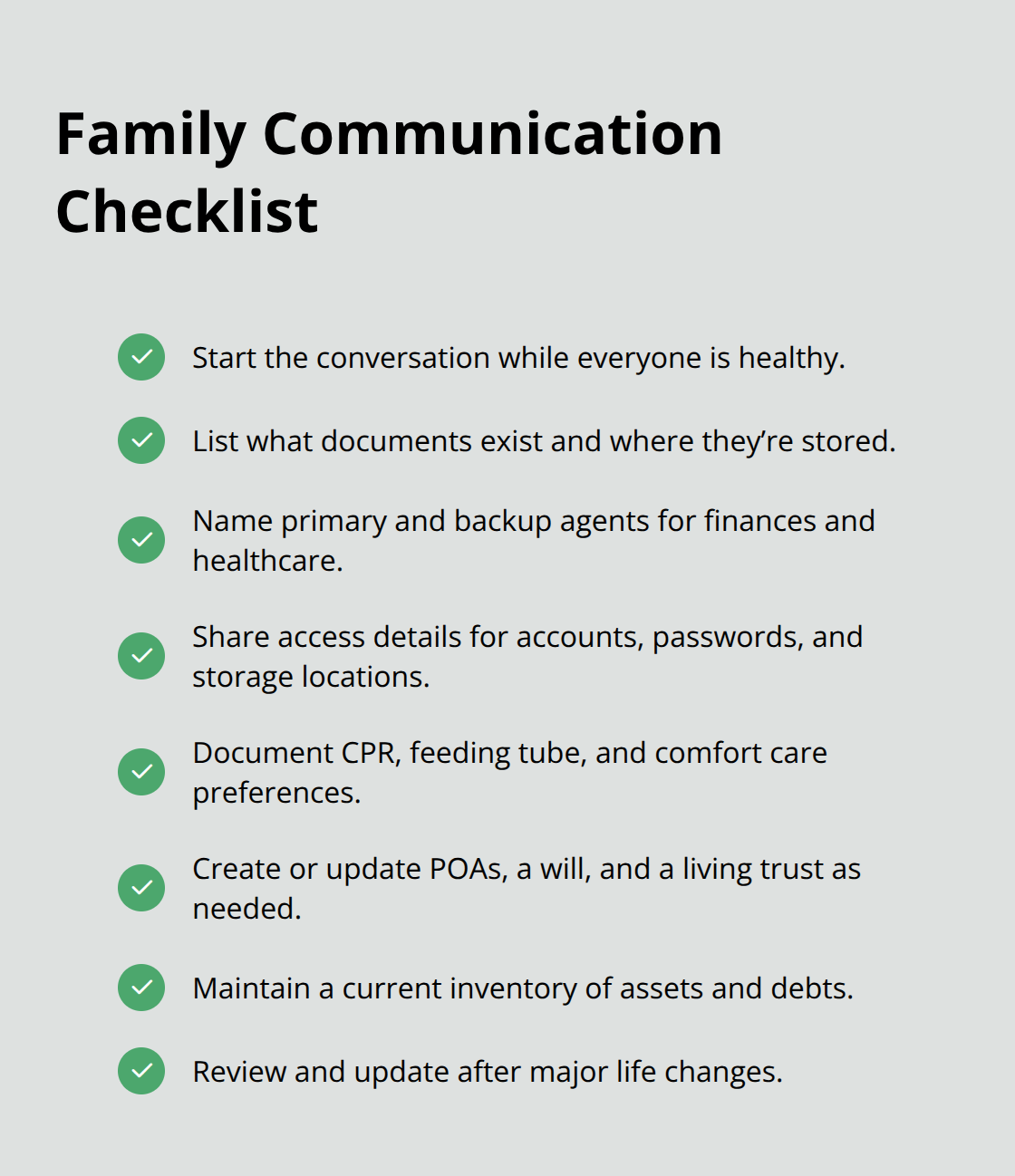
Sit down together with a calendar and a notepad. Walk through what assets exist. Discuss who should make decisions if one parent becomes incapacitated. Ask directly about end-of-life preferences. Write down the answers. Then schedule a consultation to transform those conversations into legally binding documents that actually protect your family when crisis arrives.
Final Thoughts
Elder law planning options protect your parents and your family from financial devastation and emotional chaos. The steps outlined here-assessing assets, documenting healthcare wishes, creating powers of attorney, and exploring Medicaid strategies-form a complete foundation for aging parents who want to preserve their legacy and maintain control over their care decisions. Starting now matters far more than waiting for perfect circumstances, since every year you delay removes protection under Medicaid’s five-year look-back period.
The financial stakes are real and substantial. Annual long-term care costs exceed $150,000 per year, and an estimated 70% of adults 65 and older will need some form of long-term care at some point in their lives. Without planning, families watch life savings disappear to care costs that proper Medicaid strategies could have minimized, while comprehensive planning protects assets and preserves your parent’s dignity when medical crises arrive.
Contact us at Law Offices of Roshni T. Desai to transform your family’s elder law planning from worry into action. We offer free consultations with flexible home or office visits, making it easy to start the conversation without pressure or cost.