




Southern California probate administration: What You Need to Know
Probate administration in Southern California involves navigating court requirements, managing assets, and handling tax obligations-all while dealing with tight deadlines. The process can feel overwhelming, especially when family disagreements arise or unexpected delays occur.
We at Law Offices of Roshni T. Desai help families understand their options and move through probate smoothly. This guide covers what you need to know to protect your estate and streamline the process.
What Probate Administration Involves in Southern California
Filing Requirements and Court Procedures
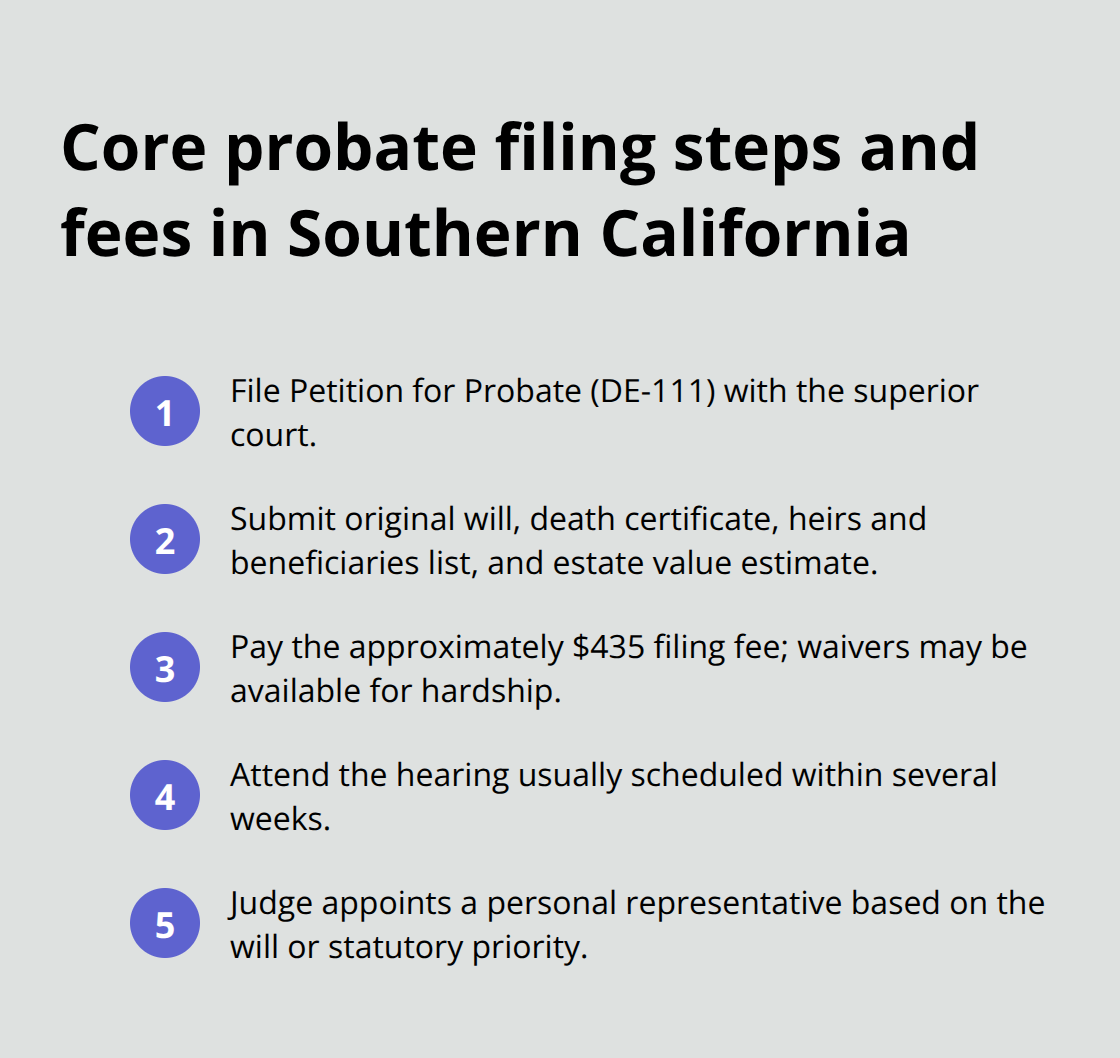
Probate administration in Southern California requires filing specific documents with the superior court in the county where the decedent lived. You must file a Petition for Probate (DE-111) along with the original will, death certificate, a list of heirs and beneficiaries, and an estimate of the estate’s total value. The filing fee to open probate is approximately $435, though fee waivers are available for financial hardship, with costs recoverable from the estate later. The court then schedules a hearing, usually within several weeks, where a judge appoints a personal representative-either the executor named in the will or an administrator chosen by the court based on priority (surviving spouse first, then children, grandchildren, parents, or siblings).
Authority and Fiduciary Duties
The appointment gives the personal representative legal authority to act on behalf of the estate and imposes fiduciary duties to manage assets faithfully. After appointment, the personal representative must notify known creditors using a Notice of Administration to Creditors form (DE-157) and publish a notice in a newspaper of general circulation. Newspaper publication costs are reimbursable from the estate. The personal representative then inventories all probate assets and files an Inventory and Appraisal (DE-160) with the court within four months-a deadline that many overlook. For non-cash assets like real estate or business interests, a probate referee may appraise the property, and those fees also come from estate funds.
Timeline and Complexity in Southern California
Southern California estates frequently involve high-value real estate, entertainment-industry wealth, and blended families, which increases the risk of disputes and complexity. Formal probate typically takes 9 to 18 months depending on asset size, family conflict, and court scheduling, though some cases extend longer. During administration, the personal representative must pay debts, funeral expenses, and taxes from estate funds; if cash is insufficient, assets may need to be sold. The personal representative files reports with the court annually, and at the end of administration, files a final accounting and petition for final distribution.
Cost Structure and Attorney Fees
The court must approve the final distribution before assets pass to beneficiaries. Attorney fees for the personal representative are typically a statutory percentage of the gross estate value under Probate Code Section 10810, plus additional fees if litigation arises. Small estates under $208,850 in personal property or $750,000 for a decedent’s primary residence (as of April 1, 2025) may qualify for streamlined procedures via a small-estate affidavit, bypassing formal probate entirely-a significant advantage worth confirming early.
Streamlined Options Worth Exploring
Confirming whether your estate qualifies for a streamlined path can save months and substantial costs. Many families discover too late that their estate could have avoided formal probate altogether. The next section covers the specific challenges that arise during probate administration and how to address them proactively.
Common Challenges During Probate Administration
Family Disputes Over Asset Distribution
Family conflicts over asset distribution represent the single largest cause of probate delays in Southern California. Disputes frequently arise over will validity, claims of undue influence on elderly grantors, and allegations of lack of capacity-issues that can paralyze the entire administration process. When one beneficiary challenges the personal representative’s decisions or questions whether the decedent had sound mind when signing documents, the court must intervene, triggering litigation that stretches timelines from 12 to 18 months into years.
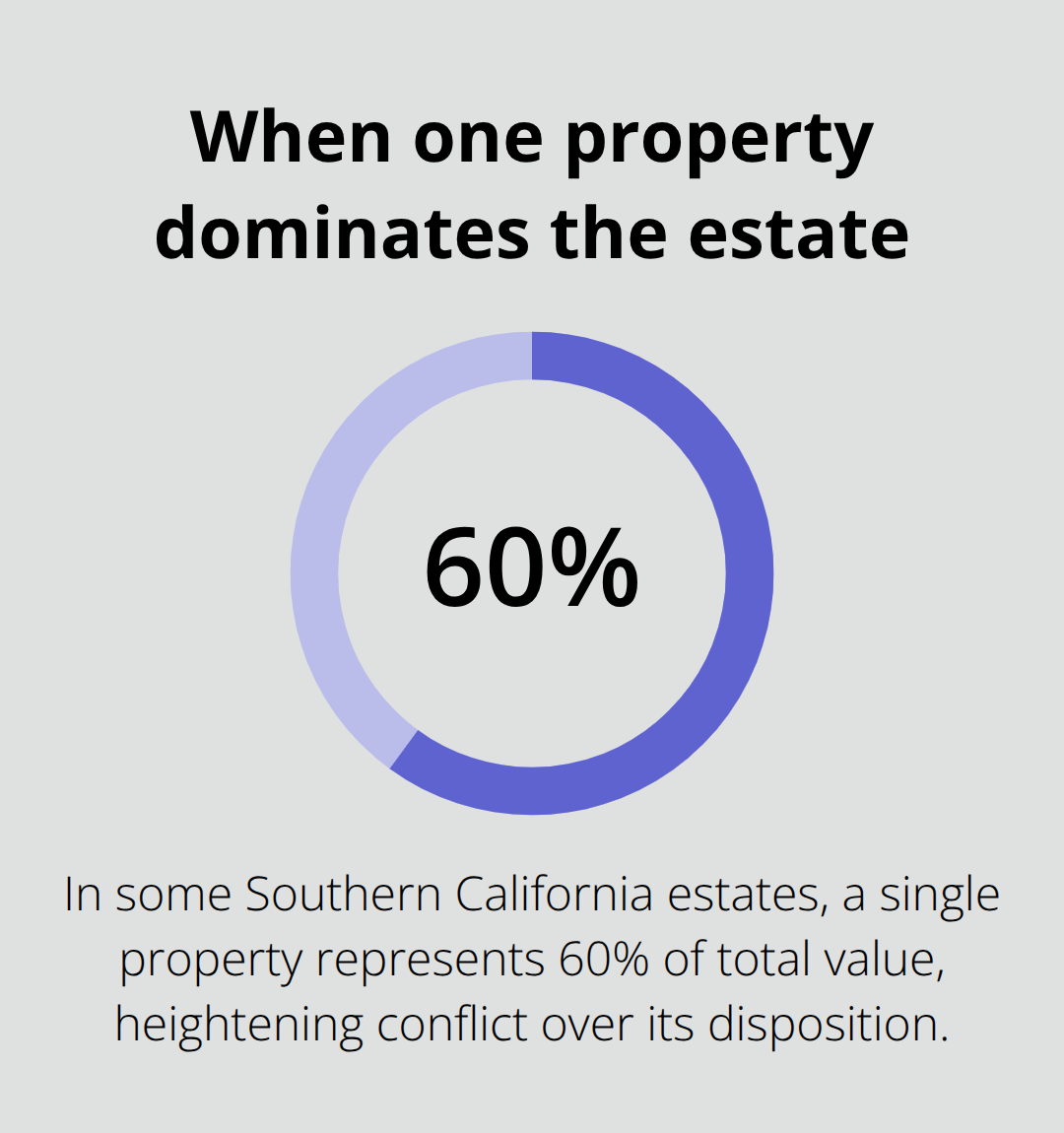
Blended families and second marriages intensify these tensions. A surviving spouse may clash with adult children from a prior relationship over asset division, creating deadlock that requires court orders to resolve. High-value Southern California real estate compounds the problem-when a single property represents 60 percent of estate value, beneficiaries fight harder over its disposition. Once litigation begins, attorney fees escalate dramatically beyond the statutory percentage, often consuming tens of thousands of dollars from the estate itself.
Tax Obligations and Creditor Claims
Tax obligations and creditor claims add another layer of complexity that personal representatives frequently underestimate. The personal representative must file a final income tax return for the decedent and potentially an estate tax return if the estate earned income during administration. Many overlook these deadlines, triggering penalties and interest charges paid from estate funds.
Creditors have a statutory window to file claims under California Probate Code Section 8120. If the personal representative fails to publish proper notice in a newspaper of general circulation, unknown creditors can emerge years later with valid claims against the estate. Debts, funeral expenses, and administrative costs must be paid before any distributions occur, and if liquid assets run short, the personal representative may need to sell real estate or other holdings at unfavorable prices and terms.
Preventing Costly Mistakes Early
Personal representatives should create a detailed budget early, list all known debts, and consult with a tax professional before taking action. These steps prevent costly mistakes and demonstrate faithful fiduciary management to the court and beneficiaries alike. The next section addresses practical strategies to streamline your probate process and avoid these common pitfalls.
How to Streamline Your Probate Process
Organize Documents and Property Records First
The fastest way to avoid probate delays is to organize your documents and property records before filing. Create a master inventory that lists all assets, their current ownership structure, approximate values, and location of title documents. This single document becomes your roadmap throughout administration. Many personal representatives waste months searching for bank statements, property deeds, and investment account information scattered across multiple locations.
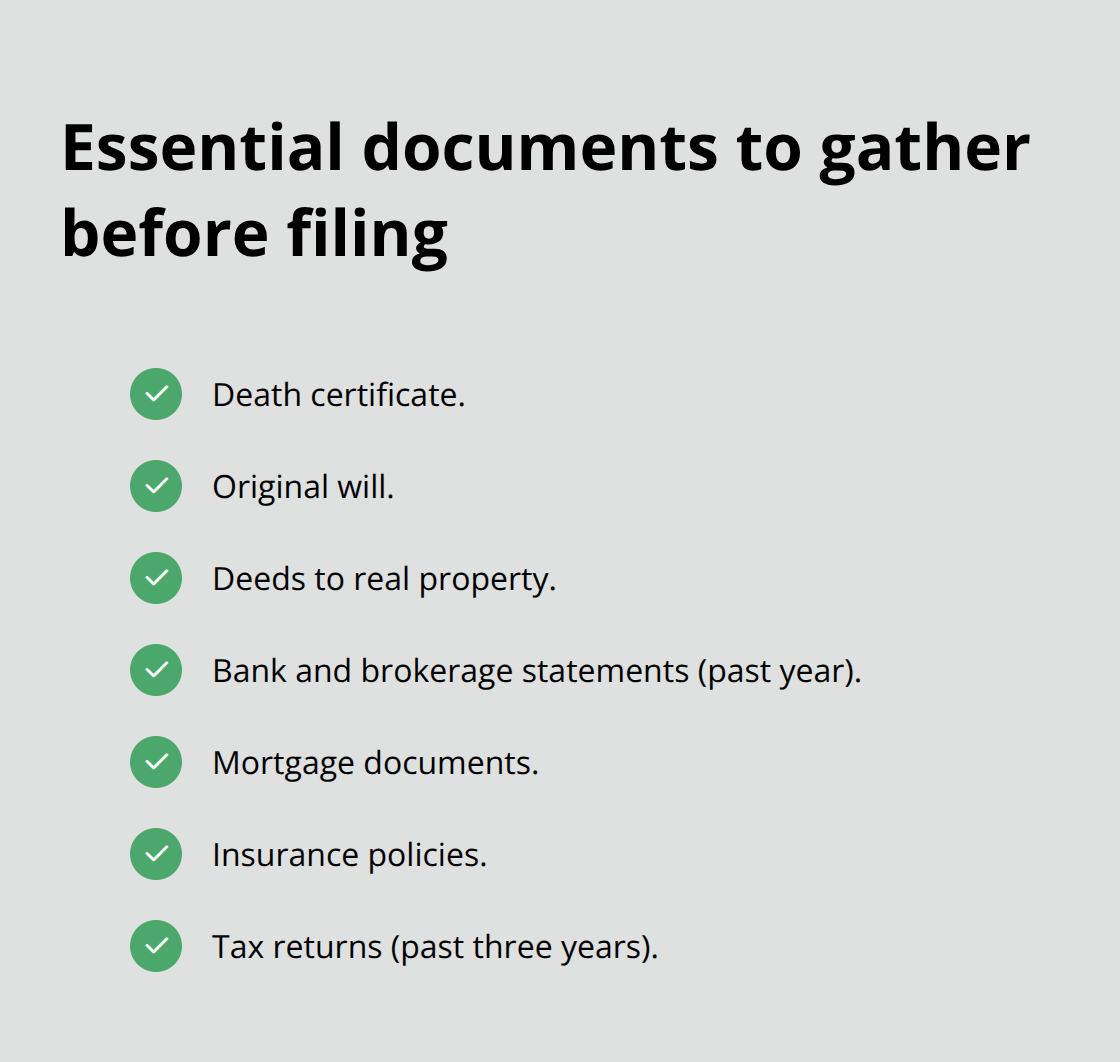
Start by gathering the death certificate, the original will, deeds to real property, bank and brokerage statements from the past year, mortgage documents, insurance policies, and tax returns for the past three years. Create a spreadsheet with asset name, account number, institution, estimated value, and document location. This preparation typically cuts three to four months off the overall timeline because the personal representative can file the Inventory and Appraisal form DE-160 within the required four-month deadline without scrambling for missing records.
Handle High-Value Assets With Care
Southern California estates with multiple properties or business interests demand meticulous documentation to satisfy court requirements and prevent creditor disputes. High-value real estate and complex asset structures require careful attention during the inventory phase. The personal representative must account for each property’s current title status, any liens or mortgages, and fair market value as of the decedent’s death date. Probate referees appraise non-cash assets, and their fees come from estate funds, so accurate initial documentation prevents unnecessary re-appraisals that delay the process.
For property sales during probate, probate realty closing assistance can help navigate transactions smoothly and avoid delays that extend the overall timeline.
Address Tax Obligations Immediately
Addressing estate taxes immediately separates competent administration from chaotic ones. The personal representative must file a final income tax return for the decedent and potentially an estate income tax return if the estate earned income during administration. These deadlines are strict, and missing them triggers penalties and interest paid from estate funds. Consult a tax professional before making any distributions to beneficiaries, because distributing assets before tax obligations are settled can create personal liability for the executor.
Many probate delays stem from unexpected tax bills that appear after distributions have already occurred, forcing clawback demands on beneficiaries. The personal representative should contact all known creditors directly rather than relying solely on newspaper publication. California Probate Code Section 8120 requires notice to known creditors, and proactive outreach prevents surprise claims from emerging after the probate period closes.
Coordinate Professional Resources Effectively
Southern California probate cases that skip direct creditor outreach routinely face post-closing creditor actions that reopen the estate and generate additional attorney fees. Working with professionals who understand both probate administration and tax obligations-rather than juggling separate advisors-accelerates the process and reduces coordination errors that extend timelines beyond the typical 9 to 18 months. The personal representative should establish a timeline for each major task (inventory filing, tax return deadlines, creditor notice periods) and track progress against court-imposed deadlines to maintain momentum throughout administration.
Final Thoughts
Southern California probate administration demands careful planning, organized documentation, and timely action at every stage. The process involves court filings, asset inventories, creditor notifications, and tax obligations that overlap in ways that catch unprepared personal representatives off guard. Missing a single deadline or overlooking a creditor notice extends your timeline by months and drains thousands of dollars from the estate in unnecessary fees and penalties.
The most successful probate administrations share three traits: early organization of documents and property records, proactive tax planning before distributions occur, and coordination with professionals who understand both probate law and Southern California’s unique asset landscape. Personal representatives who tackle these elements upfront typically complete administration within the standard 9 to 18 month window rather than facing extended timelines and family conflicts that plague disorganized cases. High-value real estate, blended families, and complex asset structures are common in Southern California estates and require more than generic probate guidance.
If you’re facing probate administration or want to plan ahead to avoid it, contact Law Offices of Roshni T. Desai for a free consultation. We offer flexible home or office visits to discuss your specific situation and outline a clear path forward.