



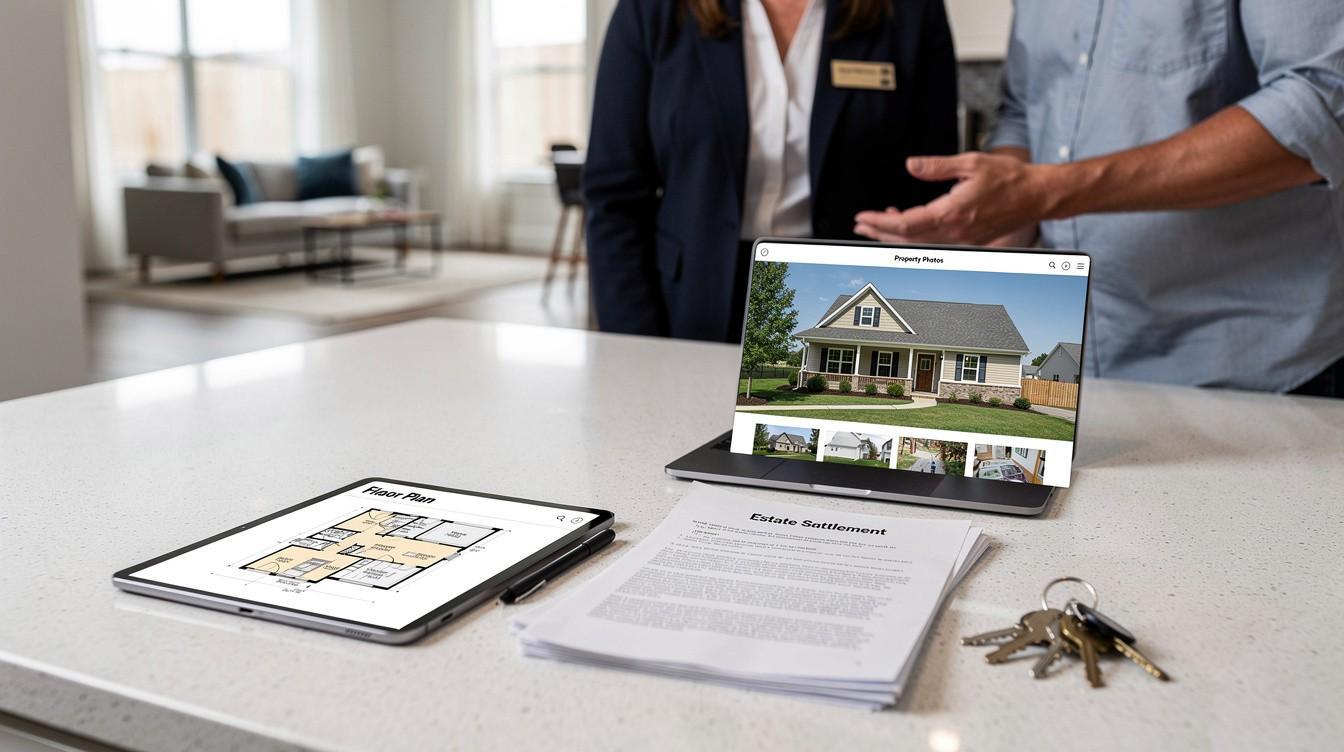
Probate real estate sales: Selling Estate Property Efficiently
Selling property from an estate involves more moving parts than a standard home sale. Court approvals, multiple heirs, and property repairs all extend the timeline significantly.
We at Law Offices of Roshni T. Desai help families navigate probate real estate sales with a clear strategy. The right approach cuts months off the process and reduces unnecessary expenses.
Why Estate Property Sales Take Much Longer
Court approval creates the first major delay
Court approval stands as the primary barrier extending probate sales timelines. Until a personal representative receives formal court appointment, nobody has legal authority to list or sell the property. This appointment process alone typically spans two to eight weeks, depending on court backlogs and whether the will is uncontested. Once appointed, the personal representative must obtain court authorization before accepting any offer, which adds another layer of delay. In California, the probate court supervises these transactions to protect beneficiaries’ interests, meaning even straightforward sales require judicial review. Florida follows a similar framework, with formal probate typically demanding attorney involvement under Florida Probate Rule 5.030(a) to maintain compliance throughout the process. The personal representative cannot sign closing documents or transfer title without this court-approved authority, which creates a hard stop that no amount of marketing speed can overcome. The entire probate sale process typically takes 6 to 12 months from court approval to final closing, a timeline most families underestimate when expecting to close within 30 to 45 days as they would in a standard sale.
Multiple decision-makers complicate consensus
When multiple heirs or beneficiaries hold interests in the property, achieving consensus becomes exponentially harder. Each beneficiary may have different priorities: one wants a quick sale to access funds, another believes the market will appreciate, and a third needs time to decide whether to buy out siblings’ shares. The personal representative must navigate these competing interests while acting in everyone’s best interest under law.
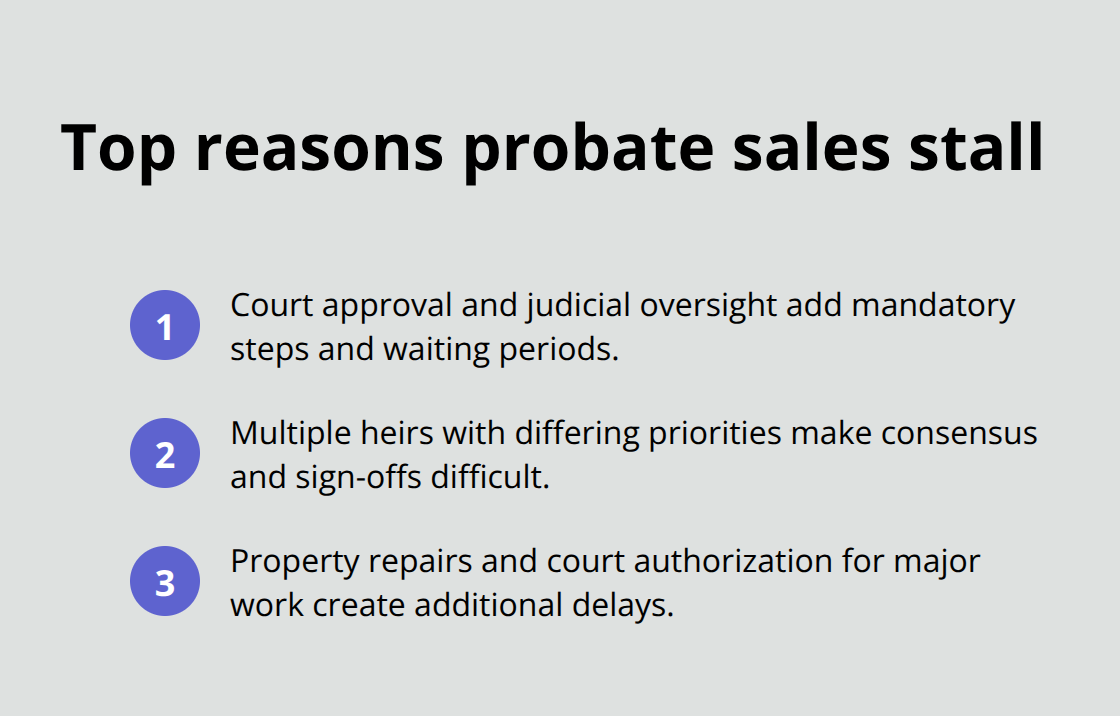
Missing a single beneficiary’s consent on the sale petition can trigger a court hearing and add weeks to the timeline. Coordination gaps between legal and real estate teams create unnecessary delays and frustration for families, particularly when decision-makers lack clear communication channels. Properties with unclear ownership chains or disputed wills create additional friction, sometimes requiring mediation before any sale can proceed. Unlike a standard home sale where one owner makes decisions, probate sales demand coordination among multiple parties with varying financial motivations.
Property condition reveals unexpected obstacles
Estate properties frequently require repairs that standard homes don’t. Years of deferred maintenance, tenant damage, or simply age-related deterioration emerge during inspections. The personal representative cannot sell a property in poor condition without court approval for repairs, and obtaining authorization for major work adds time and expense. Buyers increasingly demand inspections before committing, and discovering foundation issues, roof damage, or code violations late in the process derails deals entirely. A property sale that takes eight months instead of four costs thousands more in holding expenses, property taxes, insurance, and maintenance, making swift resolution financially critical. These property challenges intersect with court delays and multiple decision-makers, creating a complex environment where strategic planning becomes essential to move forward efficiently.
How to Speed Up an Estate Property Sale
Timing matters more in probate sales than most families realize. A property that sits on the market for eight months instead of four drains tens of thousands in holding costs, property taxes, insurance, and maintenance. The gap between slow and fast probate sales often comes down to three concrete decisions made before listing begins. The right price prevents months of failed negotiations and relisting. Repairs handled upfront remove the inspection surprises that kill deals late in the process. A team that understands probate mechanics eliminates the back-and-forth coordination that plagues most estate sales. These aren’t optional steps-they’re the difference between a six-month sale and a twelve-month ordeal.
Price the property based on real market data
Start with pricing rooted in actual market data, not wishful thinking. Pull comparable sales from the last 90 days in your specific neighborhood, not countywide averages that mask local variations. A property priced 8 to 12 percent above comparable sales sits unsold for months while the personal representative waits for offers that never materialize, then relists at a lower price anyway, signaling weakness to buyers. Try pricing 5 to 7 percent below comparable sales to generate multiple offers within two weeks and create bidding momentum that pushes the final sale price higher than it would have been with the inflated initial ask. Appraisals matter in probate: estates valued at $600,000 or more typically require a professional appraisal or broker price opinion to justify the listing price to the court and beneficiaries.
Address repairs before accepting offers
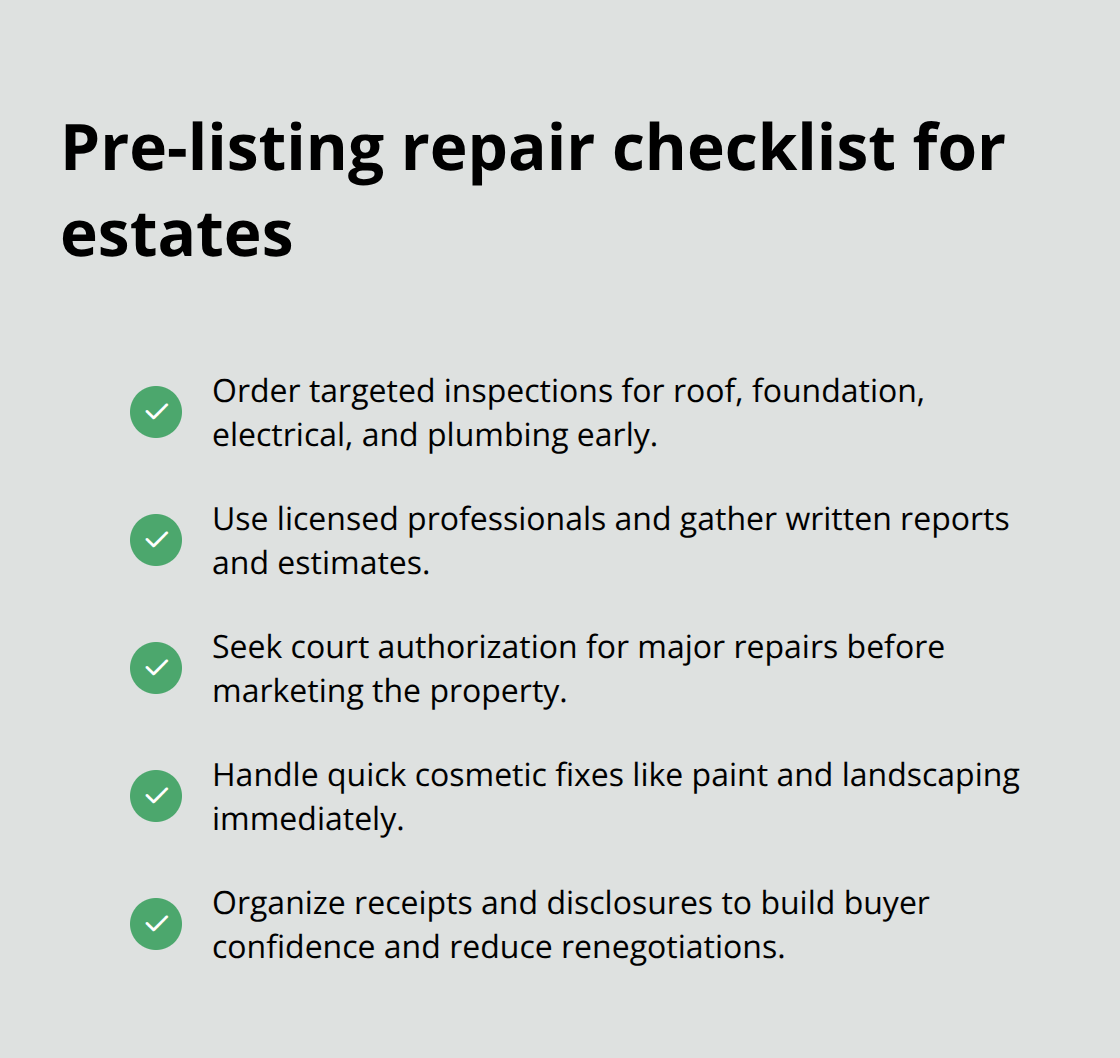
Handle repairs before accepting offers, not after. A roof inspection costing $500 upfront prevents a $12,000 negotiation nightmare when the buyer’s inspector discovers damage. Foundation issues, electrical code violations, and plumbing problems discovered during buyer inspections crater deals because the personal representative must then petition the court for repair authorization-a process adding four to six weeks. Licensed professionals should inspect major systems before marketing; minor cosmetic issues like paint and landscaping should be addressed immediately. Properties in poor condition sell for 15 to 25 percent less than comparable homes in good repair, making the upfront investment in fixes financially sensible.
Coordinate legal and real estate services
Work with someone who understands both probate law and real estate transactions. Ms. Desai at Law Offices of Roshni T. Desai holds dual licensure as an attorney and real estate professional, meaning one person coordinates court filings, beneficiary communications, and property marketing without the coordination gaps that extend timelines. This dual approach eliminates the delays created when separate attorneys and realtors operate in silos, each waiting on the other before proceeding. The personal representative knows exactly who to contact, when decisions are needed, and what court requirements must be met before accepting an offer. This streamlined communication structure compresses timelines by weeks and reduces the miscommunications that derail sales. When you’re ready to move forward with your estate property sale, the right team makes all the difference in how quickly and efficiently the transaction closes.
How to Handle Legal and Real Estate Coordination
Separation creates coordination failures
Separating probate legal work from real estate transactions creates the coordination failures that extend timelines by months. When an attorney handles court filings while a separate realtor markets the property, neither professional sees the full picture. The attorney files a petition to sell without knowing the realtor has already received three offers, or the realtor accepts an offer contingent on inspection while the attorney hasn’t yet obtained court authorization. These gaps cost time and money.
Unified approach compresses timelines
A single professional managing both probate administration and real estate transactions eliminates these coordination problems. Ms. Desai at Law Offices of Roshni T. Desai holds dual licensure as an attorney and real estate professional, which means court filings, beneficiary communications, and property marketing operate on the same timeline with one decision-maker coordinating everything. The personal representative knows exactly when court approval will be ready, what price range the market supports, and which repairs must be completed before listing. This unified approach compresses what typically takes 9 to 12 months into a faster, more predictable process.
Court documentation requires legal precision
Court documentation demands precision that most real estate professionals lack. The personal representative must file a Petition for Authorization to Sell with supporting appraisals or broker price opinions, attach beneficiary consents, and respond to any objections raised by the court or beneficiaries. Missing a single required document delays the entire petition, and resubmitting takes another 2 to 4 weeks. Property inspections, appraisals, and title work must align with court timelines, not standard real estate timelines.
Synchronized processes eliminate conflicts
When one professional manages both tracks simultaneously, appraisals are ordered before the petition is filed, title issues are identified and resolved before marketing begins, and inspection contingencies in purchase agreements match court approval timelines rather than conflicting with them. The cost savings come from avoiding redundant work: one person coordinates all documentation instead of an attorney and realtor duplicating efforts and creating confusion about who handles what. Beneficiaries receive clear updates from a single contact rather than conflicting information from multiple professionals.
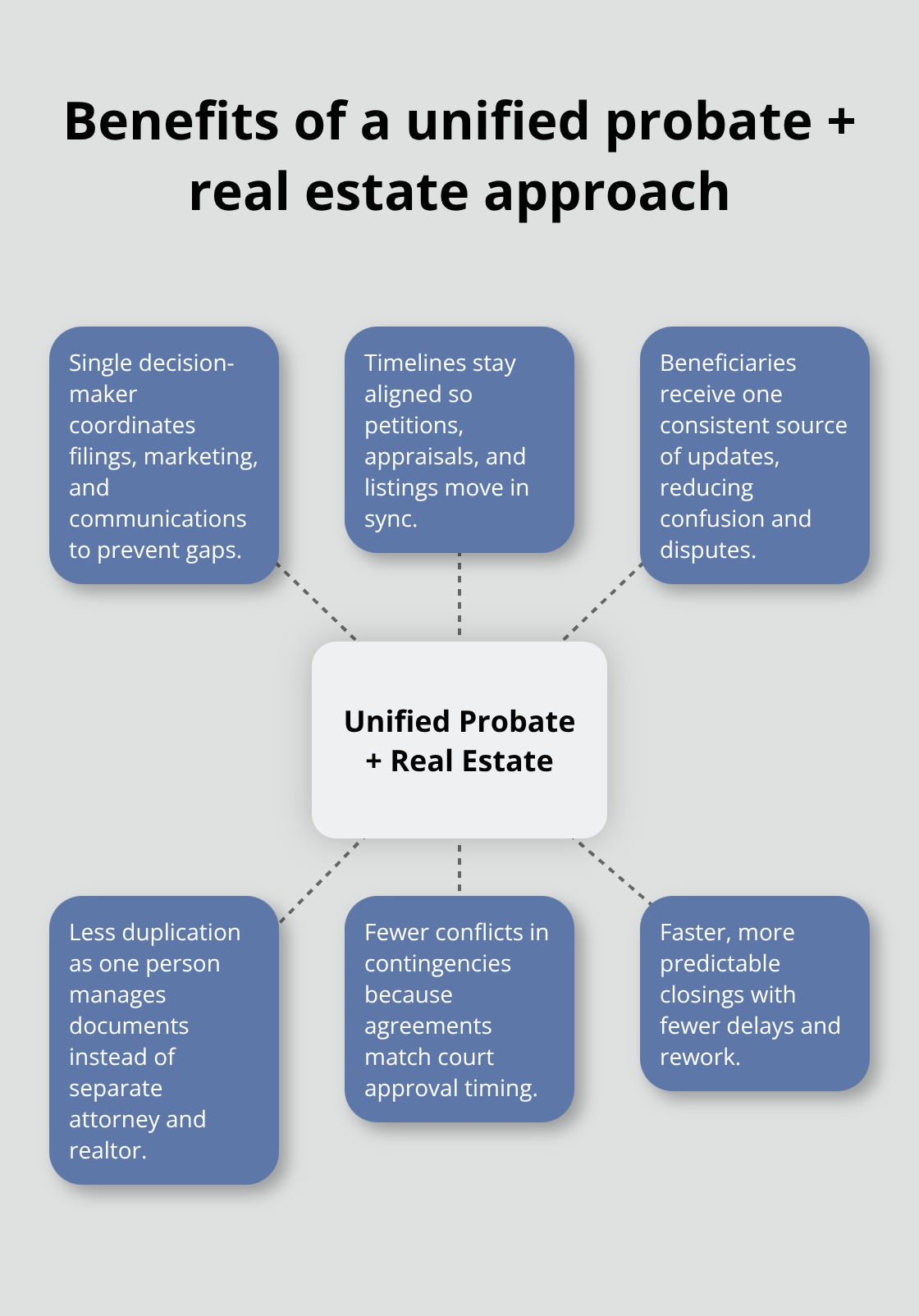
The personal representative spends less time managing competing demands and more time focused on closing the sale efficiently.
Final Thoughts
Probate real estate sales demand knowledge that extends far beyond standard real estate transactions. Court procedures, beneficiary coordination, and property-specific challenges require someone who understands both legal requirements and market realities. Most families lose months to coordination gaps between attorneys and realtors, each operating independently without full visibility into the other’s work, and holding expenses, property taxes, insurance, and maintenance drain thousands monthly while the sale stalls.
The right team compresses timelines and reduces expenses by eliminating redundancy and miscommunication. When one professional manages both probate administration and real estate transactions, decisions move faster, documentation stays aligned with court requirements, and beneficiaries receive consistent information from a single contact. Ms. Desai at Law Offices of Roshni T. Desai holds dual licensure as an attorney and real estate professional, which means your estate property sale benefits from integrated legal and market knowledge across Southern California’s local court procedures and market conditions.
Law Offices of Roshni T. Desai provides personalized estate planning and probate services including trust administration, powers of attorney, and property transactions tailored to your situation. The firm offers free consultations with flexible home or office visits, making it easy to discuss your probate real estate sales without unnecessary barriers. Contact Law Offices of Roshni T. Desai to start moving your sale forward with a team that understands both the legal and financial realities of estate property transactions.