




SoCal Probate Real Estate: Navigating Property in Probate
Selling property through probate in Southern California involves legal hurdles, timing pressures, and financial complexities that most homeowners don’t anticipate. Title delays, court approvals, and competing heir claims can stall sales for months or derail them entirely.
We at Law Offices of Roshni T. Desai help families navigate SoCal probate real estate transactions by combining legal knowledge with real estate insight. This guide covers the obstacles you’ll face and the practical steps to move forward efficiently.
Common Issues When Selling Probate Property in Southern California
Title defects plague probate sales far more than standard real estate transactions. When someone dies, their property title may carry hidden liens, unpaid taxes, or claims from unknown creditors that surface only during probate proceedings. A thorough title search often reveals judgment liens from old lawsuits, contractor claims, or federal tax liens that must be resolved before any buyer will close. The probate court won’t approve a sale until these encumbrances are cleared, and clearing them takes time. For a $500,000 property, resolving title issues can add 2–4 months to your timeline alone.
Competing Heir Claims Derail Sales
Competing heir claims complicate probate sales significantly. California Probate Code requires the court to approve any sale before marketing begins, but if multiple beneficiaries dispute the proposed sale price or the decision to sell at all, the court may delay approval indefinitely. One heir objects to selling, another wants to delay until market conditions improve, and a third demands the property remain in the estate. These disputes don’t just slow timelines-they trigger legal fees that drain estate funds and strain family relationships permanently.
The Court Approval Bottleneck
Court approval timelines in Southern California typically stretch 6–12 months from filing to closing, compared to 30–45 days for non-probate sales. California Probate Code Section 13050 mandates that no marketing can occur without court approval, and even after approval, Section 13157 requires at least 20 days of public outing before any offers are considered. If competing bids surface, the court schedules a confirmation hearing that can take another 45–60 days in congested probate calendars.
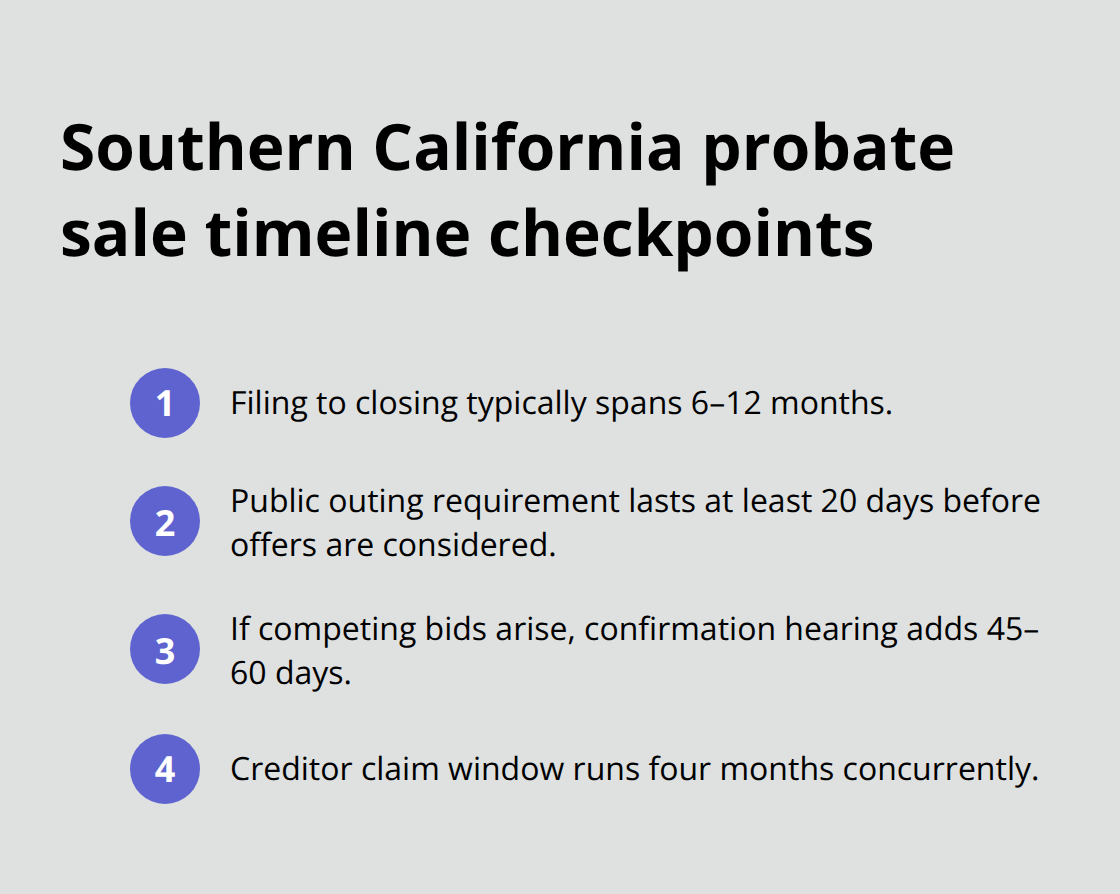
A four-month creditor claim window runs concurrently, preventing final closing until all creditor claims expire. This hard deadline means you cannot distribute funds to heirs until creditors have had their opportunity to file claims, which locks up estate cash flow for months.
Heir Disputes and Title Clarity
Disagreements over sale strategy often mask deeper conflicts about the estate itself. One heir may worry the property will sell below market value, another may have sentimental attachment, and a third may depend on the sale proceeds for their inheritance. These tensions surface as formal objections filed with the court, which must be answered and potentially litigated. Unclear or incomplete documentation about the decedent’s debts, tax obligations, or prior claims against the property compounds the problem. Title companies demand full clarity before issuing a policy, and unclear ownership or unresolved liabilities can kill a deal entirely. Probate referee appraisals, required by California law, sometimes undervalue properties relative to current market conditions, creating legitimate frustration among heirs who believe the estate is being undersold. This gap between appraisal value and market reality fuels disputes and court challenges that extend timelines by months.
These obstacles demand coordination between legal compliance and real estate strategy-a challenge that most families face alone.
Why Probate Sales Need Both Legal and Real Estate Knowledge
The Cost of Siloed Advisors
Probate sales fail or drag on because most advisors operate in silos. Your probate attorney handles court filings and creditor claims but rarely communicates with the real estate agent about market timing or title readiness. Your real estate agent markets the property aggressively but doesn’t coordinate with court deadlines or understand how probate referee appraisals affect pricing strategy. This separation creates expensive delays. A property sits on the market for 90 days waiting for court approval paperwork to reach the title company. The appraiser values the home at $480,000, but comparable sales show $520,000 is realistic-yet the attorney hasn’t informed the agent of this gap, so the listing price stays low and qualified buyers skip it.
How Miscommunication Extends Timelines
When competing bids finally arrive, the court confirmation hearing gets scheduled for 8 weeks out because the attorney and agent never coordinated their calendars with the court clerk. These gaps aren’t minor inconveniences. For a $500,000 property, every month of delay costs roughly $2,000–$3,000 in carrying costs, property taxes, insurance, and maintenance. A six-month delay instead of a four-month close adds $4,000–$6,000 in direct costs alone, not counting the opportunity cost of capital locked in the estate or the emotional toll on heirs waiting for their inheritance.
Integrated Legal and Real Estate Coordination
Dual licensure as an attorney and real estate professional eliminates this coordination problem entirely. Ms. Desai’s real estate credentials mean she understands market conditions, comparable sales analysis, and title readiness in real time, not weeks after a listing hits the market. When the probate referee appraisal comes in low, she can immediately advise on whether the appraisal reflects true market value or whether a supplemental market analysis justifies a higher opening price-and she communicates that decision to the court filing before marketing begins, not after.
Streamlined Title Work and Closing Coordination
She coordinates the 20-day outing period with actual buyer interest and market momentum rather than treating it as a legal box to check. When a competing bid arrives, she works backward from the court confirmation hearing date to ensure all title work, creditor claim windows, and legal filings align with realistic closing timelines. This integrated approach cuts communication delays by weeks and prevents the costly missteps that emerge when attorneys and agents work independently. Title companies close faster because the attorney-agent handles deed preparation and title coordination in-house, eliminating handoff delays between separate firms.
Clearer Communication with Heirs
Heirs receive clearer explanations of why certain decisions serve the estate’s financial interest, reducing disputes born from miscommunication. Fewer court delays, more competitive bidding, and a closing that happens on schedule rather than months late become the norm when legal and real estate strategy align from the start. This coordination matters most when tax implications and financial decisions intersect with market timing-a reality that shapes how much heirs actually receive from the sale.
Tax and Financial Implications of Probate Real Estate Transactions
The Step-Up in Basis Advantage
Probate real estate sales trigger tax consequences that most heirs don’t anticipate until closing day arrives. California law provides significant tax advantages unavailable in standard property sales, but only if you understand them and plan accordingly. The step-up in basis rule means heirs inherit property valued at its fair market value on the date of death, not the price the deceased paid decades earlier. If your parent bought a home in 1985 for $150,000 and it’s now worth $850,000, your inherited basis resets to $850,000. This matters enormously because capital gains tax applies only to appreciation after death. If you sell immediately after inheriting, you owe zero federal capital gains tax on that $700,000 gain.
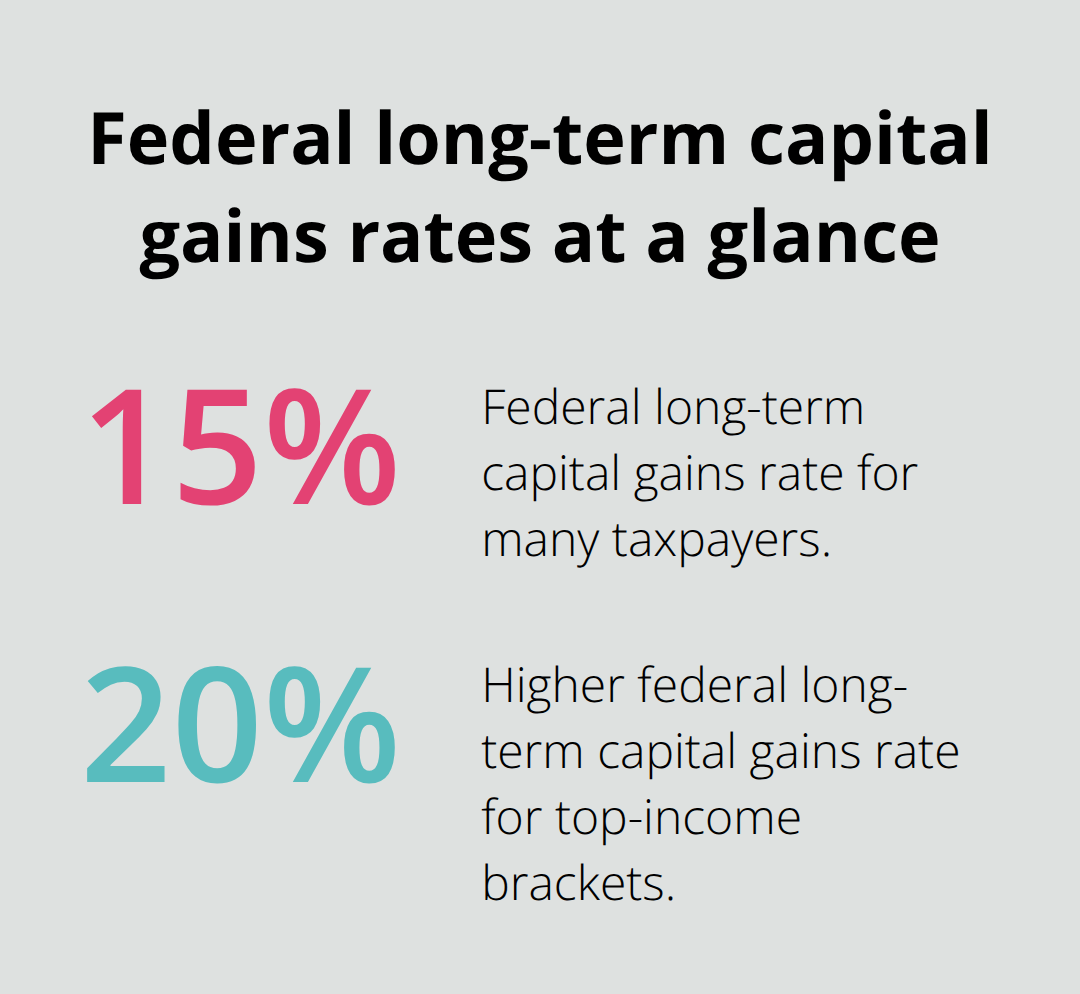
Wait six months and sell for $875,000, and you’ll owe capital gains tax only on the $25,000 increase from the stepped-up basis date. The IRS taxes long-term capital gains at 15% or 20% depending on income, meaning that $25,000 gain costs roughly $3,750–$5,000 in federal tax. For a $500,000 property, delaying the sale by months to chase higher prices can backfire financially if appreciation exceeds the stepped-up basis advantage. California adds state capital gains tax of 13.3% on gains over $1 million, which compounds federal liability for high-value estates.
Timing the Sale to Maximize Tax Benefits
Sale timing directly impacts your tax liability. Coordinate with a CPA to calculate whether selling quickly captures the step-up benefit or whether waiting for market appreciation creates tax exposure that outweighs potential proceeds. The probate timeline (typically 6–12 months from filing to closing) often aligns naturally with this decision, but market conditions and heir preferences may push you toward a faster or slower close. Understanding this tradeoff prevents costly mistakes where heirs chase higher sale prices only to face unexpected capital gains liability that reduces their net inheritance.
Deductible Estate Administration Costs
Estate administration costs and probate fees reduce what heirs actually receive, and many of these costs are deductible against the estate’s taxable income, lowering the final tax bill. Probate court filing fees in California range from $300 to $1,000 depending on estate size. Attorney fees typically run $2,500–$5,000 for straightforward probate or significantly higher for contested estates. Publication costs for creditor notices run $500–$1,500.
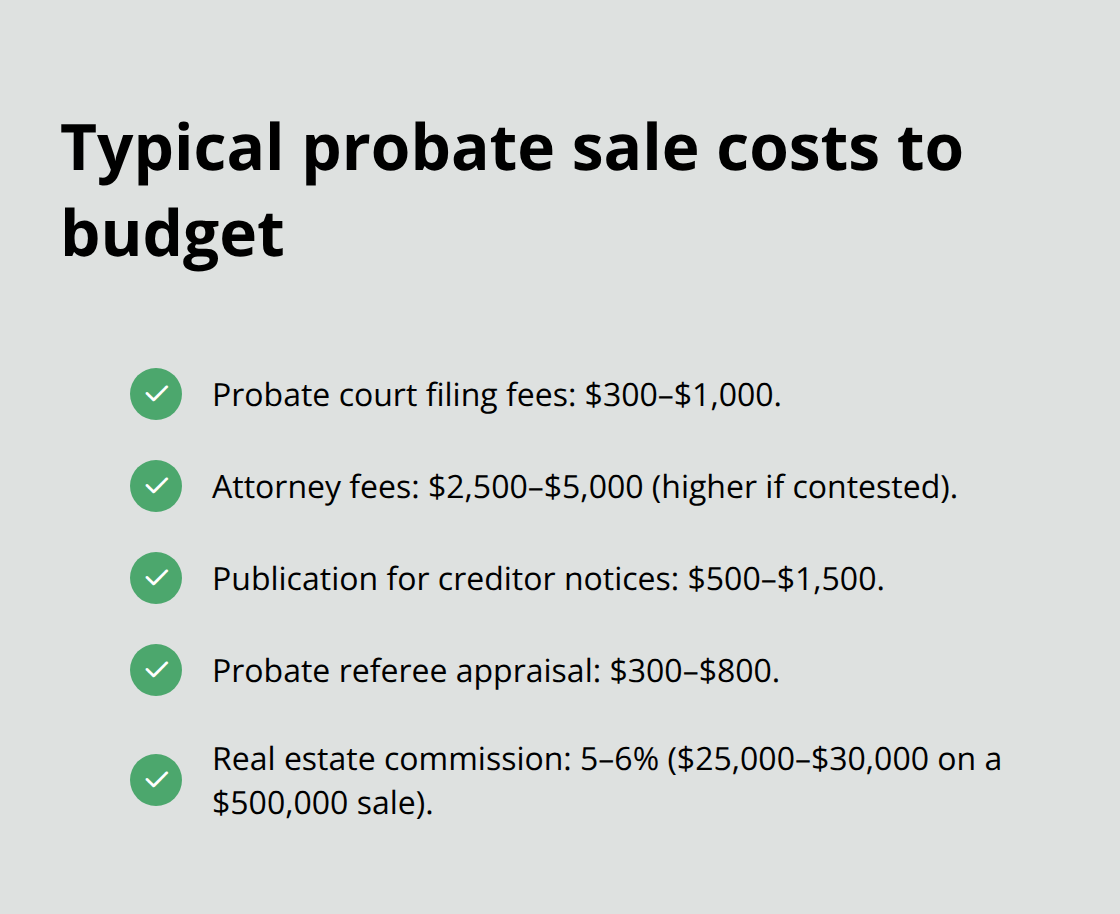
Probate referee appraisals cost $300–$800 per property. Real estate commission on the sale itself runs 5–6% of sale price, meaning $25,000–$30,000 on a $500,000 home.
Federal and State Estate Tax Considerations
The federal estate tax applies only to estates exceeding $13.61 million in 2024 according to IRS guidelines, so most Southern California families avoid federal estate tax entirely. California has no state-level estate tax, which simplifies planning significantly. The key is ensuring your executor or administrator documents every deductible expense carefully and reserves sufficient funds before distributing proceeds to heirs. Many estates close with incomplete accounting of administration costs, leaving heirs to discover tax liabilities later. A CPA working alongside your probate attorney from the start of administration prevents this costly mistake (tracking deductible expenses monthly and coordinating the final estate tax return before any distributions occur).
Final Thoughts
SoCal probate real estate transactions demand coordinated strategy that combines legal compliance with real estate market knowledge. Title delays, court timelines, competing heir claims, and tax implications intersect in ways that require unified guidance rather than fragmented advice from separate advisors. Most families navigate these challenges without professional coordination, resulting in extended timelines, higher costs, and unnecessary family conflict that could have been prevented.
We at Law Offices of Roshni T. Desai integrate legal and real estate strategy to simplify probate property sales. Ms. Desai’s dual licensure as an attorney and real estate professional means your sale receives unified coordination-when the probate referee appraisal arrives, she evaluates it against current market conditions and communicates pricing strategy to the court before marketing begins; when competing bids surface, she coordinates title work and closing timelines backward from the confirmation hearing date. This integrated approach cuts months from typical probate timelines and prevents the costly miscommunications that plague most sales, saving $4,000–$6,000 in carrying costs alone on a $500,000 property.
If you’re managing probate real estate in Southern California, start with a conversation about your specific situation. We at Law Offices of Roshni T. Desai offer free consultations with flexible home or office visits to discuss your options and develop a strategy tailored to your family’s needs.