




In Home Trust Planning: Seamless Steps to Protect Family Assets
Without a proper trust plan, your family’s assets face unnecessary delays, taxes, and public exposure during transfer. We at Law Offices of Roshni T. Desai help families protect what matters most through in-home trust planning.
This guide walks you through the essential steps to build a trust strategy that keeps your assets private and your family secure.
Why In-Home Trust Planning Matters for Your Family
Probate Drains Your Estate’s Value
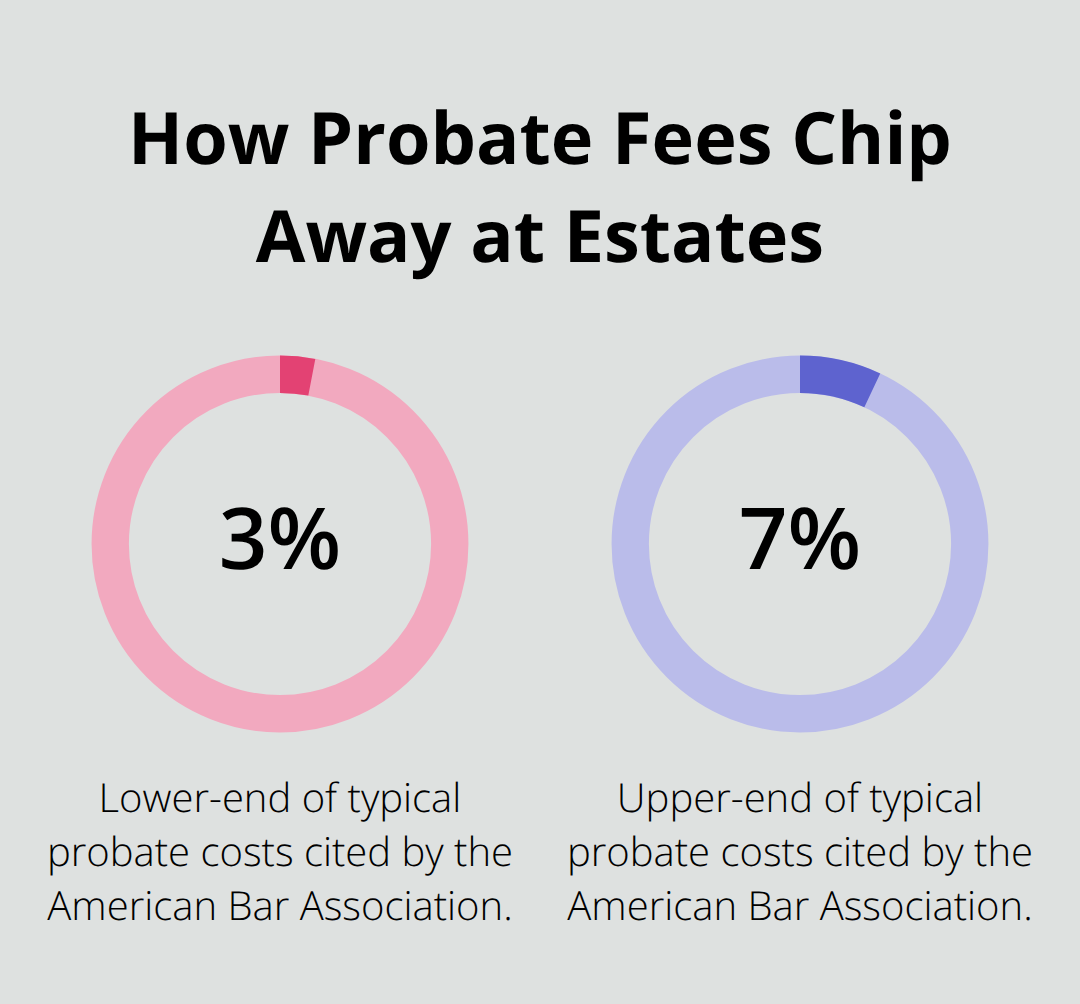
Probate is expensive and slow. According to the American Bar Association, probate takes months or even years to complete, and court costs plus attorney fees typically consume 3 to 7 percent of your estate’s value. If your home and other assets sit outside a trust, your family waits while judges and lawyers process paperwork.
A revocable living trust bypasses this entirely-assets transfer to your beneficiaries within weeks rather than dragging through the court system. Your family should inherit your home and assets, not pay the government to hand them over.
Court Delays Freeze Your Family’s Access to Funds
When your estate enters probate, everything stops. Your spouse cannot sell the family home without court approval. Your adult children cannot access funds to cover funeral expenses or immediate needs. The probate process involves multiple court appearances, publishing notices in newspapers, waiting periods between hearings, and formal accounting to the court. Revocable trusts eliminate these delays because assets held in the trust are not part of your probate estate. Your successor trustee distributes property and funds to beneficiaries immediately after your death, without court involvement or public disclosure of your financial details.
Privacy Protects Your Family’s Financial Information
Trust documents remain private, while wills and probate records become public court documents that anyone can access. This privacy matters when your family faces grief and transition. Keeping your financial details out of public records protects your beneficiaries from unwanted solicitation and shields sensitive information about your wealth and family structure from public view.
Irrevocable Trusts Shield Assets from Creditors
Revocable living trusts offer probate avoidance and incapacity planning, but they do not shield assets from creditors during your lifetime. Irrevocable trusts work differently. Once you transfer assets into an irrevocable trust, they legally belong to the trust, not to you. This separation means creditors pursuing you personally cannot reach those assets. If a lawsuit targets your family after your death, beneficiaries receive distributions through the trust’s protective framework rather than as direct personal inheritance.
Spendthrift Provisions Protect Beneficiaries
Spendthrift clauses built into the trust prevent beneficiaries from voluntarily giving away or losing their inheritance to creditors, poor financial decisions, or divorcing spouses. This structure proves particularly valuable for business owners, professionals in high-liability fields, and families with significant wealth. The American Bar Association confirms that irrevocable trusts provide creditor protection that revocable trusts cannot match, making them the right choice when asset protection is your priority. Understanding which trust type fits your situation sets the foundation for the next critical decision: selecting the right trustee and beneficiaries to carry out your wishes.
Key Components of an Effective Trust Plan
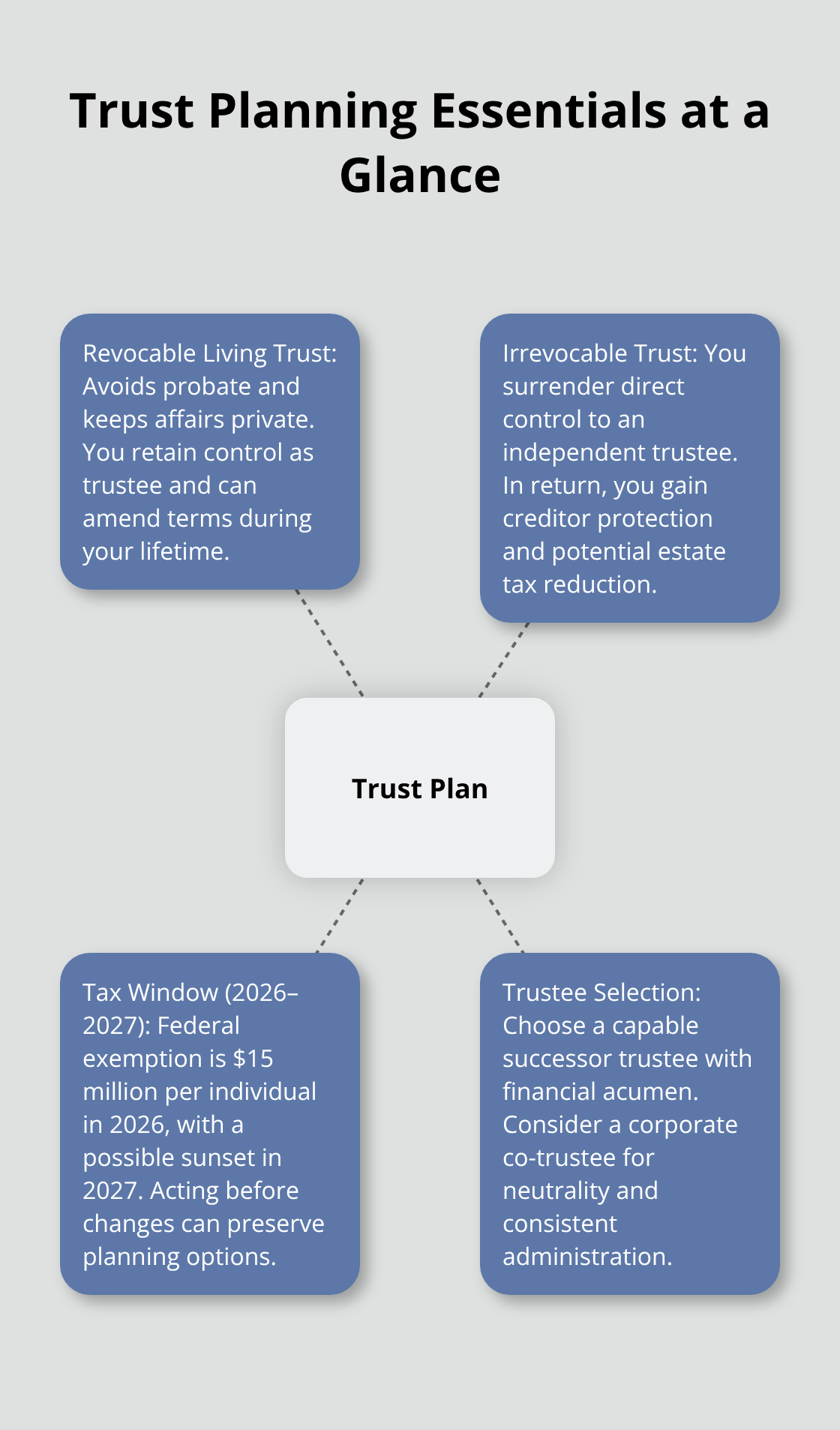
Choosing between a revocable living trust and an irrevocable trust shapes everything that follows in your plan. The American Bar Association notes that revocable trusts let you remain the trustee during your lifetime, maintain full control over assets, and change terms as circumstances shift. Revocable trusts avoid probate while keeping your affairs private. However, revocable trusts do not protect assets from creditors or reduce estate taxes.
Irrevocable trusts operate on the opposite principle. Once you fund them, you cannot modify or revoke them, and you surrender direct control to an independent trustee. This trade-off delivers powerful creditor protection and potential estate tax reduction by removing assets from your taxable estate. The federal lifetime exemption sits at $15 million per individual in 2026 according to the One Big Beautiful Bill Act, but that exemption expires in 2027 unless extended.
If your estate approaches or exceeds $15 million, an irrevocable trust becomes a strategic tool rather than an optional one. For most homeowners with moderate estates, a revocable living trust handles probate avoidance and incapacity planning without unnecessary complexity. Families with blended situations, significant wealth, or business assets benefit from irrevocable structures that provide lasting protection.
Who Should Manage Your Trust
Your successor trustee makes decisions about your home, investments, and distributions after your death or incapacity. This person or entity must understand financial management, follow your written instructions precisely, and communicate with beneficiaries transparently. Many families appoint a well-meaning adult child as trustee without considering whether that person has the financial acumen or emotional distance to handle family conflict fairly.
Corporate trustees, including banks and professional trust companies, bring liability insurance, neutral judgment, and no personal relationships clouding their decisions. The American Bar Association confirms that corporate trustees reduce potential family disputes and provide consistent administration. A hybrid approach works well: name a trusted family member alongside a corporate co-trustee, giving your family involvement while ensuring professional oversight.
Powers and Responsibilities of Your Trustee
For rental properties or business interests held in the trust, your trustee must understand tax implications and operational decisions. Your trust document should clarify exactly what powers your trustee holds-whether they can sell property, refinance loans, or hire professional advisors at trust expense. Beneficiaries should know who the trustee is and where to find trust documents before a crisis occurs.
Transferring Your Home Into the Trust
Your home transfers into the trust through a deed that changes the title from your personal name to the trust’s name. This process avoids probate for your primary residence and any investment properties you own. AARP notes that creating a living trust typically costs around $1,500 with an attorney, which is substantially less than probate costs that consume 3 to 7 percent of your estate.
When you transfer a home into a revocable trust, you retain the step-up in basis at death, meaning your beneficiaries inherit at the current market value with no capital gains tax exposure if they sell immediately. After transferring your home, update related documents such as homeowner’s insurance and HOA documents to reflect the trust’s ownership.
Protecting Rental Properties and Business Interests
For rental properties, place the property in an LLC first, then transfer the LLC membership interests to your trust. This structure maintains liability protection while ensuring the property passes according to your wishes. Business interests demand equally precise language in your trust document.
Your trust should specify whether the business transfers to a successor who can operate it, gets sold, or dissolves. If you own investment accounts, update the titling so the trust is the account owner, not a beneficiary designation. Beneficiary designations on life insurance and retirement accounts override trust language, so coordinate these carefully with your overall plan. Addressing these details now prevents confusion and conflict later, setting the stage for the final critical step: identifying and avoiding the mistakes that derail many trust plans.
Common Mistakes to Avoid When Setting Up Your Trust
Unfunded Trusts Leave Assets in Probate
The gap between creating a trust and properly funding it destroys more estate plans than any other single mistake. You can have a beautifully drafted trust document sitting in a drawer while your home, bank accounts, and investment portfolio remain titled in your personal name. When you pass away, those unfunded assets bypass the trust entirely and land in probate court anyway, negating every benefit you paid an attorney to set up.
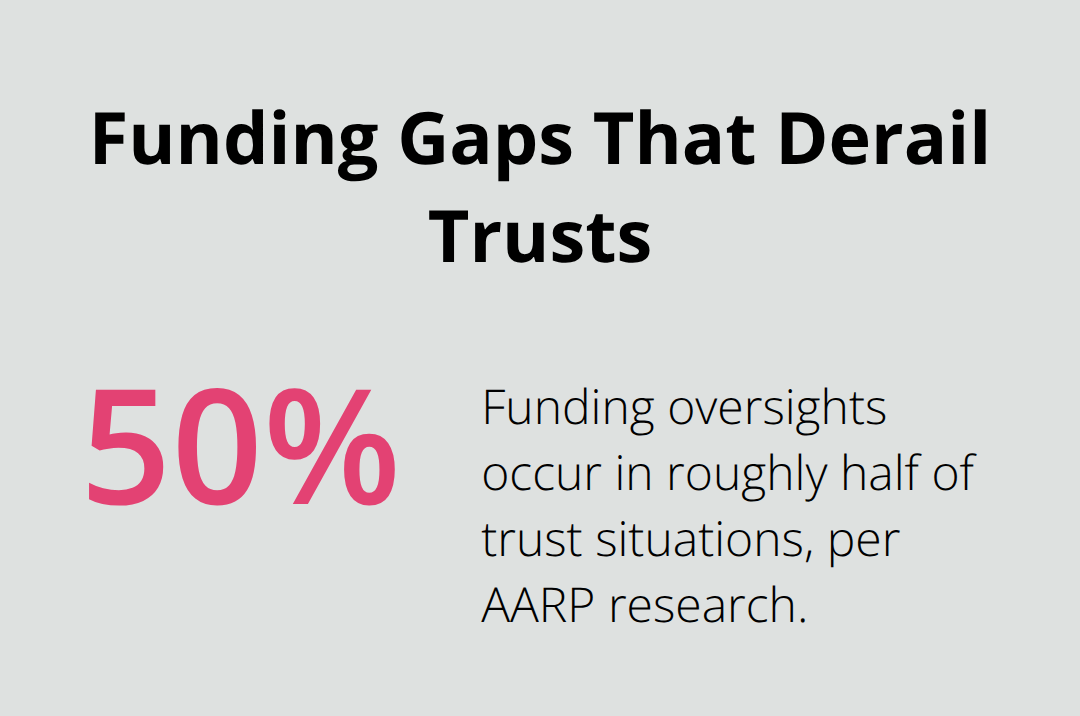
AARP research shows that funding oversights happen in roughly 50 percent of trust situations, turning a sound plan into an expensive paperwork exercise. Your successor trustee cannot transfer assets that were never retitled to the trust, and your family faces the exact delays and court costs you were trying to avoid.
Taking Action to Fund Your Trust Properly
After your trust is drafted, you must transfer your home’s deed into the trust, retitle investment and bank accounts in the trust’s name, and update beneficiary designations on life insurance and retirement accounts to name the trust as beneficiary where appropriate. Some accounts like IRAs and 401(k)s should not go into the trust because they have their own beneficiary designation rules that supersede trust language, but you still need to coordinate these with your overall plan so distributions flow where you intend.
This coordination step separates a working trust from a failed one. Many people sign trust documents and assume the work is complete, only to discover years later that their assets never actually transferred into the trust’s ownership.
Beneficiary Designations Override Your Trust Instructions
Life insurance policies, retirement accounts, and transfer-on-death accounts pass directly to whoever you named as beneficiary, completely ignoring your trust instructions. If you named your ex-spouse as beneficiary on a $500,000 life insurance policy five years ago and never updated it after remarrying, your current spouse and children receive nothing from that policy regardless of what your trust says.
The American Bar Association confirms that beneficiary designations override trust language every single time, making them the highest priority for coordination with your estate plan. Review these designations after major life events like marriage, divorce, birth of children, or significant wealth changes. This simple step prevents thousands of dollars from flowing to unintended recipients.
Tax Planning Cannot Wait Until 2027
The federal estate tax exemption of $15 million per individual in 2026 sunsets in 2027 unless Congress extends it, potentially dropping to $7 million and triggering substantial taxes for estates that currently feel safe. An irrevocable trust established now can remove assets from your taxable estate while exemptions remain high, but waiting until 2027 or later means missing this opportunity entirely.
This window closes fast. Families with significant wealth should act now rather than hope for legislative changes that may never happen. The cost of establishing an irrevocable trust pales in comparison to the estate taxes that hit if you wait too long.
Schedule a Trust Review Appointment
Your trust needs verification that it is properly funded, beneficiary designations align with your wishes, and your tax strategy reflects current law rather than assumptions from five or ten years ago. Life changes, tax laws shift, and what worked perfectly in 2015 may create problems today.
Final Thoughts
A solid in-home trust planning strategy protects your family from probate delays, shields assets from creditors, and keeps your financial details private. The steps outlined in this guide-choosing the right trust structure, naming a capable trustee, transferring assets properly, and coordinating beneficiary designations-form the foundation of a plan that actually works when your family needs it most. The window for tax planning closes in 2027 when federal exemptions potentially drop, so acting now while exemptions remain at $15 million per individual gives you options that waiting simply does not provide.
We at Law Offices of Roshni T. Desai help Southern California families build estate plans that stand up to real-world challenges. Our personalized approach covers wills, living and irrevocable trusts, powers of attorney, trust and probate administration, elder law, and small business succession. Ms. Desai’s dual licensure as both an attorney and real estate professional streamlines estate-related property sales and transactions, reducing costs, delays, and communication hassles that typically bog down the process.
Schedule a free consultation with Law Offices of Roshni T. Desai to review your current situation and identify gaps in your plan. We offer flexible home or office visits across Southern California, making it easy to discuss your family’s specific needs without unnecessary travel or formality. Your family’s security is worth the conversation.